- UL 2272
Micromobility, Major Problems — Addressing Safety Challenges in the Clean Energy Transition
Electric mobility (also known as personal e-mobility) devices such as e-scooters, hoverboards, and e-bikes represent new modes of transportation that rely on lithium-ion battery technology. High demands on the electrical systems of these devices present safety concerns, such as thermal runaway, which are addressed by UL 2272, the Standard for Electrical Systems for Personal E-Mobility Devices.
Abstract
Electric mobility (e-mobility) devices such as e-scooters, hoverboards, and e-bikes have an important role in reducing greenhouse gas emissions and supporting the energy transition to include more decarbonized transportation options. However, many e-mobility devices in production today are powered by lithium-ion batteries (LIBs), which can present a risk of electrical shock or thermal runaway due to the demanding conditions they experience during everyday use. In response to a growing number of fire incidents associated with LIBs in personal e-mobility devices, UL Standards & Engagement published UL 2272, the Standard for Electrical Systems for Personal E-Mobility Devices, in November 2016. This binational standard provides construction, performance, and safety testing requirements that help ensure personal e-mobility electrical system components can maintain safe functioning during use, without presenting a risk of explosion, fire, rupture of battery, electrolyte leakage, or electric shock hazard. These requirements include various electrical, mechanical, and environmental tests that simulate conditions encountered in typical operating settings. In March 2023, Initiative 663-A was signed into law in New York City, requiring e-mobility devices sold, rented, or leased within the city to be certified to three UL safety standards, including UL 2272 for personal e-mobility devices. Other cities are following New York City’s lead and are currently considering how local laws might require UL safety standards to prevent LIB fires while making it safer for residents to use e-mobility devices.
Learning Objectives
- Understand the transportation sector’s contribution to greenhouse gas emissions and how transport innovations are supporting decarbonization efforts.
- Apply knowledge of personal e-mobility options to evaluate personal transportation choices.
- Identify how the phenomenon of thermal runaway in lithium-ion batteries is a safety hazard and a barrier to the personal e-mobility industry and its potential for reducing greenhouse gas emissions.
- Analyze how safety standards technical committees apply systems thinking to address complex safety problems.
- Evaluate the role of safety standards in supporting the safety of local communities and in supporting global safety via the United Nations’ Sustainable Development Goals.


Real world context
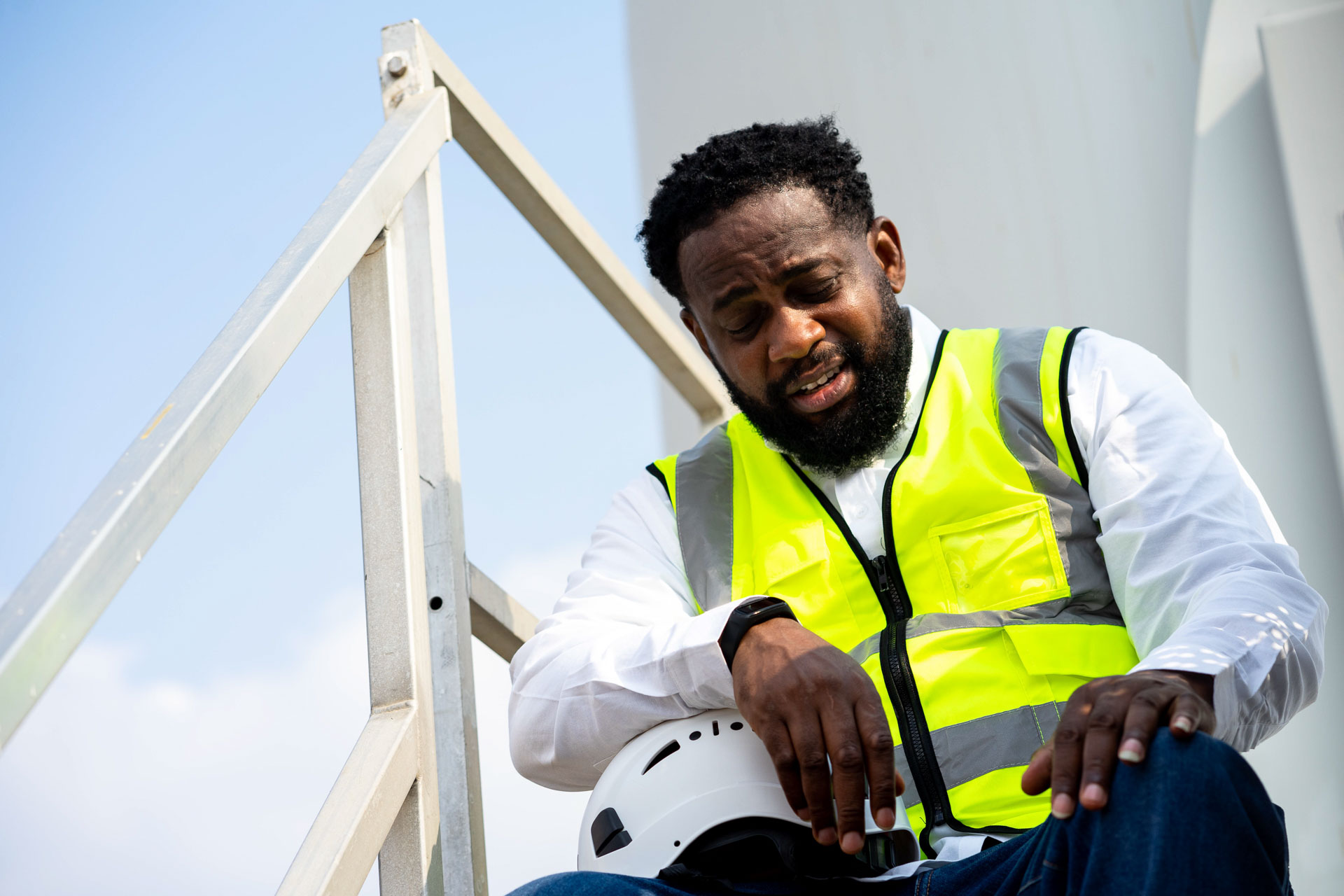
Summer 2024 was the hottest season on record with nearly half the world’s population exposed to dangerously high temperatures attributed to increasing atmospheric carbon dioxide concentrations that have led to climate change.
But there are risks
Personal e-mobility devices (e.g., e-scooters, hoverboards) that are powered by electricity rather than fossil fuels have a role in reducing carbon dioxide concentrations. However, many e-mobility devices run on lithium-ion batteries (LIBs), which can present a risk of thermal runaway.

For example
LIBs have rapidly become a leading cause of fatal fires, particularly in urban areas. In 2023, the batteries started 268 fires that killed 18 people and injured 150 others in New York City.


E-mobility devices can help lower carbon dioxide emissions and the negative impacts of climate change, but how can the risk of thermal runaway be reduced?
Background
A shift in energy
How has climate change affected you? An increasing number of the world’s population now has an answer to that question as a growing body of evidence indicates climate change is disrupting human life on a global scale. Scientists are increasingly able to attribute events like heat waves, wildfires, and hurricanes to human actions that have altered average climate conditions. In fact, at least 85% of the global population has experienced weather events made worse by climate change.1 The extent of this impact is reflected in the 2024 United Nations Peoples’ Climate Vote, 2 where 53% of people are more worried about climate change now than they were a year ago and 72% of those surveyed indicated a desire for their country to quickly decrease use of fossil fuels in favor of clean energy.
Efforts toward an “energy transition” aim to shift energy generation and consumption away from fossil fuel-based sources (e.g., coal, oil, and gas) and toward renewable decarbonized sources (e.g., solar, wind, and geothermal power). Climate data tells us why this transition is necessary; carbon dioxide (CO2) concentrations in the atmosphere increased from approximately 280 parts per million by volume (ppmv) in pre-industrial times (i.e., pre-1750;3) to 419 ppmv in 2022, a 50% increase. 4 This significant increase and resulting imbalance in the global carbon cycle is known to be caused by human activities.3 In particular, the predominant source of anthropogenic CO2 emissions is fossil fuel combustion, which accounted for approximately 74.6% of CO2 emissions on average from 1990 to 2022 in the U.S. 5 Reducing CO2 and other greenhouse gas (GHG) emissions through mitigation strategies, such as decarbonization, and accelerating adaptation efforts may limit further warming and protect people from climate risks. 6
Transportation transition
Decarbonization refers to reducing or eliminating carbon emissions, with a particular focus on addressing the top sources of GHG emissions, such as the transportation sector. Transportation-related GHG emissions have increased faster than those of any other sector over the last 20 years.3 This sector is also considered the most challenging to decarbonize due to its heavy reliance on fossil fuels, with 70% of transport emissions coming from road vehicles. 7 The urgency to reduce GHG emissions lies in the impact rising levels are having on global temperatures. To avert the worst impacts of climate change, global temperature increase must be limited to no more than 1.5°C. 8 To achieve this goal, climate models predict emissions need to be reduced by an estimated 45% of 2010 levels by 2030 and reach net-zero carbon emissions by 2050.9 Considering its current CO2 emissions, the transportation sector will need to play a significant role in efforts to reach this goal. It is predicted 7 that this transition will be strongly dependent on a specific decarbonization strategy known as electrification, where technologies that currently run on fossil fuels are switched over to run on electricity, such as in electric vehicles (EVs).
Today, EVs are now an integral part of the transportation sector’s climate mitigation toolbox. While EVs are not perfect and come with their own safety concerns, there are also other transportation solutions to consider. In addition to EVs, personal electronic mobility devices such as e-scooters, e-skateboards, and e-bikes have also grown in popularity, especially in urban locations. These modes of transportation are characterized by their “micro” attributes such as lower energy requirements, decreased environmental impact, and smaller space needs relative to traditional automobiles. 10 Due to their many positive qualities, personal e-mobility devices are important transportation options that can support GHG emission reduction and movement toward achieving net-zero carbon emissions.
Question
Consider a typical day and the ways in which you currently get around. What are your current modes of transportation? How easy or difficult would it be to switch to personal e-mobility transport and still maintain your day-to-day transportation needs?
Problem
Entering the 2015 holiday season, the most coveted toy was one particular personal e-mobility device: the hands-free scooter, better known as the “hoverboard.” Despite its popularity, a rising number of fire incidents caused by the self-balancing scooters prompted growing concern with the U.S. Consumer Product Safety Commission (CPSC). According to CPSC, there were 52 reported fires caused by hoverboards between December 2015 and February 2016, resulting in more than $2 million USD of property damage. 11
Like many personal e-mobility devices on the market today, hoverboards contain an electrical system powered by lithium-ion batteries. LIB use has grown in various technologies (e.g., cellphones, laptops, energy storage systems, electric vehicles) due to their high energy storage density compared to other types of batteries. However, battery safety is determined by battery chemistry, and for LIBs, any change to the battery that could disrupt its internal electrochemical reactions might cause the battery to fail. 12 Accidents and normal wear and tear can all lead to mechanical (e.g., compression, puncture); electrical (e.g., overcharge/discharge, short circuit); and thermal (e.g., heating) changes in a LIB, resulting in battery failure and an increased risk of fire hazards.
Question
What forms of mechanical, electrical, or thermal changes might happen during normal everyday use of a hoverboard or other type of personal e-mobility device?
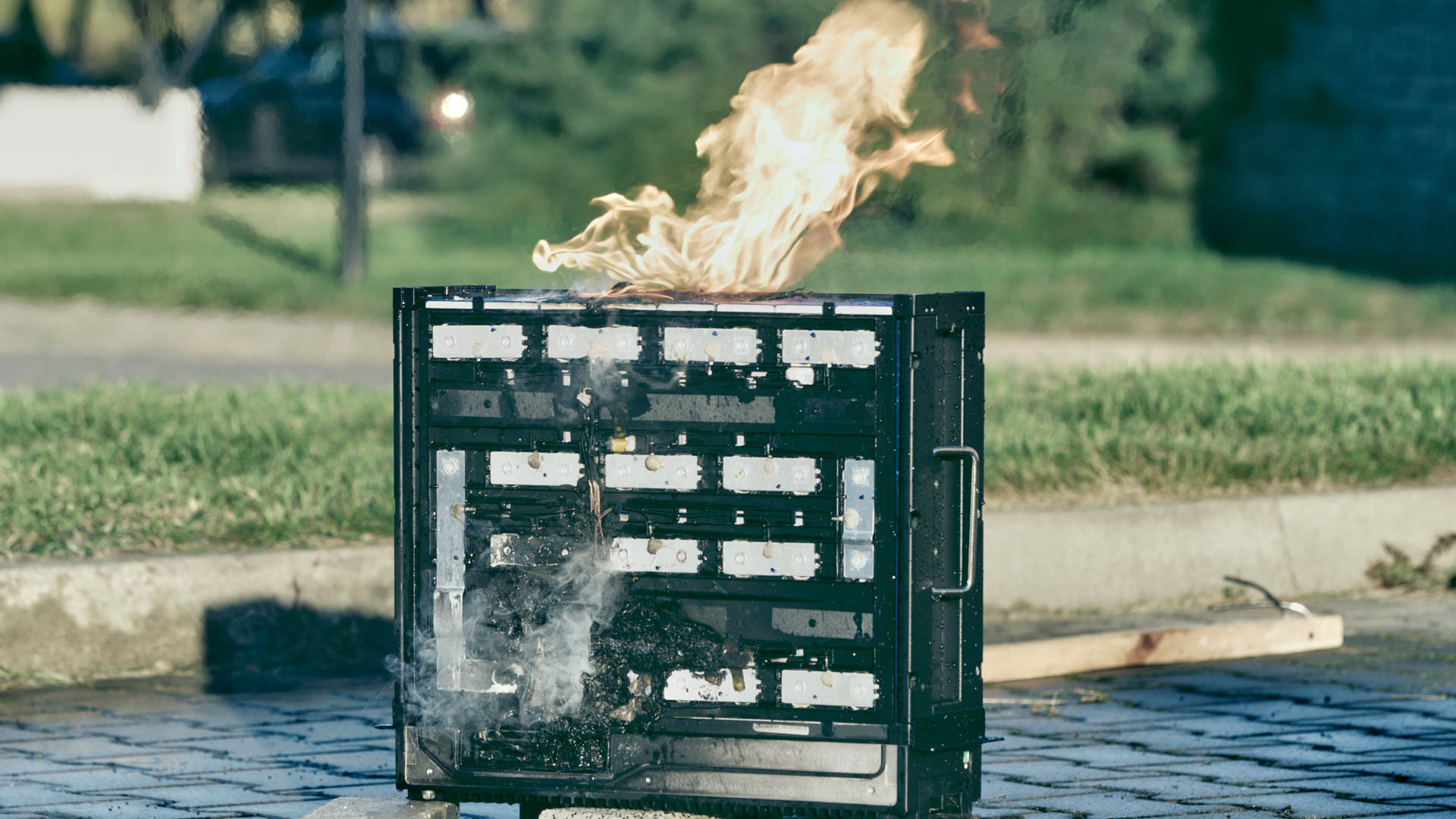
Electric bikes, scooters, and hoverboards are exposed to demanding conditions such as vibration, water exposure, or mechanical shock from bumps, drops, or falls during use. These can all increase the risk of damage to the LIBs that power these devices. Damaged LIBs have the potential to enter thermal runaway, an uncontrollable self-heating state that can lead to smoke, fire, toxic off-gassing, or explosion. 12 An additional challenge is that LIB fires burn hotter and faster and need far greater quantities of water or the use of other specialized firefighting techniques to extinguish compared to other types of fires. 13
While thermal runaway is the main problem associated with using LIBs in personal e-mobility devices, there are also social and behavioral challenges. Personal e-mobility devices offer an urban mobility solution for growing cities, a trend described in a UL Standards & Engagement report 14 that found 54% of e-mobility owners purchased e-bikes or e-scooters for work and 72% have used them for delivery work in the past year. Nearly half of riders (45%) live in urban areas and 39% are considered low income.
The ULSE study 14 further noted that nearly 50% of e-mobility owners are unaware their device is powered by a LIB, and therefore, are also unaware of the risks associated with devices powered by LIBs. This leads to behaviors (e.g., charging e-mobility devices inside the home, charging with a mismatched cord/transformer, charging in unsafe places such as in front of fire exits, and replacing batteries with mismatched or damaged batteries) that can exacerbate the potential fire risk.
Approach
A sense of urgency
UL has a history of evaluating battery safety dating back to the 1970s.15 Using this experience, UL researchers and engineers drafted an outline of investigation to address self-balancing scooter fire and electric shock concerns making headlines. After an internal review, this draft was published in January 2016 as a non-consensus document known as UL 2272, the Outline of Investigation for Electrical Systems for Self-Balancing Scooters.
Soon after, CPSC issued a notice in February 2016 to manufacturers, importers, and retailers of hoverboards stating it “considers self-balancing scooters that do not meet [UL 2272] to be defective,” and that CPSC could seek a recall of such products or detain and seize noncompliant products being imported. 11 This announcement created a sense of urgency, particularly for manufacturers and retailers eager to maintain sales. In response, ULSE convened TC 2272, the Technical Committee for Electrical Systems for Personal E-Mobility Devices, and the outline of investigation was put through the consensus process.
Coming to consensus
Members of TC 2272 included representatives of government, testing and standards organizations, e-mobility producers and consumers (e.g., Hyundai Motors), the supply chain (e.g., Best Buy, LG), and general interest members. During the initial TC meeting in March 2016, a member from CPSC presented data collected between January 2015 and February 2016 from various national injury databases. This data contained incidents of falls, other physical injuries, and fires. The fire incidents occurred during charging, after use, and when the self-balancing scooter was not in use or charging. It was discussed that the proposed UL 2272 standard would deal with the electric shock and fire hazards associated with the electric drive train system but would not address the mechanical and physical properties of the scooter associated with fall hazards.
Panel members also considered whether UL 2271, the Standard for Batteries for Use in Light Electric Vehicles (LEV) Applications, could be used instead of developing a new standard because many of the tests being considered for UL 2272 were either adapted or taken directly from UL 2271. However, since the charger, motor, and other electrical components are contained within a system, it was determined that a systemwide approach to the electrical safety of e-mobility devices warranted development of a new standard. Therefore, the panel decided to develop a separate standard to cover the electrical drive train system for electric-powered, self-balancing scooters.
This meeting was the preliminary review for the document, which led to publication in April 2016 of the second issue of UL 2272, the Outline of Investigation for Electrical Systems for Self-Balancing Scooters, with revisions to some of the tests that would be considered necessary for e-scooters to be UL certified. This second outline of investigation would serve as the base document for developing the first edition of the UL 2272 standard, which then went to balloting and commenting stages for the next 60 days.
During this time, members of TC 2272 addressed concerns on not limiting the scope of the standard to only self-balancing scooters, such as hoverboards, since many other personal e-mobility devices were also powered by LIBs and therefore were prone to the same kind of electrical and fire safety hazards. In addition to addressing other technical comments, this led to updating the title to the “Standard for Electrical Systems for Personal E-Mobility Devices” and sending the proposed first edition out for recirculation and another round of commenting in July 2016. During recirculation, the TC members also voted on whether the proposed standard should be recognized in both the U.S. and Canada by the American National Standards Institute and the Standards Council of Canada, respectively. While most standards take one to two years to reach consensus and go to publication, TC 2272 approved the first edition in less than a year and was published in November 2016 as a binational standard in both the U.S. and Canada.
Question
Systems thinking expands the range of choices available to solve a problem by broadening our thinking and helping us see problems in new and different ways by considering the parts, the whole, and the relationships across a system. How did the UL 2272 technical committee engage in systems thinking?
Solution
In the lab
UL standards reduce the risk of lithium-ion battery fires in personal e-mobility devices by ensuring products can function according to the safety requirements that are described in UL 2272, the Standard for Electrical Systems for Personal E-Mobility Devices. In contrast to standards that are focused on LIBs alone, UL 2272 takes a systemwide approach to the electrical safety of e-mobility devices. This means that a UL 2272 certified personal e-mobility device has been subjected to a series of electrical, mechanical, environmental, motor, and material tests that simulate conditions that could be encountered in real-world use of the device. For a device to comply with UL 2272, the tests cannot result in explosion, fire, battery rupture, electrolyte leakage, or electric shock.

In the community
Standards are voluntary but can become mandatory and legally binding if they are adopted into code, written into law, or required by a government agency. This has been true for UL 2272 since its earliest version when the CPSC 2016 letter 11 required compliance with the initial outline of what would become this standard. While it usually takes many years to see the impact of a published standard, UL 2272 moved through the standards consensus process quickly due to the urgent nature of the effects of noncompliance and has also led to other communitywide impacts. For instance, another CPSC letter sent in December 2022 16 again called on manufacturers of e-scooters and hoverboards to comply with the voluntary standard, UL 2272. The letter went on to require compliance with not only ANSI/CAN/UL 2272 but also ANSI/CAN/UL 2849, the Standard for Safety for Electrical Systems for E-Bikes, to prevent possible enforcement action. E-bikes are also powered by LIBs and pose the same risk to consumers of exposure to fire, thermal runaway, and possible injury or death.
In New York City, LIBs were responsible for 268 fires in 2023, resulting in 150 injuries and 18 deaths. 17 In response, NYC Mayor Eric Adams signed into law Initiative 663-A, which required any personal e-mobility device sold, leased, or distributed in NYC to be certified to the appropriate UL standard: UL 2272 for personal e-mobility devices, UL 2849 for e-bikes, or UL 2271 for light electric vehicle applications (e.g., golf carts, wheelchairs, lawnmowers). Initiative 663-A went into effect as Local Law 39 in September 2023, and since then, the NYC Department of Consumer and Worker Protection has conducted over 650 inspections and issued more than 275 violations to brick-and-mortar retailers and 25 violations to online retailers. 18 In addition, since the law took effect, the number of deaths per year from e-mobility devices started to fall for the first time since 2021. In 2024, NYC had six LIB-related deaths, compared to 18 in 2023 — a 67% decrease. 19 This action in NYC shows the important role safety standards have in keeping consumers safe. Other cities are now also considering how local guidelines and laws might similarly reference UL safety standards to prevent LIB fires while making it easier and safer for residents to use e-mobility devices.
Lithium-ion battery fires are not only a NYC problem. The prevalence of these fires has led to proposed legislation across the U.S. In 2025, Georgia and Illinois both passed legislation requiring that e-bikes and other e-mobility devices must meet safety standards to be manufactured, distributed, sold, or leased in-state. Federal lawmakers have also introduced legislation20 that would require safety standards for rechargeable LIBs used in micromobility devices, marking a major step toward reducing LIB fires at a national level.
Question
Do you agree with the actions taken in NYC to legally require that any company selling e-mobility devices can only sell devices certified to UL 2272? Why or why not?
Discussion Questions
In 2015, world leaders met at the United Nations and unanimously adopted “Transforming Our World: the 2030 Agenda for Sustainable Development.” 21 The agenda is made up of 17 Sustainable Development Goals (SDGs) that collectively describe priorities and aspirations for all countries in tackling global issues such as climate change, poverty, and environmental degradation in support of more peaceful, just, and inclusive societies.
- Compare the nature and work of a standards technical committee to the nature of how the SDGs were developed. What similarities and differences do you notice? What role do each of these committee gatherings have in keeping people safe?
- SDG Goal 11 is to “make cities and human settlements inclusive, safe, resilient and sustainable.” How do standards such as UL 2272 contribute to achieving SDG 11?
We have seen how, at a community level, NYC has signed into law Initiative 663-A, which specifically applies to manufacturers. Let’s consider what compliance should look like for everyday users of e-mobility devices.
- If you were a board member of the housing authority in a major city, what e-mobility-related policies would you develop to ensure your tenants are informed and can make choices that keep themselves and their neighbors safe?
- Local communities have an important role in supporting efforts to achieve the global SDGs. What infrastructure challenges might local communities face when trying to implement access to shared e-mobility devices, such as e-bike sharing stations?
A standard is a critical tool for ensuring global problems are addressed through iterative, collaborative problem-solving.
This is just a small recap, and you are encouraged to view the standard, in full, for free, by creating an account at ShopULStandards.com and using the Digital View feature.
How to get involved
Share your expertise
UL Standards & Engagement is actively seeking all interested parties to participate in its standards development process and encourages diverse perspectives to join in by participating as a stakeholder. Stakeholders can submit, review, and comment on proposals for new standards or revisions to existing standards. While stakeholders do not vote, the TC considers their input during the standards voting process. Since standards affect everyone, all are welcome to participate as stakeholders. Register online through ULSE’s Collaborative Standards Development System.
Advance your career
Check out current internship and fellowship openings for opportunities to engage with standards professionals and to contribute to standards research and innovation.
Glossary
- Adaptation
A response to climate change; actions taken to adjust to the current and future effects of climate change.
- Decarbonization
A mitigation strategy to reduce the amount of carbon in the atmosphere that includes efforts such as reducing the greenhouse gas emissions produced by fossil fuel combustion and absorbing carbon from the atmosphere by capturing emissions.
- Electrification
A decarbonization strategy to convert energy-consuming devices, systems, or sectors from non-electric sources of energy (i.e., fossil fuels) to electricity.
- Lithium-ion battery (LIB)
A rechargeable battery that stores energy by moving lithium ions between its anode and cathode electrodes.
- Mitigation
A response to climate change; actions taken to reduce greenhouse gas emissions and limit the amount of global warming.
- Net zero
A condition where there is a balance between the amount of greenhouse gases being released into the atmosphere and the amount removed from the atmosphere. Reaching this state is an internationally agreed upon goal for mitigating global warming.
- Personal e-mobility device
A consumer mobility device intended for a single rider with a rechargeable electric drive train that balances and propels the rider, and which may be provided with a handle for grasping while riding, but excludes motorized wheelchairs including mobility scooters for medical purposes. This device may or may not be self-balancing.
- Sustainable Development Goals
17 global goals adopted by world leaders in 2015 to end poverty, protect the planet, and ensure peace and prosperity for everyone by 2030.
- Thermal runaway
One of the primary risks related to lithium-ion batteries; a phenomenon in which the lithium-ion cell enters an uncontrollable, self-heating state. Thermal runaway can result in the following: ejection of gas, shrapnel and/or particulates (violent cell venting); extremely high temperatures; smoke; and fire.
References
- Callaghan, M., Schleussner, C.-F., Nath, S., Lejeune, Q., Knutson, T. R., Reichstein, M., Hansen, G., Theokritoff, E., Andrijevic, M., Brecha, R. J., Hegarty, M., Jones, C., Lee, K., Lucas, A., Maanen, N. van, Menke, I., Pfleiderer, P., Yesil, B., & Minx, J. C. (2021). Machine-learning-based evidence and attribution mapping of 100,000 climate impact studies. Nature Climate Change, 11, 966–972. https://doi.org/10.1038/s41558-021-01168-6
- United Nations Development Programme. (2024). Peoples’ climate vote 2024 results. https://peoplesclimate.vote/download
- Intergovernmental Panel on Climate Change. (2021). Climate Change 2021: The physical science basis. Contribution of Working Group I to the Sixth Assessment Report of the Intergovernmental Panel on Climate Change. [Masson-Delmotte, V., Zhai, P., Pirani, A., Connors, S.L., Péan, C., Berger, S., Caud, N., Chen, Y., Goldfarb, L., Gomis, M.I., Huang, M., Leitzell, K., Lonnoy, E., Matthews, J.B.R., Maycock, T.K., Waterfield, T., Yelekçi, O., Yu, R., & Zhou B., Eds.]. Cambridge University Press, Cambridge, United Kingdom and New York, NY, USA, 2391 pp. https://doi.org/10.1017/9781009157896
- NOAA Global Monitoring Laboratories. (2024). Trends in atmospheric carbon dioxide [Data set]. National Oceanic & Atmospheric Administration – Earth System Research Laboratories. https://gml.noaa.gov/ccgg/trends/
- U.S. EPA. (2024). Inventory of U.S. greenhouse gas emissions and sinks: 1990-2022. U.S. Environmental Protection Agency, EPA 430-R-24-004. https://www.epa.gov/ghgemissions/inventory-us-greenhouse-gas-emissions-and-sinks-1990-2022
- Jay, A.K., Crimmins, A.R., Avery, C.W., Dahl, T.A., Dodder, R.S., Hamlington, B.D., Lustig, A., Marvel, K., Méndez-Lazaro, P.A., Osler, M.S., Terando, A., Weeks, E.S., & Zycherman, A. (2023). Ch 1. Overview: Understanding risks, impacts, and responses. In: Fifth National Climate Assessment. [Crimmins, A.R., Avery, C.W., Easterling, D.R., Kunkel, K.E., Stewart, B.C., & Maycock, T.K., Eds.]. U.S. Global Change Research Program, Washington, DC, USA. https://doi.org/10.7930/NCA5.2023.CH1
- Jaramillo, P., Kahn Ribeiro, S., Newman, P., Dhar, S., Diemuodeke, O.E., Kajino, T., Lee, D.S., Nugroho, S.B., Ou, X., Hammer Strømman, A., Whitehead, J. (2022). Ch 10: Transport. In IPCC, 2022: Climate Change 2022 – Mitigation of climate change. Contribution of Working Group III to the Sixth Assessment Report of the Intergovernmental Panel on Climate Change (pp. 1049—1160). [Shukla, P.R., Skea, J., Slade, R., Al Khourdajie, A., van Diemen, R., McCollum, D., Pathak, M., Some, S., Vyas, P., Fradera, R., Belkacemi, M., Hasija, A., Lisboa, G., Luz, S., & Malley, M., Eds.]. Cambridge University Press, Cambridge, UK and New York, NY, USA. https://doi.org/10.1017/9781009157926.012
- United Nations. (2015). Treaty Series, Paris Agreement. https://treaties.un.org/pages/ViewDetails.aspx?src=TREATY&mtdsg_no=XXVII-7-d&chapter=27&clang=_en
- Rogelj, J., Shindell, D., Jiang, K., Fifita, S., Forster, P., Ginzburg, V., Handa, C., Kheshgi, H., Kobayashi, S., Kriegler, E., Mundaca, L., Séférian, R., & Vilariño, M.V. (2018). Ch 2: Mitigation Pathways Compatible with 1.5°C in the Context of Sustainable Development. In: Global Warming of 1.5°C. An IPCC Special Report on the impacts of global warming of 1.5°C above pre-industrial levels and related global greenhouse gas emission pathways, in the context of strengthening the global response to the threat of climate change, sustainable development, and efforts to eradicate poverty (pp. 93—174). [Masson-Delmotte, V., Zhai, P., Pörtner, H.-O., Roberts, D., Skea, J., Shukla, P.R., Pirani, A., Moufouma-Okia, W., Péan, C., Pidcock, R., Connors, S., Matthews, J.B.R., Chen, Y., Zhou, X., Gomis, M.I., Lonnoy, E., Maycock, T., Tignor, M., & Waterfield, T., Eds.]. Cambridge University Press, Cambridge, UK and New York, NY, USA, pp. 93-174, https://doi.org/10.1017/9781009157940.004
- Behrendt, F., Heinen, E., Brand, C., Cairns, S., Anable, J., Azzouz, L., & Glachant, C. (2023). Conceptualising micromobility: The multi-dimensional and socio-technical perspective. Preprints. https://doi.org/10.20944/preprints202209.0386.v2
- Howell, R. J. (2016, Feb 18). Manufacturers, importers, and retailers of self-balancing scooters [Letter]. U.S. Consumer Product Safety Commission. https://www.cpsc.gov/s3fs-public/SelfbalancingScooterLetter.pdf
- Chen, Y., Kang, Y., Zhao, Y., Wang, L., Liu, J., Li, Y., Liang, Z., He, X., Li, X., Tavajohi, N., & Li, B. (2021). A review of lithium-ion battery safety concerns: The issues, strategies, and testing standards. Journal of Energy Chemistry, 59, 83–99. https://doi.org/10.1016/j.jechem.2020.10.017
- Yuan, S., Chang, C., Yan, S., Zhou, P., Qian, X., Yuan, M., & Liu, K. (2021). A review of fire-extinguishing agent on suppressing lithium-ion batteries fire. Journal of Energy Chemistry, 62, 262–280. https://doi.org/10.1016/j.jechem.2021.03.031
- UL Standards & Engagement. (2024). Raising the risk: How safety oversights of e-mobility riders threaten more lithium-ion battery fires. UL Standards & Engagement Research Reports. https://ulse.org/data-insights/raising-risk-how-safety-oversights-e-mobility-riders-threaten-more-lithium-ion
- Florence, L. (2016, Summer). Tracking battery safety right from the start. Best Magazine. https://www.ul.com/sites/default/files/2019-05/BESTMag-Summer-2016.pdf
- Kaye, R. S. (2022). Manufacturers, importers, distributors, and retailers of micromobility devices for consumer use [Letter]. U.S. Consumer Product and Safety Commission. https://www.cpsc.gov/s3fs-public/Important%20Safety%20Information%20Concerning%20Micromobility%20Devices.pdf
- Reyes, R. (2024, March 3). More NYC fires caused by lithium-ion batteries from e-bikes in 2 months than in all of 2019: FDNY chief. New York Post. https://nypost.com/2024/03/03/us-news/more-nyc-fires-caused-by-lithium-ion-batteries-in-two-months-than-in-all-of-2019-fdny-chief/
- New York City Council. (2024, Oct 9). Mayor Adams, Speaker Adams announce new enforcement powers to prevent sale of dangerous, uncertified lithium-ion batteries and battery-powered micromobility devices [Press release]. https://council.nyc.gov/press/2024/10/09/2710/
- City of New York, FDNY. (2025). FDNY Commissioner Robert S. Tucker announces significant progress in the battle against lithium-ion battery fires. The Official Website of the City of New York, Fire Department City of New York. https://www.nyc.gov/site/fdny/news/03-25/fdny-commissioner-robert-s-tucker-significant-progress-the-battle-against-lithium-ion?#/0
- Committee on Commerce, Science, and Transportation, & Torres, R. [Bill], Setting Consumer Standards for Lithium-Ion Batteries Act. (2024). Retrieved October 12, 2024, from https://www.congress.gov/bill/118th-congress/house-bill/1797/text
- United Nations. (2015). Transforming our world: The 2030 agenda for sustainable development, A/RES/70/1. https://sdgs.un.org/publications/transforming-our-world-2030-agenda-sustainable-development-17981