- UL 2572
Messaging the Masses for Safer Communities
UL 2572, the Standard for Safety for Mass Notification Systems, is a life safety standard that describes criteria for the design, performance, operational testing, and installation of equipment used in emergency communication systems.
Abstract
Mass notification systems can face critical problems that compromise their effectiveness during rapidly evolving and dangerous situations. These challenges include unreliable system operation, unclear messaging, lack of interoperability with other life-saving technologies, and cybersecurity vulnerabilities. If not managed, these issues could have potentially fatal consequences during life-threatening situations. In response to these problems and the need to standardize mass notification systems, UL Standards & Engagement published UL 2572, the Standard for Safety for Mass Notification Systems. UL 2572 is a life safety standard focused on ensuring communications equipment functions properly to alert people of potential harm. The standard also provides guidance on integrating mass notification systems with fire alarm systems and addresses cybersecurity concerns by incorporating data protection requirements. By establishing a standardized testing and certification framework for mass notification systems, UL 2572 supports accurate and efficient communication during critical situations, helping to keep people safe.
Learning Objectives
- Understand how mass notification systems are critical infrastructure for keeping communities safe
- Apply knowledge of what mass notification systems are and what they communicate to reflect on personal experiences with these systems
- Identify problems with mass notification systems
- Compare the different perspectives of mass notification systems stakeholders
- Evaluate how safety standards can address challenges with mass notification systems


Real-world context
Mass notification systems are critical communication platforms used to inform large groups of people about potential threats or emergencies, providing specific, actionable instructions to ensure their safety.
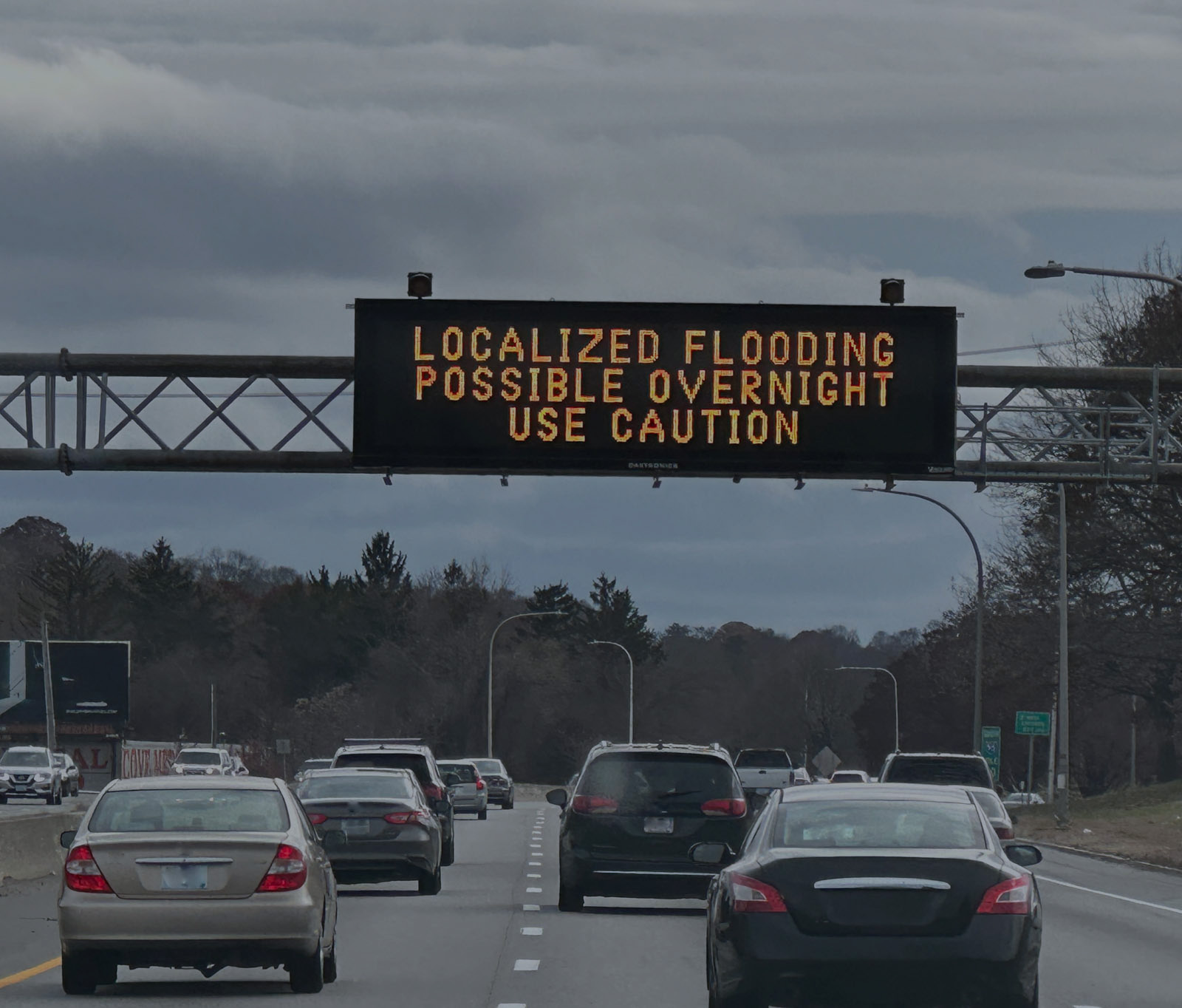
But there are risks
Failure of mass notification systems can be catastrophic, leading to widespread confusion and panic, delayed emergency responses, and preventable deaths.
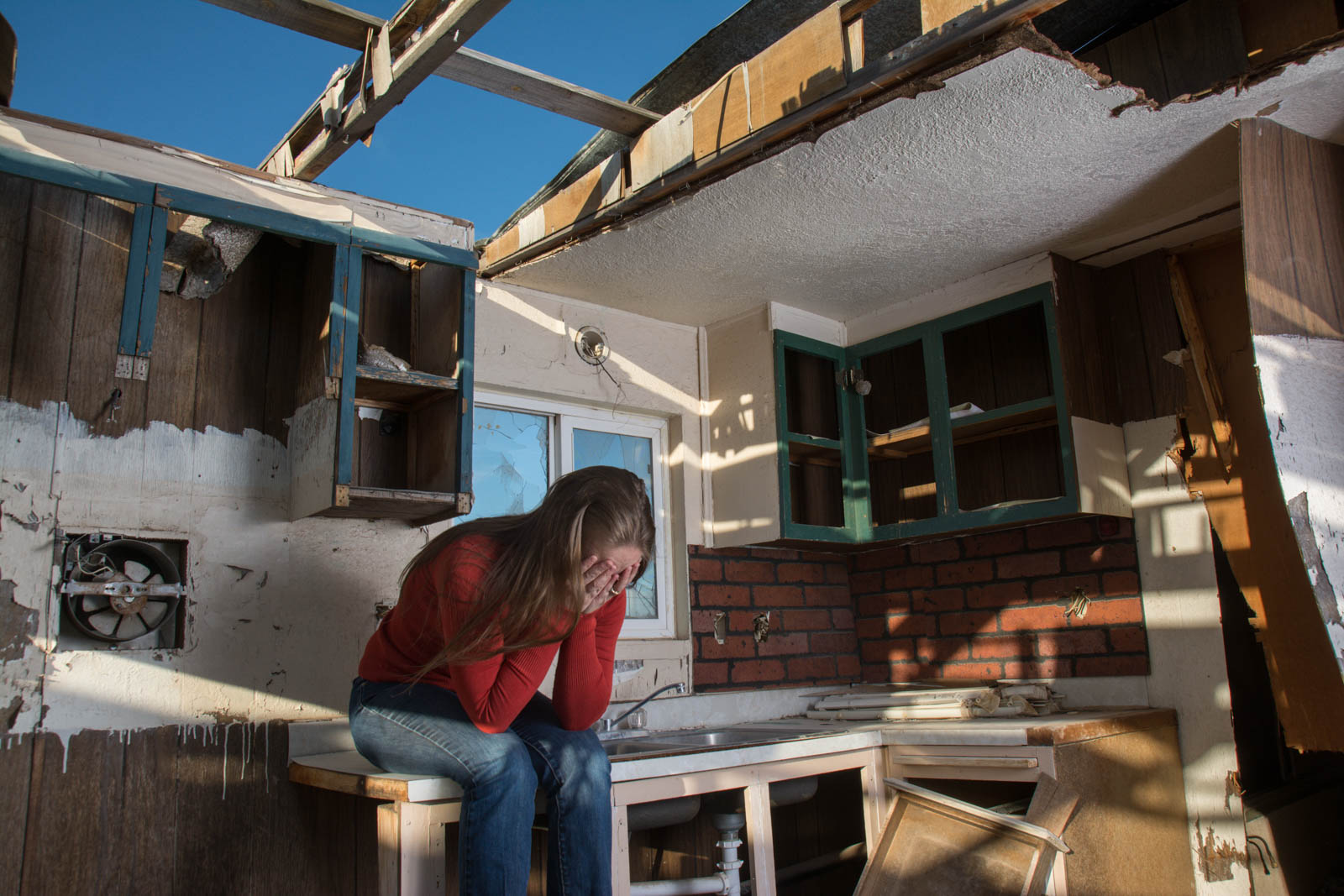
For example
Many factors contributed to challenges with the emergency response to the 2023 Lahaina wildfire in Maui, Hawaii, which resulted in more than 100 fatalities. Among these factors were mass notification system failures, including inactive sirens, confusing and non-urgent messaging, and widespread power and cellular outages.
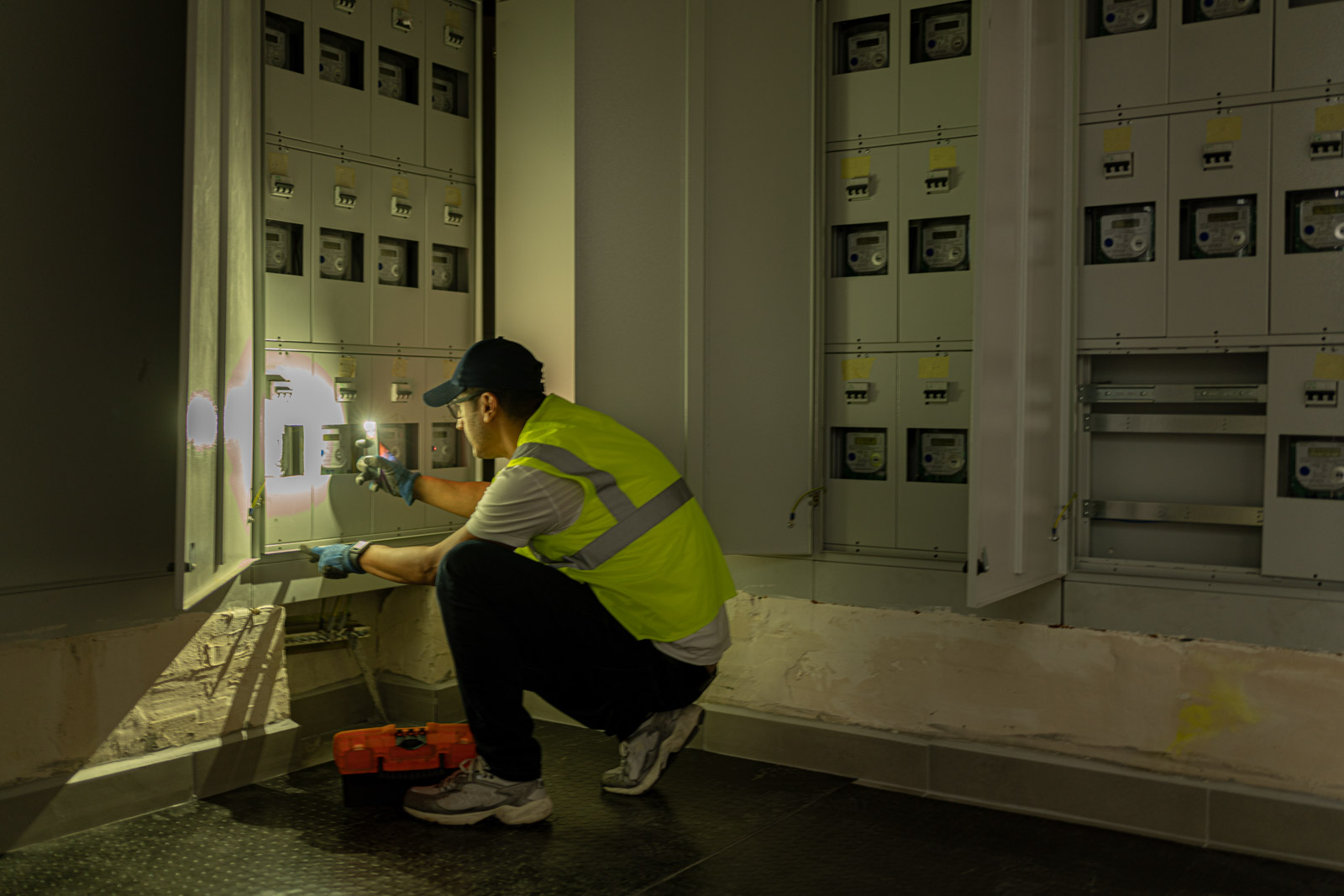

How can authorities keep communities safe and informed as complex systems and decisions evolve in real time during emergencies?
Background
Imagine you’re in class and suddenly every phone in the room sends out a shrieking alarm. You read the message on your screen and see a description of a missing child who is thought to have been abducted. This is an example of an AMBER Alert. Within minutes, the sound and accompanying message ensure that a community-wide search party is activated to help police find the child. Since the program began in 1996, over 1,250 missing children have been recovered due to AMBER Alerts 1.
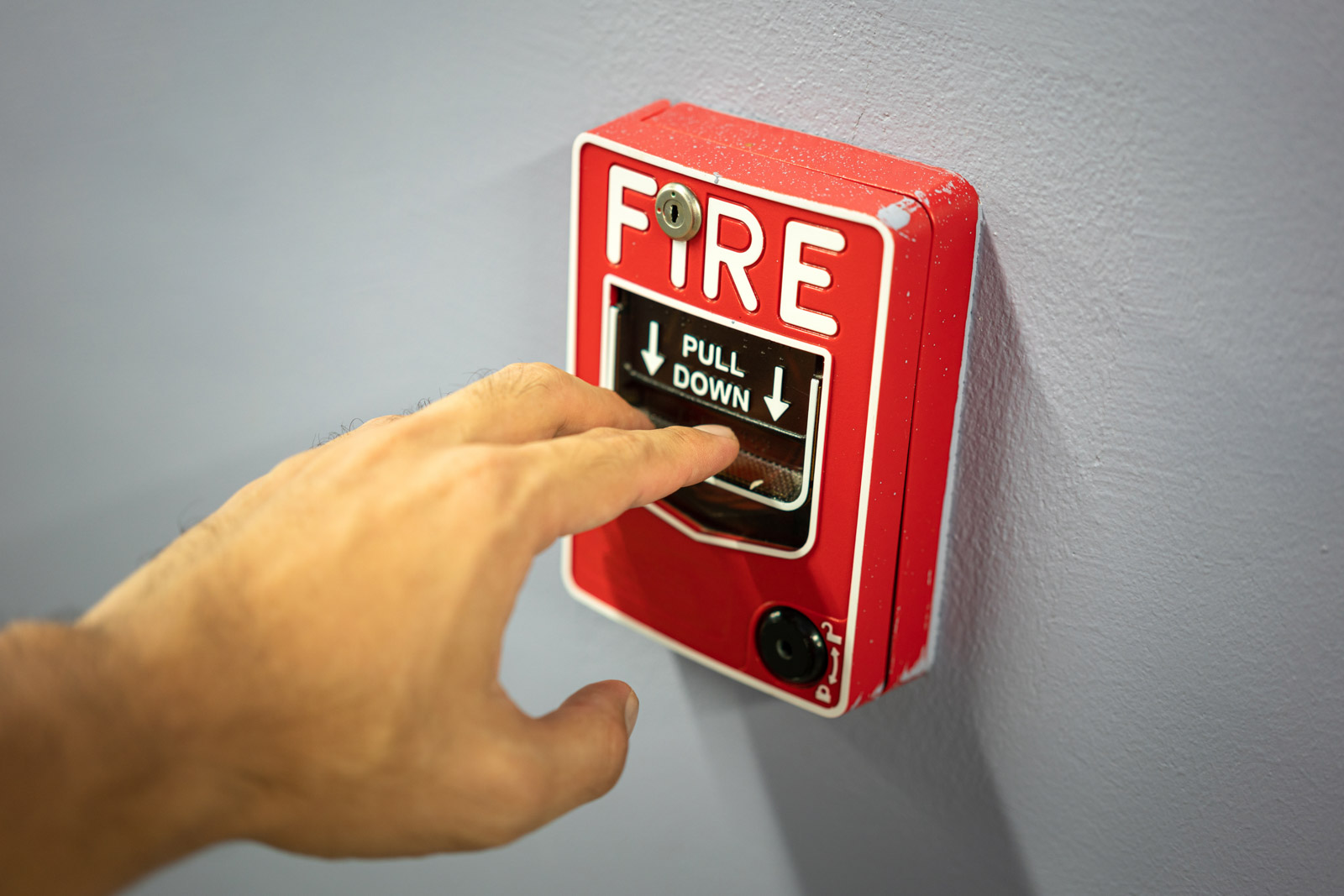
Whether getting the word out about an emergency or sharing the latest news, there has always been a need to communicate information to large numbers of people. A mass notification system (MNS) is a platform that broadcasts real-time alerts and information to many people simultaneously, such as during an AMBER Alert. It is primarily used to alert people to emergency situations and instruct them on how to respond, but it can also be used for non-critical communications.
Mass notification systems are used across many industries and in many different settings. Common applications include emergency alerts where MNSs are crucial for alerting the public about threats, such as natural disasters, active shooter or other terrorist situations, AMBER Alerts, fires, and public health crises. Outside of these critical circumstances, MNSs are also used by many organizations to support daily operations such as communicating IT updates, making company-wide announcements, and sharing other routine information. At a community level, mass notification is used to inform residents about severe weather, public safety threats, road closures, utility outages, and other non-critical matters, such as community events and volunteer opportunities.
When a MNS is used to communicate critical information, it is especially important that the system has certain key components and features so that accurate information can be delivered quickly. To maximize reach and to ensure messages are delivered even if one communication method fails, a reliable MNS incorporates communication redundancy, or multimodal alerting, by using multiple channels, such as voice calls, text messages, emails, desktop alerts, digital signage, public address systems, and sirens 2. A robust MNS must also have interoperability 34 to function in parallel with other existing safety, security, and IT systems. For example, a MNS must be able to function alongside fire alarm systems so that either or both systems can be activated when needed.
Geo-targeting [5] is also an essential component of a well-functioning MNS, as the ability to send alerts to a specific geographic area is critical for preventing unnecessary panic. Similarly, a MNS should have the ability to send messages to only a certain group of people – for example, to residents of a certain apartment complex, but not everyone in the neighborhood. A MNS should also give delivery insights by providing real-time tracking of message delivery to give administrators confirmation that necessary information is being received. Finally, after-action analytics of MNSs can help organizations understand how the incident was handled and identify areas for improvement 2.
In the past, communication with the public was via radio, television, or outdoor sirens. Technology has advanced such that individuals who manage MNSs today are challenged with deciding which means of communication will most effectively reach their intended audience. In 2012, the use of Wireless Emergency Alerts (WEAs) was authorized by the Federal Emergency Management Agency (FEMA). For the first time, 90-character warning messages could be sent to cell phones geolocated near the danger (Kim et al., 2019). Since then, communication technologies now include everything from traditional radio, television, and landline phones to cell phones, email, instant messaging, text messaging, social media networks, public address and intercom systems, LED signage, and strobe and siren alerts. While there are many options for communicating with someone, how can we best communicate to ensure everyone receives and understands the messaging, especially when lives are on the line?
Question
When was the last time you received a mass notification alert? What was it about and how did you receive the message?
Problem
While the concept of mass notification is not new, there are still questions about the adequacy of warning systems, evacuation planning, and community preparedness. The August 8, 2023, Lahaina fire in Maui, Hawaii was a recent reminder of these concerns when the event resulted in more than 100 fatalities and the destruction of more than 2,100 buildings. The catastrophe occurred due to multiple compounding factors, beginning with a downed power line that ignited dry vegetation, which was then fanned into a larger fire by intense winds 6. In addition to the extreme weather and electrical infrastructure issues, communications challenges also contributed to the devastation. Post-incident analysis 7 showed that many Lahaina residents did not receive a text message notification about the impending danger of high winds and fire, and the All-Hazard Outdoor Warning Siren System was not used. Furthermore, even when people were told to evacuate, some refused.
Mass notification system (MNS) failures have led to fatal and costly consequences in several other incidents as well. Common issues include human error, outdated technology, and a lack of coordination:
- World Trade Center, NYC (2001): During the September 11, 2001, terrorist attacks, first responders from different agencies struggled to communicate with each other due to a lack of interoperable radio systems, which hindered coordination and response efforts. Communication was further affected by overwhelmed landline and mobile phone networks, making it difficult to keep the public informed 8.
- Hurricane Katrina, Gulf Coast (2005): The scale of Hurricane Katrina pushed communication networks to the brink, knocking out over 3 million telephone landlines and 1,000 cell phone towers across the Gulf states, and disabling 911 systems for days. Communication failures and inequities were further amplified when residents who did not speak English did not receive information they could understand or access 9.
- Virginia Tech, Virginia (2007): During the 2007 Virginia Tech shooting, a significant delay occurred between the initial shooting at a dormitory and the first campus-wide notification, leaving students and faculty unaware of the active threat as the shooter moved to a second location on campus. At that time, most university campuses only had basic forms of notification systems, relying heavily on email notifications that were not always seen in time during an emergency 10.
- Los Angeles County wildfires, California (2025): A technical error caused an evacuation order meant for a specific region to be sent to nearly 10 million residents. The message was sent repeatedly before being withdrawn, causing panic and confusion 11.
As these and numerous other examples demonstrate, there are several challenges that affect the operation of MNSs. A top concern is system reliability during a wide range of possible conditions (e.g., power outages, network failures). It is also critical that MNSs have mechanisms in place to ensure information clarity and accuracy, as poorly worded or geographically inaccurate messaging can cause confusion and panic. A reliable MNS must also integrate with other safety systems and address modern day technology vulnerabilities, meaning that interoperability and cybersecurity are also persistent challenges facing MNSs.
While the 2023 Lahaina fire exposed local issues in Maui’s MNSs, this and other tragic events demonstrate a broader need for standardizing MNSs such that equipment will be kept up to date and functional for when it is needed most. In fact, there has been a significant push for regulators to include MNS requirements in state laws, particularly those that relate to school safety. The most well-known example is Alyssa’s Law, named after a victim of the 2018 Parkland school shooting, which requires public elementary and secondary schools to install silent panic alarms or mobile emergency rapid response systems that directly connect to local law enforcement.
Question
What makes you trust that an alert is urgent and that you should follow its instructions? Have you ever experienced “alert fatigue?” How does overuse of a communication system affect your willingness to respond?
Approach
To address the need for a mass notification standard, UL Standards & Engagement convened Technical Committee (TC) 2572. Currently, TC 2572 consists of 35% general members, 35% producers, 18% supply chain members, and 12% testing and standards organization members. Throughout the history of this technical committee, specific members have also included representatives from colleges, the U.S. Navy, and the Port Authority of NY. These stakeholders bring real-world perspectives on the requirements for managing emergencies in different environments. For example, the Port Authority of NY builds, maintains, and operates transportation infrastructure in the NYC area. It uses mass notification systems (MNSs) as a tool to broadcast real-time alerts to quickly warn of potential threats and guide people’s responses.
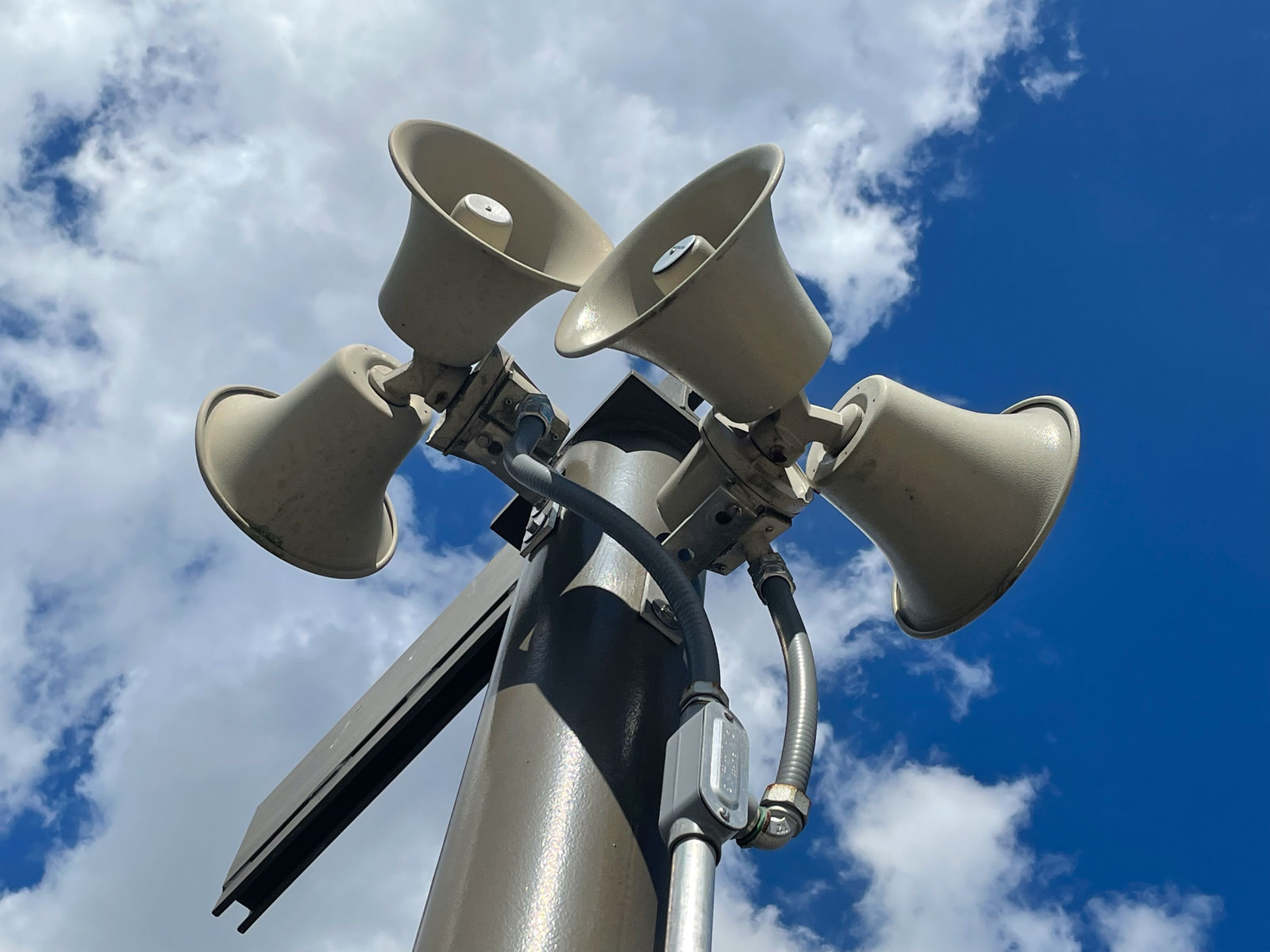
In October 2008, an Outline of Investigation for Control and Communication Units for Mass Notification Systems was published in response to requests to establish MNS equipment requirements. This initial publication described requirements for the components of a MNS, including electrical control units, communication units, and accessories for MNSs. By March 2009, the second draft also included requirements for communicating information to a wide audience, including distributed recipient mass notification control units, individual receiving equipment, and high-power speaker arrays. Continued commenting and revision work by the TC led to publication of the first edition as the UL 2572 Standard for Safety for Mass Notification Systems on October 7, 2011. Over the next few years, changes in requirements were proposed for preliminary review and commenting by members of TC 2572. These topics included revisions of equipment requirements and various performance tests. This work led to the publication of the second edition of the standard on March 28, 2016.
Beginning in 2012, international interests in MNS technology led to UL Canada convening a Technical Committee, and later a Task Group, to develop a National Standard for Canada on the same topic. The first edition of this standard, CAN/ULC S576, was published in September 2014 and a second edition in 2019.
Most recently, revisions are being considered that will support consistency between the standard and NFPA 72, the National Signaling Code, and with another standard, UL 864, the Standard for Control Units and Accessories for Fire Alarm Systems. Consistency across these standards and codes is critical as fire alarm systems are integrated with MNSs. In addition, work is also underway on the development of a proposed joint standard for the U.S. and Canada.
Question
Put yourself in the role of a design architect for a mass notification system. How would the needs of a mass notification system at a university differ from a mass notification system at an airport? How might communication needs differ during a hurricane vs. an active shooter scenario?
Solution
A wide range of components and configurations are described in UL 2572, the Standard for Safety for Mass Notification Systems, [12] that allow a system to communicate life-saving information during various types of emergencies, including but not limited to fires. Requirements are described for:
- In-Building Mass Notification System: A system used to provide information and instructions to building occupants using voice communication, visual signals, and other communication methods.
- Wide Area Mass Notification System: A system which provides real-time information across outdoor areas, such as campuses or community common areas. This type of system uses high-power speaker arrays to send out auditory messages.
- Distributed Recipient Mass Notification System: A system that communicates directly to individuals that may or may not be within or near a specific geographic area via text, email, or social media. This MNS is used in addition to other audible or visible alerting MNSs.
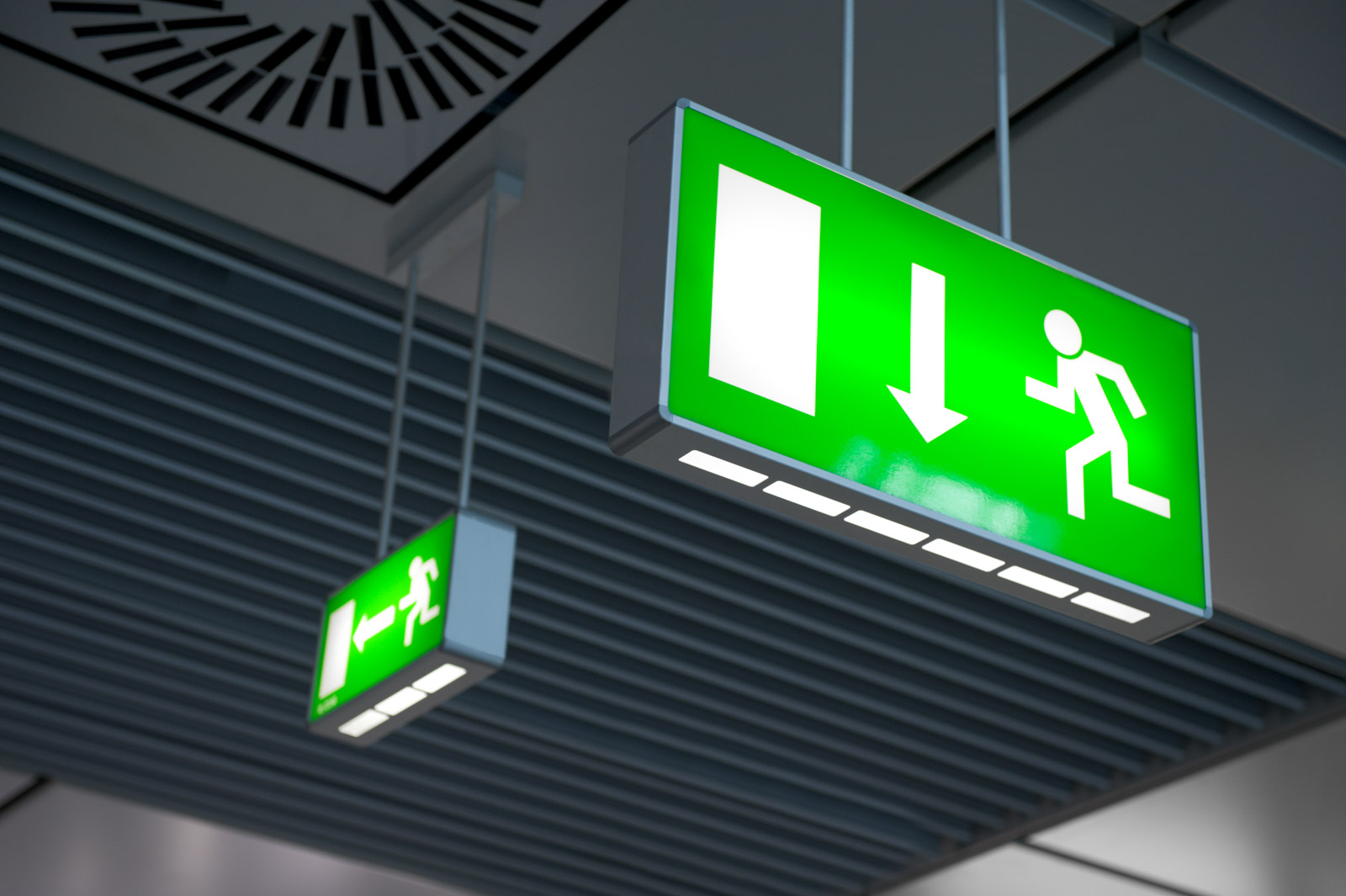
The standard covers the design, performance, operational testing, and installation of MNS components, including control units and supporting equipment, to verify they will function correctly in an emergency. Supporting equipment includes technology that facilitates the delivery of text, voice, and email messages, the use of high-power speaker arrays, voice and visual instruction devices, and visible signaling devices, such as strobe lights. Mass notification equipment that receives UL 2572 certification meets certain functionality requirements. These include:
- Standardized testing: The MNS equipment has been subjected to electrical, environmental, electromagnetic interference, and electrostatic discharge tests, which ensure that all parts function as intended under variable conditions.
- Message intelligibility: The MNS meets requirements for voice messaging to ensure announcements are easily heard and understood.
- Interoperability: The MNS can work with existing fire alarm systems such that both the fire alarm equipment and the MNS equipment can function simultaneously to keep people informed and safe.
While UL 2572 helps ensure communications equipment functions properly to alert people of potential harm, the standard also addresses cybersecurity by incorporating data protection requirements 12. Testing is incorporated to help ensure the system is resilient against cyberattacks and that only authorized personnel can modify, send, or silence alerts and messages — reducing opportunity for misinformation and potentially loss of life.
Improving communication during emergencies is an ongoing area of development, and standards like UL 2572 are an integral part of supporting these efforts. Implementing a MNS that meets UL 2572 requirements means individuals and communities will experience enhanced emergency response, safety preparedness, and overall community resilience.
A standard is a critical tool for ensuring global problems are addressed through iterative, collaborative problem-solving.
This is just a small recap, and you are encouraged to view the standard, in full, for free, by creating an account at ShopULStandards.com and using the Digital View feature.
Discussion Questions
- Simply buying the best mass notification technology does not necessarily equate to having an effective mass notification system. What standard operating procedures and general routines and behaviors would be most important to ensure a mass notification system is successful on your campus?
- How do safety standards like UL 2572 and federal regulations like the Clery Act affect your perceptions of your safety on campus?
- Who should decide whether a building or outdoor area has a mass notification system installed that meets UL 2572 requirements? How does the lack of a mass notification system create liability risks?
Glossary
- Mass Notification System
A network of devices working in coordination to communicate
critical information about emergencies in real time to large populations in buildings and/or
outdoor areas.- Interoperability
The ability of a product or system to work with other products or systems.
References
- U.S. Department of Justice. (n.d). Statistics. AMBER Alert. https://amberalert.ojp.gov/statistics
- Pickren, A., & Harper, T. (2019). How to implement effective mass notification systems. Journal of Business Continuity & Emergency Planning, 12(4), 309–315. https://doi.org/10.69554/gvpe9630
- Salerno, B. (2018, July 12). The Basics of Mass Notification Systems, NFPA, UL and Code Compliance. Accu-Tech. https://www.accu-tech.com/accu-insider/the-basics-of-mass-notification-systems-nfpa-ul-and-code-compliance
- Vedvik, R., & Island, R. (2020). Design aspects of mass notification systems. Consulting-Specifying Engineer, 57(2), 30. https://www.csemag.com/design-aspects-of-mass-notification-systems/
- Kim, G., Martel, A., Eisenman, D., Prelip, M., Arevian, A., Johnson, K. L., & Glik, D. (2019). Wireless Emergency Alert messages: Influences on protective action behaviour. Journal of Contingencies & Crisis Management, 27(4), 374–386. https://doi.org/10.1111/1468-5973.12278
- Kerber, S. & Alkonis, D. (2024a). Lahaina Fire Comprehensive Timeline Report, Phase I, Fire Safety Research Institute, https://doi.org/10.54206/102376/VQKQ5427
- Kerber, S. & Alkonis, D. (2024b). Lahaina Fire Incident Analysis Report, Phase II, Fire Safety Research Institute, https://doi.org/10.60752/102376.26858962
- The 9/11 Commission Report. (2004). Final Report of the National Commission on Terrorist Attacks Upon the United States, United States Government Publishing Office, https://911commission.gov/report/911Report.pdf
- U.S. Senate Committee on Homeland Security and Governmental Affairs. (2006). Hurricane Katrina: A nation still unprepared (S. Rept. No. 109-322). Washington, DC: U.S. Government Printing Office. https://www.hsgac.senate.gov/wp-content/uploads/imo/media/doc/Katrina/FullReport.pdf
- Virginia Tech Review Panel (2007). Mass shootings at Virginia Tech, April 16, 2007: report of the Virginia Tech Review Panel presented to Timothy M. Kaine, Governor, Commonwealth of Virginia. https://scholar.lib.vt.edu/prevail/docs/VTReviewPanelReport.pdf
- Congressional Research Service. (2025). Sounding the Alarm: Lessons from the Kenneth Fire False Alerts. https://robertgarcia.house.gov/sites/evo-subsites/robertgarcia.house.gov/files/evo-media-document/false-alerts-final-report-5.10.pdf
- Mathews, D. (2013). Mass Notification Systems UL2572. The Fire & Security Authority, 1, 1–3. https://code-authorities.ul.com/wp-content/uploads/sites/40/2015/02/FireandSecurityIssue12013.pdf