- UL 4200A
How Lawmakers are Using Standards to Make Household Products Safer for Small Children
In record time, UL Standards & Engagement revised UL 4200A to respond to federal legislation and prevent children from accessing dangerous button-cell batteries.
Abstract
Reese, Trista Hamsmith’s toddler, died after swallowing a button-cell battery that burned through her esophagus and airway. Reese’s death brought to the forefront a need for changes in battery legislation to protect children from battery risks. This resulted in a 12-month window for developing a safety standard that would become the national mandate for manufacturers of products incorporating button-cell and coin batteries. UL Standards & Engagement rose to the challenge, assembling a technical committee of medical, safety, and fabrication experts, as well as citizens, including Trista Hamsmith, to revise UL 4200A, a safety standard for products containing these small batteries.
Learning Objectives
- Understand that considerations for product use and safety depend on user considerations and product design features
- Recognize that legislation can mandate safety requirements
- Learn that safety standards codify the technical aspects of those requirements


Real world context
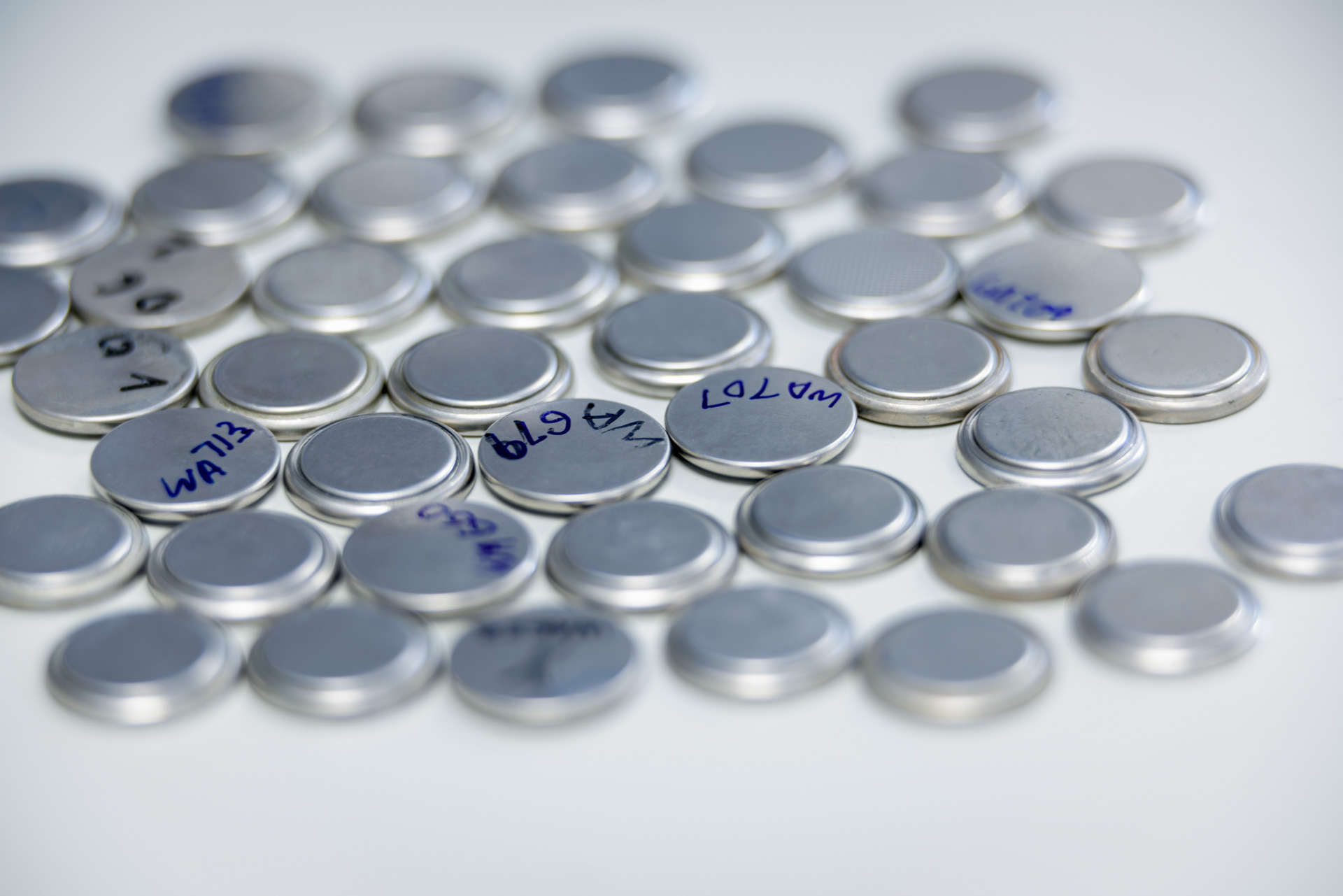
Button-cell batteries are everywhere.
But there are risks
Within minutes of a child swallowing a button-cell battery, irreversible internal damage to the organs is done. Within two hours, the damage can be fatal.

For example
A mother whose toddler died after swallowing a battery from a remote control is pushing for new laws to help reduce this risk and save lives.

How can common battery-powered products be designed to keep children safe from accessing button-cell batteries?
Background
In October 2020, “spunky and sassy” 16-month-old Reese Hamsmith swallowed a button-cell battery from a remote control. Her family rushed her to the hospital where the battery was removed. However, such significant damage occurred that Reese was unable to recover and sadly, she died two months later on December 17, 2020, at just 18 months old. The risk was not isolated to Reese. To that date, 70 children had died from button-cell battery ingestion.1
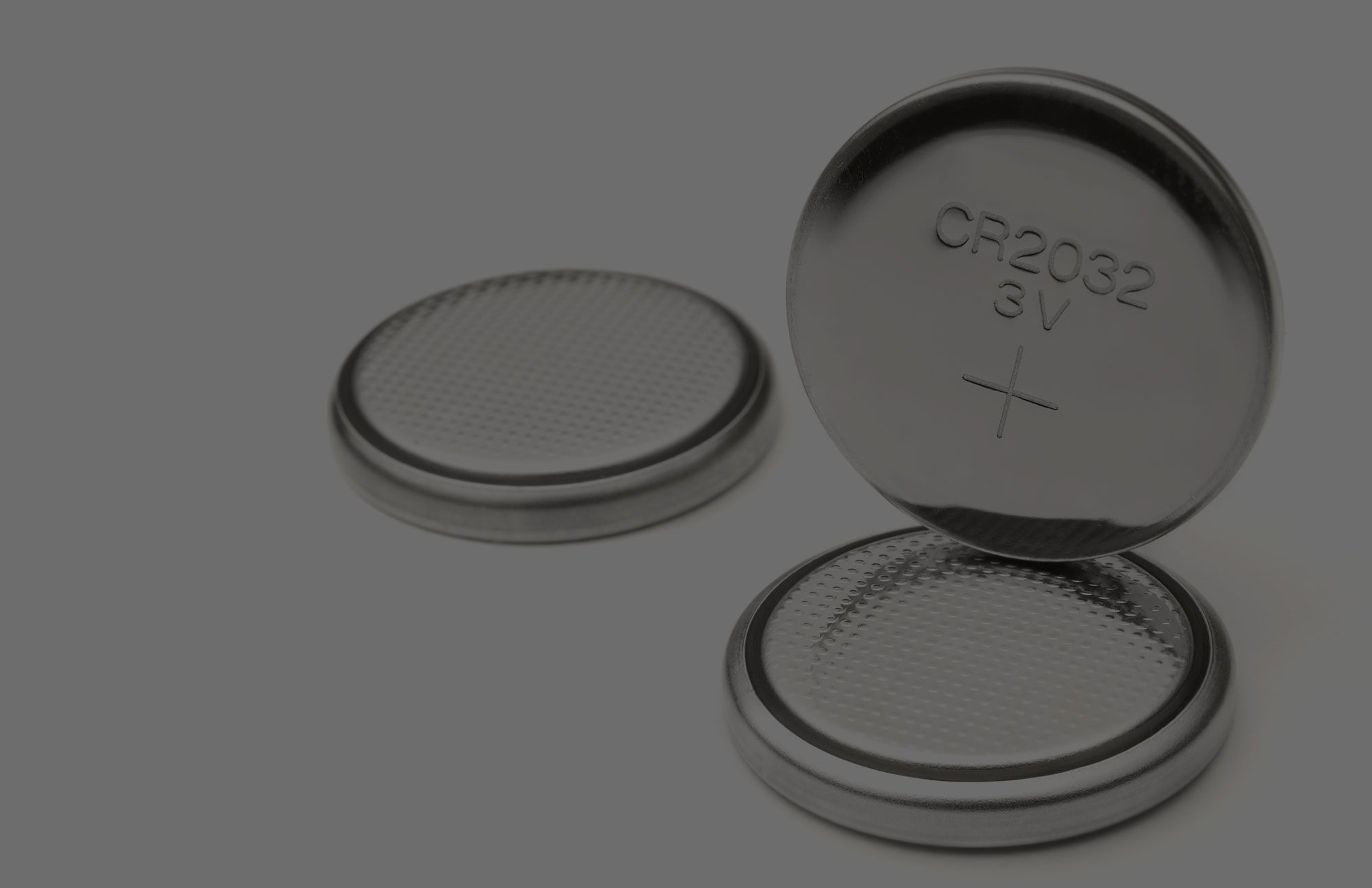
Button-cell batteries, also known as coin batteries, are small, from 5 mm to 30 mm wide and often weigh less than 3 g. They can be powered by lithium (e.g., manganese dioxide or lithium/carbon monofluoride), alkaline (a battery with an electrolyte, typically potassium hydroxide, that has a pH higher than 7), silver-oxide, or zinc-air chemistry. Due to their small dimensions and mass and high voltage output (approximately equal to one or two AA batteries), they are utilized in many small-format power applications. From tiny toy components to LED candles, from door fobs to car key remotes, from digital watches to singing greeting cards, to calculators, thermometers, hearing aids, and plushie toys, button-cell batteries are a ubiquitous part of modern power.
As button-cell batteries have become more inexpensive and in-demand, their prevalence in products that children might interact with — such as wearable technologies, electronic toys, and medical products — has increased. From 1989 to 2007, battery ingestions increased by 6.7 times. 1 This number doubled again from 2012 to 2022, the same timeframe when Reese swallowed a button-cell battery from a remote control. 2 In that interval, nearly 4,000 cases of pediatric battery ingestion were reported to the National Battery Ingestion Hotline. Of these, 62% involved batteries removed from products by children; 30% involved loose, new, or discarded batteries; and 8% involved batteries removed from packaging by children. 3 Caretakers did not observe ingestion for those incidents that were most fatal or resulted in major injury making this risk even more challenging to detect and treat.
UL 4200A and Reese’s Law provide manufacturing requirements aimed at keeping children safe.
4000
Cases of pediatric battery ingestion reported from 2012-2022
Trista Hamsmith was motivated to seek changes in legislation to consider how children might access batteries and address risks inherent in products used by children. If companies are not required to make their products safer in a specific way, they might not adjust.
Previous federal battery legislation including EPA’s Universal Waste Rule (1995) and the Federal Battery Act of 1996 focused on labeling and recycling of nickel-cadmium (Ni-Cd) and certain small, sealed lead-acid (SSLA) rechargeable batteries. The purpose of these regulations was to reduce the environmental impact of consumer batteries, increase and standardize battery recycling efforts across the nation, and to phase out the use of mercury in batteries. 4 While these regulations made steps in the right direction, they did not legislate safety regarding battery packaging and warning labels that could protect a toddler like Reese. Reese’s mother understood firsthand that this regulation was insufficient and began a quest to create a system that would protect other children from the dangers of swallowing batteries.
Question
Look around you and count at least five products that contain batteries. Assess each one for rechargeability, disposability, and type of battery.
Do you see any products that contain button-cell batteries? How easy would it be for you to replace that battery if it died? How will you dispose of the battery once it no longer powers the product?
Problem
Children are at high risk for eating small items and choking for several reasons. At early toddler stages, children tend to explore the world and objects by putting things in their mouths.
In addition, at this stage of brain development for children, they are incapable of processing the full risk of their actions. When a child is choking, there are several outward signs such as gagging, gasping, or the child’s complexion changing color that will spur a parent or caretaker to take emergency actions. However, if a child swallows a battery, there are no immediate emergency conditions such as gasping for air; the caretaker might not realize they swallowed it and that there is an emergency, even though the internal results are devastating.
By design, all batteries, regardless of chemistry or size, share a physical characteristic: a separation between the cathode and anode. This separator, when physically connected by other conductors to complete a circuit, allows a battery cell to discharge and power many of our products. A conducting liquid, such as saline or mucus in the esophagus, is enough to complete the circuit. If a child swallows a battery, the completed circuit produces sufficient current to burn adjacent tissue. Tissue damage begins almost immediately, with permanent impact in 15 minutes and fatal impact in as few as two hours. Larger button-cell batteries (≥20 mm diameter) cause even stronger burning reactions.5 In Reese’s case, the 20 mm battery eroded the esophagus and burned into the airway. Even after the battery had been removed, her tissue was damaged so severely that it could not be repaired after several surgeries. After 40 days on a ventilator, Reese succumbed to her injuries and passed away.
Question
Have you ever had to pull a small, plastic tab from inside a remote control, a watch case, or a laser pointer before its first use? How does the pull tab physically protect you and your product?
Approach
After her personal experience, Trista Hamsmith believed battery safety regulations needed to be updated to reduce the risk of children accessing button-cell batteries in products. Hamsmith worked with U.S. Rep. Jodey Arrington (Texas) to propose Reese’s Law to Congress.

Reese’s Law mandated the development of a compulsory safety standard for button-cell or coin batteries and consumer products that contain such batteries. Signed into law in August 2022, the Federal Consumer Product Safety Commission (CPSC) then had 12 months to work through the process. By February 2023, CPSC outlined the requirements for the standard and then evaluated the potential for any safety standard-setting organizations that might already have a safety standard in place that met their requirements. They found no existing standard that met all of the new safety requirements.
Simultaneously, UL Standards & Engagement realized that UL 4200A could be updated to meet the new requirements of Reese’s Law. UL 4200A was originally created to standardize the safety for products incorporating button-cell or coin batteries of lithium technologies that are not actually toys. (Toys for children must meet a different safety standard, ASTM F963, the Safety Standard for Toys.) This prompted ULSE to assemble an advisory team of experts, called a technical committee, to revise UL 4200A to meet the new requirements in Reese’s Law. As part of the ULSE process to publish a safety standard, the interdisciplinary technical committee (called TC 4200) would need to reach consensus on various trade-offs between product safety and expense from multiple standpoints such as battery manufacturers, transportation and shipping, and product design. ULSE’s consensus-building process of drafting, circulating comment copies, and collectively resolving any outstanding issues for publication can take years. TC 4200 only had six months.
Question
From your perspective as a consumer, parent, or business, how would you advise TC 4200 in this process?
Solution
TC 4200 reconvened in March 2023, with five months to the deadline. With the existing standard UL 4200A as a starting point, the TC followed ULSE’s iteration protocol for updating and revising the standard to meet the CPSC requirements for compliance with Reese’s Law.
This iterative process included consideration for establishing a standard that defines terms and scope, establishes battery compartment construction requirements for both operable and inoperable battery compartments, establishes how the battery compartment functions when used or misused, and describes required safety warning labels with emergency contact information.
TC 4200 defined the terms and scope first using CPSC’s 14 requirements, which included necessary enclosure-closing and opening mechanisms. TC 4200 also decided to address the need for products containing button-cell batteries to remain secure during use and during product disposal. The revised UL 4200A scope would include products that were specifically not toys but still posed considerable risk. As an important detail of the scope of the standard, it might be additionally relevant to note that this standard excludes button-cell batteries using zinc-air chemistry, such as hearing aid batteries. If this type of battery was swallowed, no air can reach the battery, and thus its voltage-producing chemical reaction ceases.
After defining terms and scope, UL 4200A describes required construction for battery compartments that are operable (in which batteries could be replaced by the user) and those that are inoperable (in which the battery is not replaceable). Like many safety standards, UL 4200A states the limits for successfully passing a viability test. Viability tests are specific tests listed in the safety standard that test whether the product would work successfully for these requirements. If the product can pass this test, it may be certified. As written in UL 4200A, if the battery compartment is to be opened, then it must require an adult force on a tool or adult coordination (two-handed opposing motions) to open. For example, certain calculators might have a separate compartment for a button-cell battery under the compartment for AA batteries, which requires a small screwdriver to open to replace that battery.
If the button-cell battery’s compartment is supposed to remain closed, then it must comply with ASTM F963, a safety standard for toys that children use, which establishes the standard that it cannot be punctured or opened with less than an adult force (7 N or 15.7 lbf). Whether operable or inoperable, UL 4200A also states that a probe cannot contact the battery from outside the product, ensuring a curious kid cannot pry it out.
UL 4200A continues by stating how the compartment must perform when used or potentially misused by a child. Through a range of abuse tests, the product should withstand being dropped, struck by a horizontal force, crushed by a vertical force, and pried by a hook.
Finally, UL 4200A states that products and packaging should include permanent warning labels with symbols and text to inform consumers about the presence and danger of a button-cell battery and who to call if a child swallows a battery. Directive symbols and text are mandated in the standard, such as “Keep new and used batteries out of reach of children” and “Death or serious injury can occur if swallowed.” Depending on the size of the product, different truncated statements are indicated. Several permanence tests for markings are provided including number and strength of rubbing motions with a wet cloth and with mineral spirits.
The technical committee met weekly for three months. They utilized ULSE’s Collaborative Standards Development System, writing, inviting public comments, revising, and balloting the proposed revisions to come to consensus. On August 15, 2023, one day before the CPSC deadline, ULSE published UL 4200A, which met 13 of the 14 requirements. With CPSC’s approval, UL 4200A was revised again on September 11, 2023, meeting all 14 of the requirements. By publishing within five months, the committee members achieved a rare feat; they created a standard to accompany legislation in record time, and provided manufacturers with certification tests to ensure their products would not release dangerous button-cell batteries while in use or in the hands of children.
Trista Hamsmith continues to work with battery manufacturers to do more to safeguard children from button-cell batteries. In 2024, she collaborated with a major battery manufacturer to implement a three-part battery technology including packaging that requires each button-cell battery’s plastic bubble pouch to be cut open individually in a circle, a bitter-tasting coating, and a saliva-activated blue dye. As of March 19, 2024, products with button-cell batteries must meet UL 4200A, and further battery packaging requirements began on September 21, 2024. Beyond working with the battery manufacturers, Hamsmith is also advocating for amendments to Reese’s Law that would mandate a dye coating on button-cell batteries. If that amendment passes, then safety standards organizations like ULSE will again work collectively to update safety standards so consumer products can demonstrate their safety by meeting the highest safety standards available.
Discussion Questions
- UL 4200A’s revision was spurred by Reese’s Law which was passed after a horrible accident involving Reese Hamsmith. Should safety standards precede need or follow accidents? Consider scenarios for each.
- If zinc-air batteries don’t pose a risk when children ingest them, should all products be made with zinc-air batteries? What might that mean for engineers?
- Think about your experiences as a consumer of products with button-cell batteries (replaceable and not). How could you contribute to the UL 4200A technical committee based on your experience and expertise?
A standard is a critical tool for ensuring global problems are addressed through iterative, collaborative problem-solving.
This is just a small recap, and you are encouraged to view the standard, in full, for free, by creating an account at ShopULStandards.com and using the Digital View feature.
How to get involved
Share your expertise
UL Standards & Engagement is actively seeking all interested parties to participate in its standards development process and encourages diverse perspectives to join in by participating as a stakeholder. Stakeholders can submit, review, and comment on proposals for new standards or revisions to existing standards. While stakeholders do not vote, the TC considers their input during the standards voting process. Since standards affect everyone, all are welcome to participate as stakeholders. Register online through ULSE’s Collaborative Standards Development System.
Advance your career
Check out current internship and fellowship openings for opportunities to engage with standards professionals and to contribute to standards research and innovation.
References
Jatana, K. R., Litovitz, T., Reilly, J. S., Koltai, P. J., Rider, G., & Jacobs, I. N. (2013). Pediatric button battery injuries: 2013 task force update. International Journal of Pediatric Otorhinolaryngology, 77(9), 1392-1399. https://doi.org/10.1016/j.ijporl.2013.06.006
Pearson, C. (2022, August 29). More children are swallowing batteries and landing in the E.R. The New York Times. https://www.nytimes.com/2022/08/29/well/family/button-batteries-children-danger.html
Litovitz, T., Whitaker, N., & Clark, L. (2010). Preventing battery ingestions: An analysis of 8648 cases. Pediatrics, 125(6), 1178-1183. https://doi.org/10.1542/peds.2009-3038
Call2Recycle.org (n.d.) Recycling laws by state. Retrieved November 13, 2025, from https://www.call2recycle.org/recycling-laws-by-state/
Litovitz, T., Whitaker, N., Clark, L., White, N. C., & Marsolek, M. (2010). Emerging battery-ingestion hazard: Clinical implications. Pediatrics, 125(6), 1168-1177. https://doi.org/10.1542/peds.2009-3037