- UL 1974
Driving Reuse — Creating a Second Life for Electric Vehicle Lithium-Ion Batteries
UL 1974, the Standard for Safety for Evaluation for Repurposing or Remanufacturing Batteries, is a manufacturing process standard that provides safety and performance requirements for the sorting and grading processes used in repurposing or remanufacturing lithium-ion batteries from their original configured use, such as powering electric vehicles, to use in other applications.
Abstract
Battery-powered electric vehicles (BEVs) are an important part of decarbonizing the transportation sector and mitigating climate change impacts by producing lower greenhouse gas (GHG) emissions compared to conventional internal combustion engine (ICE) vehicles. However, most BEVs currently run on lithium-ion batteries (LIBs), which typically last 10 to 12 years before the battery capacity falls below 80% and can no longer propel the vehicle. Therefore, with an increasing demand for BEVs there will be a growing volume of retired LIBs with residual energy that could end up in landfills. In anticipation of a future market for used batteries, UL Solutions and UL Standards & Engagement developed and published an Outline of Investigation for Evaluation for Repurposing Batteries, UL 1974 in 2017 and later a first edition consensus safety standard in 2018. UL 1974 provides a state of health assessment for these batteries so they can be safely utilized for a second application rather than final disposal. This binational standard provides requirements for the sorting and grading processes involved in repurposing LIBs from their original first-life use, such as in BEVs, to secondary use in other applications that have lower power demands, such as stationary energy storage that can utilize the remaining energy in retired BEV LIBs. Safety standards such as UL 1974 improve the circular economy and help industries make the best use of battery technology while supporting sustainability efforts at local and global scales by reducing the need for new battery production and reducing landfill waste.
Learning Objectives
- Understand how battery-powered electric vehicles are critical to the electrification of the transportation sector
- Apply knowledge of lithium-ion battery circularity options to evaluate personal battery awareness and disposal decisions
- Identify how the growing volume of retired lithium-ion batteries from electric vehicles is a safety hazard and an opportunity to implement circular economy strategies
- Analyze the important role technical committee members have in representing their industries in the standards development process
- Evaluate the role of safety standards in building consumer trust in second-use, lithium-ion battery-powered products


Real world context
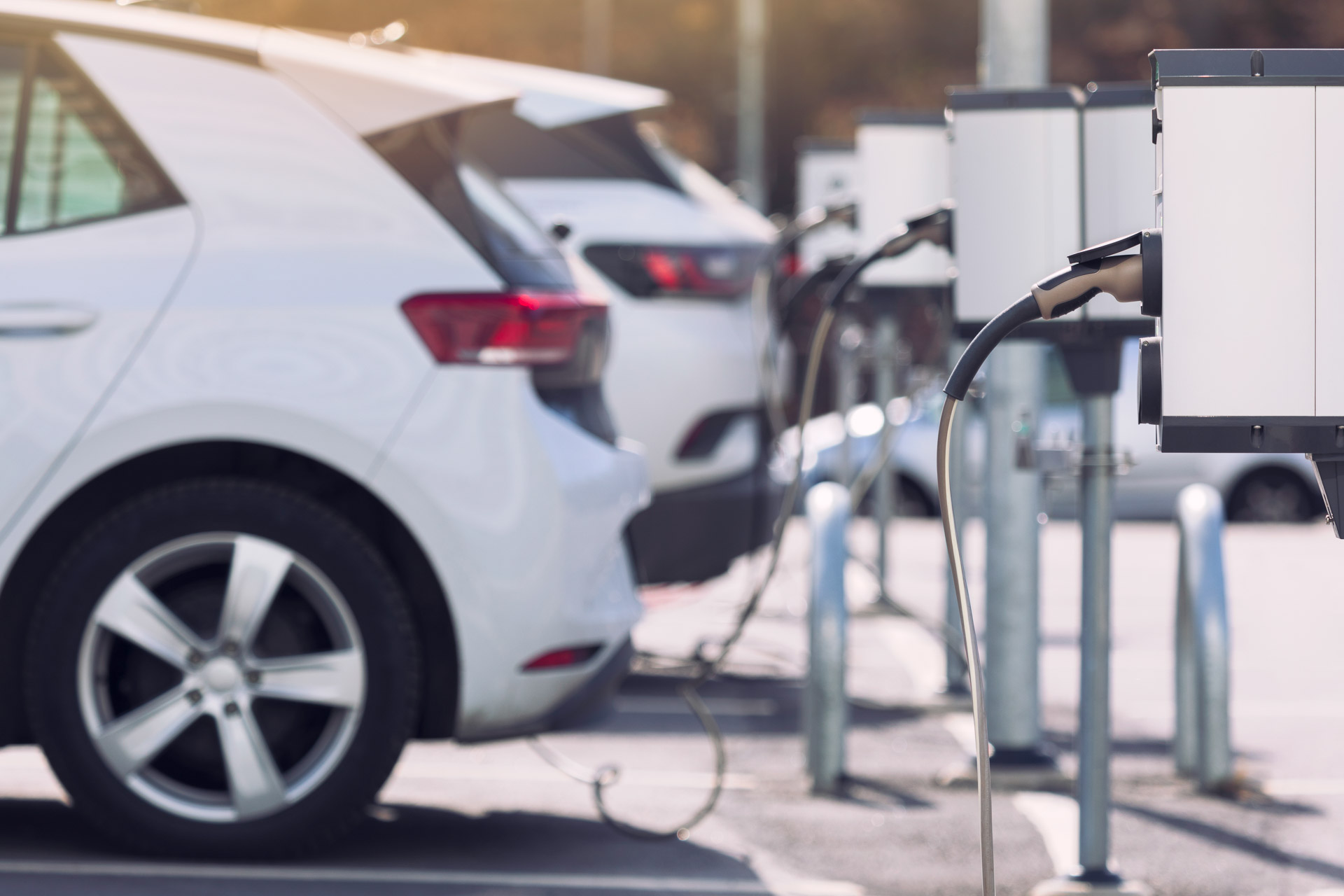
Electrification of the transportation sector has been suggested as a primary approach to reduce greenhouse gas emissions, with lithium-ion batteries (LIBs) as the key technology that will advance the transition from fossil fuel-based to electrical storage-based vehicles.
But there are risks
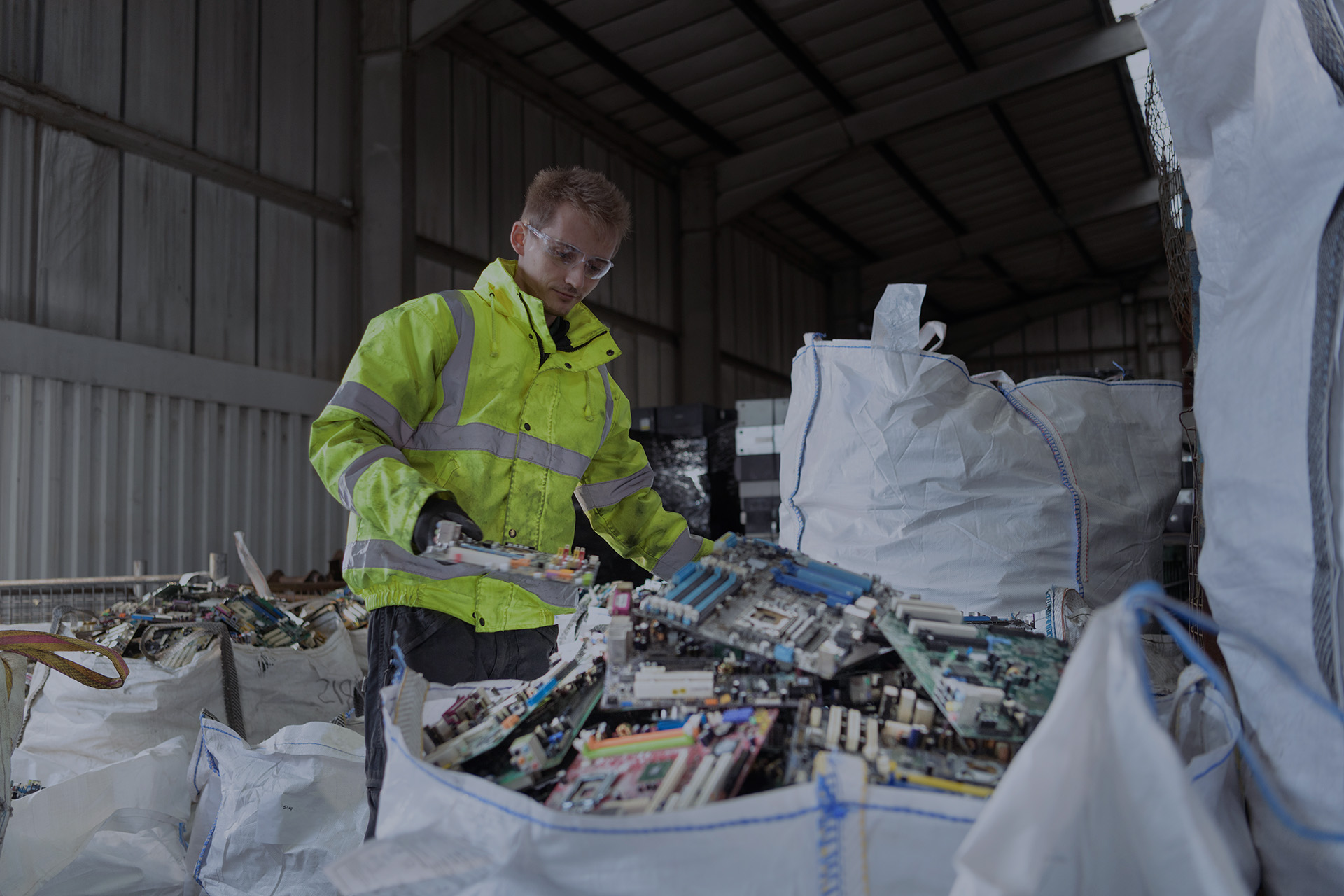
By 2030, over 1 million EV batteries will reach end of life, and with few disposal options, many may be stockpiled or landfilled — risking metal leakage, electric shock, and thermal runaway hazards.

For example
One Oregon landfill experienced 21 LIB-related fires within a three-month period in 2023. The source of these fires ranged from cellphones to e-bikes and EVs, with a concern that the bigger the battery, the bigger the fire.

If decarbonization needs LIBs but recycling falls behind, what should be done with EV LIBs once they can’t power vehicles?
Background
Tesla Motors is now synonymous with electric cars, but it was the Nissan Altra electric vehicle (EV), released in 1997, that was the first EV to be powered by a lithium-ion battery (LIB). 9
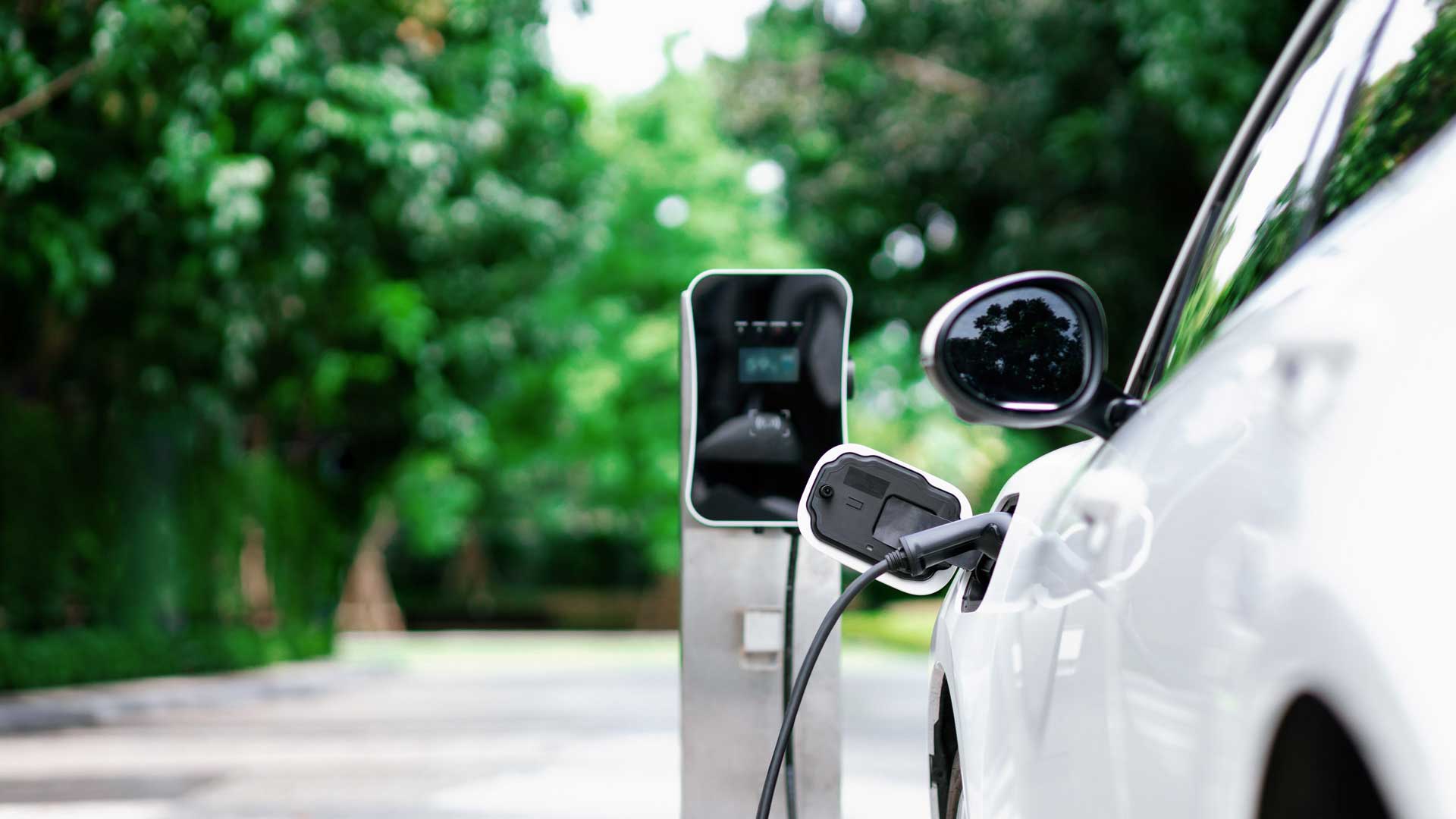
While only 139 Altra EVs were sold, fast forward to today’s EV market and the numbers tell a different story. Global EV sales hit one million units for the first time in 2017 6 and are predicted to surpass 300 million by 2030. 7 Such growth stems from a desire for more sustainable transportation options. Transportation accounts for over 25% of global greenhouse gas (GHG) emissions and is a well-known contributor to local air pollution issues. 15 Electrification of the transportation sector has been suggested as a primary approach to reduce GHG emissions and improve air quality. 11 As a decarbonization strategy, electrification aims to convert energy-consuming devices that traditionally run on fossil fuels to those that run on electricity or electrical storage. LIBs are the key technology advancing this process. Relative to conventional cars powered by internal combustion engines (ICEs) that run on multiple complex systems, battery-powered electric vehicles (BEVs) have a simpler internal configuration consisting of a single large battery or bank of batteries that can be charged and discharged hundreds or thousands of times during a typical battery lifetime.
When charged, an EV battery must contain a high enough energy capacity to power the propulsion system of the vehicle. Presently, common types of rechargeable batteries used in BEVs include lead-acid batteries (LABs) and LIBs. Some EV manufacturers choose LABs due to their high reliability, availability, low cost, and high recycling potential. However, they are not as widely used in EVs due to their lower energy storage capacity relative to LIBs. LIBs have significant advantages over other battery types in terms of their higher energy density and efficiency, smaller size, and lighter weight. These characteristics mean LIBs are widely used in EVs today. However, LIBs are not perfect, and current research is investigating how to improve LIB lifespan, charging rates, and driving range reliability. 10
In theory, LIBs would last forever as lithium ions move between the anode and cathode ends of a battery cell to generate a voltage and power a device. 13 However, normal aging and secondary chemical reactions cause LIBs to lose capacity over time. 8 4The point at which an EV LIB reaches end of life is determined by its remaining capacity, which is expressed as the state of health (SOH), or an estimate of the battery’s capacity to store energy compared to when it was first manufactured. 16 Currently, EV LIBs are considered to reach end of life when their SOH falls below 80%. 2 Below this, EV LIBs cannot generate enough voltage to power and accelerate the vehicle, which requires most EV LIBs to be retired after 10 to 12 years. 3
Question
Have you ever had to figure out what to do with a lithium-ion battery, for example from an old cellphone or laptop? How did you handle it? If you haven’t, do you know what your options are for managing these batteries when they reach their end of life?
Problem
Considering today’s soaring electric vehicle sales and that lithium-ion battery-powered EVs have been on the market for nearly 30 years, more than 1 million EV LIBs are expected to be retired by 2030 with limited options for battery end-of-life management.
Recycling options for LIBs are currently limited, meaning most end up either stockpiled, sent to landfills, or in electric car “graveyards” in some countries. 1 While nearly all conventional lead-acid batteries are now recycled, few LIBs are due to the high cost and challenges associated with managing the impact of the critical elements that make up LIBs, such as lithium, nickel, and cadmium, causing most to end up in landfills where leaching releases these elements into the environment. 12 Another challenge is managing the residual energy in EV LIBs. Discarding batteries that have not been discharged leads to safety hazards such as electric shock and thermal runaway. Over 240 fires caused by LIBs were reported from 64 facilities between 2013 and 2020. 14 While most of these fires originated from smaller LIB-powered devices, the similar chemistry to EV LIBs means their larger battery packs would logically lead to larger, more dangerous fires if they continue to be discarded in landfills.
With the abundance of retired EVs, there is a market for used LIBs that still maintain 60-80% of their original energy capacity that could be met with reused LIBs from BEVs. 5 A circular economy for LIBs means that any residual power remaining in batteries when they reach the end of their first life should be fully used before the battery is finally disposed. A battery economy with a circular (e.g., take, make, reuse/repurpose, recycle) rather than a linear (e.g., take, make, use, discard) supply model will promote more resource-efficient battery use, ensuring the maximum electrical energy is harnessed from an EV battery before it reaches a final end-of-life state. A common circularity practice includes slowing resource loops by considering alternate use options before recycling. 2 For example, second use of EV LIBs could include: 1) reuse in an EV after repair or refurbishment, or 2) repurposing in a different application requiring less voltage, such as in stationary energy storage, smaller electric-powered vehicles, or power tools. The viability of whether a battery is fit for reuse or repurposing depends on the condition and state of health of the battery. To support the circular economy and improve waste management options, potential second-life LIBs need to be evaluated against a standard to ensure they are safe for their second-use applications.
Question
Circular economy practices include closing, narrowing, and slowing resource loops. How do the waste management options of reusing, repurposing, and recycling align with these circular practices?
Approach
With an understanding that the growing number of retired EV lithium-ion batteries contain a residual, though lower, charging capacity that could be used in secondary applications, UL Solutions engineers and researchers, as well as EV original equipment manufacturers (OEMs), recyclers, and repurposing organizations supported development of a consensus safety standard that includes a health assessment for EV LIBs to determine their suitability for second-use application before final disposal.
In response, technical committee 1974 was formed in April 2017 with representatives from various interest categories, including producers, regulators, government agencies, testing and standardization organizations, supply chain members, commercial and industry representatives, and general interest members.
On October 25, 2018, the first edition of UL 1974 was published by UL Standards & Engagement as the Joint National Standard for Canada and the United States for evaluation for repurposing batteries. Over the next four years of putting UL 1974 into use, ideas for revisions to the first edition were brought forward. In 2022, proposals were received from industry with suggestions for improvements to UL 1974, including a proposal to expand the scope of the standard to incorporate remanufacturing. In November 2023, the second edition was published with a revised title: the Standard for Evaluation for Repurposing or Remanufacturing Batteries.
Question
Considering the members of technical committee 1974, which group of stakeholders do you think would have the most interest in seeing a standard like UL 1974 published?
Solution
UL 1974, the Standard for Evaluation for Repurposing or Remanufacturing Batteries, states four main steps that are to be carried out when evaluating a battery’s potential fit for being repurposed or remanufactured: information gathering, visual inspection, testing for sorting and grading, and long-term improvement processes.
Together, these steps help determine a battery’s state of health and if it is safe for continued use in a second-life application. Test procedures carried out during the evaluation include checking the battery’s capacity, internal resistance, charge and discharge cycling, and the battery management system controls. Of particular importance during the charge and discharge cycling test is to monitor the battery’s temperature, voltage, and current to see if the battery cells function within the manufacturer’s recommended specifications. If any values are too high or too low, then the battery is rejected from moving on to being repurposed or remanufactured. Guidance like UL 110: Ensuring Mobile Phones are Sustainable | www.standardsacademy.org 8 that offered in UL 1974 helps repurposing and remanufacturing entities assess the qualities that will determine the usability of lithium-ion batteries, which supports keeping batteries within a circular economy rather than having them end up as waste, and it improves our ability to make the most efficient use of current battery technology.
Question
Would you ever consider buying or leasing an electric vehicle that runs on a remanufactured battery system? Why or why not?
Discussion Questions
In a circular economy, products and materials are designed to be reused, remanufactured, recycled, or recovered so they can remain in the economy for as long as possible, minimizing waste and limiting further greenhouse gas emissions.
- Currently, electric vehicle battery ownership typically resides with the EV owner who has purchased the car. However, in support of circularity, some stakeholders wonder if manufacturers should retain ownership and lease the battery to consumers. Compare and contrast how EV battery manufacturer vs. EV consumer ownership of EV lithium-ion batteries could impact how many retired EV batteries are evaluated by a safety standard like UL 1974. What impact could this have on whether a LIB moves on to be reused or remanufactured rather than ending up in a landfill?
- To align with global sustainability efforts, such as the UN Sustainability Development Goals, a growing list of states and countries are considering banning internal combustion engine vehicles within the next 10 years. While existing vehicles won’t be taken off the road, car dealers may be restricted to selling EVs. How do local communities balance supporting global sustainability initiatives while also supporting an inclusive transition to EV mobility? What challenges to this transition might exist in your own community?
A standard is a critical tool for ensuring global problems are addressed through iterative, collaborative problem-solving.
This is just a small recap, and you are encouraged to view the standard, in full, for free, by creating an account at ShopULStandards.com and using the Digital View feature.
How to get involved
Share your expertise
UL Standards & Engagement is actively seeking all interested parties to participate in its standards development process and encourages diverse perspectives to join in by participating as a stakeholder. Stakeholders can submit, review, and comment on proposals for new standards or revisions to existing standards. While stakeholders do not vote, the TC considers their input during the standards voting process. Since standards affect everyone, all are welcome to participate as stakeholders. Register online through ULSE’s Collaborative Standards Development System.
Advance your career
Check out current internship and fellowship openings for opportunities to engage with standards professionals and to contribute to standards research and innovation.
Glossary
- Battery electric vehicle (BEV)
A type of electric vehicle that is powered by a rechargeable battery.
- Circular economy
A production model that keeps materials and products in use for as long as possible through sustainability practices such as reuse, refurbishment, remanufacture, and recycling.
- Electric vehicle (EV)
A car that runs on an electric motor instead of a gasoline engine or that incorporates an electric motor in conjunction with a gasoline engine (known as hybrid EVs).
- Linear economy
A system where resources move in one direction as raw materials are extracted from the earth to make products which then eventually end up as waste. Also known as a take-make-waste economy.
- Lithium-ion battery (LIB)
A rechargeable battery that stores energy by moving lithium ions between its anode and cathode electrodes.
- Original equipment manufacturer (OEM)
A company that produces parts or products for use in other companies’ end products.
- Remanufactured battery
A battery pack or system that was used in one application and returned for repair and/or replacement of parts for use in the same intended application. Also known as a “refurbished battery” or a “rebuilt battery.”
- Repurposed battery
A battery pack or system that was used in one application that is subject to some level of analysis, refurbishment and reconfiguration for a use in a different application. Also known as a “second-life battery.”
- Residual energy
The remaining chemical energy in a battery when the battery can no longer power a particular device.
References
- Bloomberg News. (2023, Aug 17). China’s abandoned, obsolete electric cars are piling up in cities. Bloomberg News. https://www.bloomberg.com/features/2023-china-ev-graveyards/.
- Etxandi-Santolaya, M., Casals, L. C., Montes, T., & Corchero, C. (2023). Are electric vehicle batteries being underused? A review of current practices and sources of circularity. Journal of Environmental Management, 338, 117814. https://doi.org/10.1016/j.jenvman.2023.117814
- Fallah, N., & Fitzpatrick, C. (2022). How will retired electric vehicle batteries perform in grid-based second-life applications? A comparative techno-economic evaluation of used batteries in different scenarios. Journal of Cleaner Production, 361, 132281. https://doi.org/10.1016/j.jclepro.2022.132281
- Gilbert, J. A., Shkrob, I. A., & Abraham, D. P. (2017). Transition metal dissolution, ion migration, electrocatalytic reduction and capacity loss in lithium-ion full cells. Journal of The Electrochemical Society, 164(2), A389. https://doi.org/10.1149/2.1111702jes
- Hossain, E., Murtaugh, D., Mody, J., Faruque, H. M. R., Sunny, M. S. H., & Mohammad, N. (2019). A comprehensive review on second-life batteries: Current state, manufacturing considerations, applications, impacts, barriers & potential solutions, business strategies, and policies. IEEE Access, 7, 73215-73252. https://doi.org/10.1109/ACCESS.2019.2917859
- International Energy Agency. (2018). Global EV Outlook 2018: Towards cross-modal electrification. https://www.iea.org/reports/global-ev-outlook-2018
- International Energy Agency. (2023). Global EV Outlook 2023: Catching up with climate ambitions. https://www.iea.org/reports/global-ev-outlook-2023
- Keil, P., Schuster, S. F., Wilhelm, J., Travi, J., Hauser, A., Karl, R. C., & Jossen, A. (2016). Calendar aging of lithium-ion batteries. Journal of The Electrochemical Society, 163(9), A1872. https://doi.org/10.1149/2.0411609jes
- Li, M., Lu, J., Chen, Z., & Amine, K. (2018). 30 years of lithium‐ion batteries. Advanced Materials, 30(33), 1800561. https://doi.org/10.1002/adma.201800561
- Macharia, V. M., Garg, V. K., & Kumar, D. (2023). A review of electric vehicle technology: Architectures, battery technology and its management system, relevant standards, application of artificial intelligence, cyber security, and interoperability challenges. IET Electrical Systems in Transportation, 13(2), e12083. https://doi.org/10.1049/els2.12083
- Pathak, M., Slade, R., Shukla, P.R., Skea, J., Pichs-Madruga, R., Ürge-Vorsatz, D. (2022). Technical Summary. In: Climate Change 2022: Mitigation of Climate Change. Contribution of Working Group III to the Sixth Assessment Report of the Intergovernmental Panel on Climate Change [P.R. Shukla, J. Skea, R. Slade, A. Al Khourdajie, R. van Diemen, D. McCollum, M. Pathak, S. Some, P. Vyas, R. Fradera, M. Belkacemi, A. Hasija, G. Lisboa, S. Luz, J. Malley, (eds.)]. Cambridge University Press, Cambridge, UK and New York, NY, USA. https://doi.org/10.1017/9781009157926.002
- Rufino Júnior, C. A., Riva Sanseverino, E., Gallo, P., Koch, D., Diel, S., Walter, G., Trilla, L., Ferreira, V.J., Pérez, G.B., Kotak, Y., Eichman, J., Schweiger, H-G., & Zanin, H. (2024). Towards to Battery Digital Passport: Reviewing Regulations and Standards for Second-Life Batteries. Batteries, 10(4), 115. https://doi.org/10.3390/batteries10040115
- UL Research Institutes. (2021). What are lithium-ion batteries? Getting started with electrochemical safety. Electrochemical Safety Research Institute, Underwriters Laboratories Research Institutes. https://ul.org/research/electrochemical-safety/getting-started-electrochemical-safety/what-are-lithium-ion
- U.S. EPA. (2021). An analysis of lithium-ion battery fires in waste management and recycling. Office of Resource Conservation and Recovery, EPA 530-R-21-002. https://www.epa.gov/system/files/documents/2021-08/lithium-ion-battery-report-update-7.01_508.pdf
- U.S. EPA. (2024). Climate change indicators in the United States (Fifth ed., EPA 430-R-24-003). www.epa.gov/climate-indicators
- Yang, S., Zhang, C., Jiang, J., Zhang, W., Zhang, L., & Wang, Y. (2021). Review on state-of-health of lithium-ion batteries: Characterizations, estimations and applications. Journal of Cleaner Production, 314, 128015. https://doi.org/10.1016/j.jclepro.2021.128015