- UL 5800
Clear Communication: Instructions and Markings for Fire Containment Products
UL 5800, the Standard for Safety for Battery Fire Containment Products, includes requirements of universal markings on fire containment products for accessible use on airplanes.
Abstract
Lithium-ion battery fires pose substantial risk on airplanes. Batteries experiencing failure may enter thermal runaway, a state of overheating that can result in fire, which may not be extinguishable without appropriate resources, personnel, and training. The best option may be simply holding the device in a fire containment product until the plane can land and receive attention. This case study examines the critical role of clear instructions and markings on fire containment products used for lithium-ion batteries that have entered thermal runaway, particularly in the context of air travel. It emphasizes the importance of accessibility in communicating markings on safety products to ensure they are used properly to maximize safety in the event of thermal runaway.
Learning Objectives
- Understand the risks associated with thermal runaway of lithium-ion batteries in air travel
- Analyze the importance of clear instructions and markings on fire containment products
- Identify challenges of communication and accessibility in safety product design
- Explore the role of safety standards, including UL 5800, in promoting accessible safety solutions through user-centered design principles


Real world context
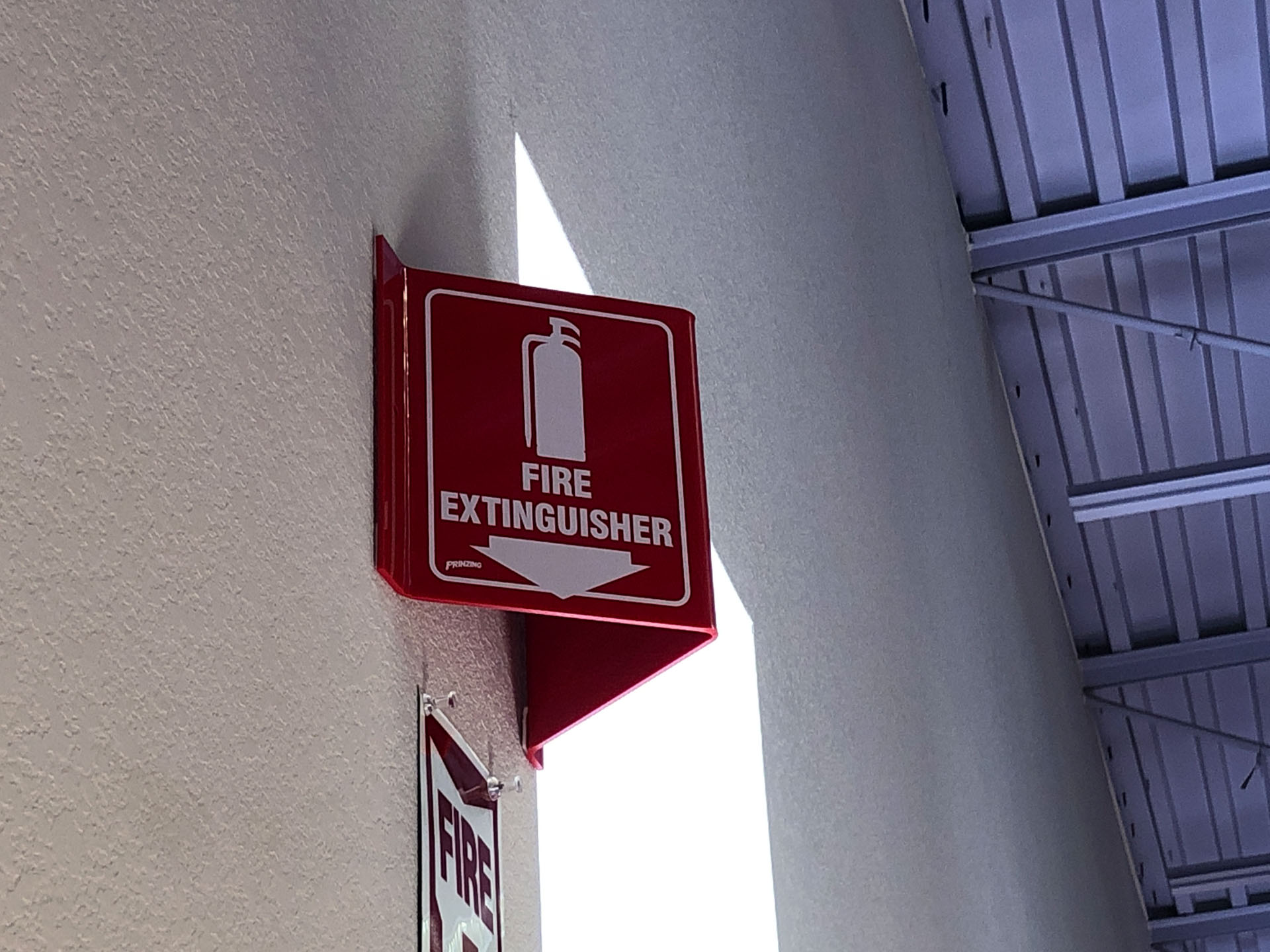
Easy-to-understand instructions should come with products meant to save lives.
But there are risks
Damaged lithium-ion batteries can be a safety hazard, especially on an airline. It is critical for airline crews to be able to quickly understand and react to fire hazards.
For example
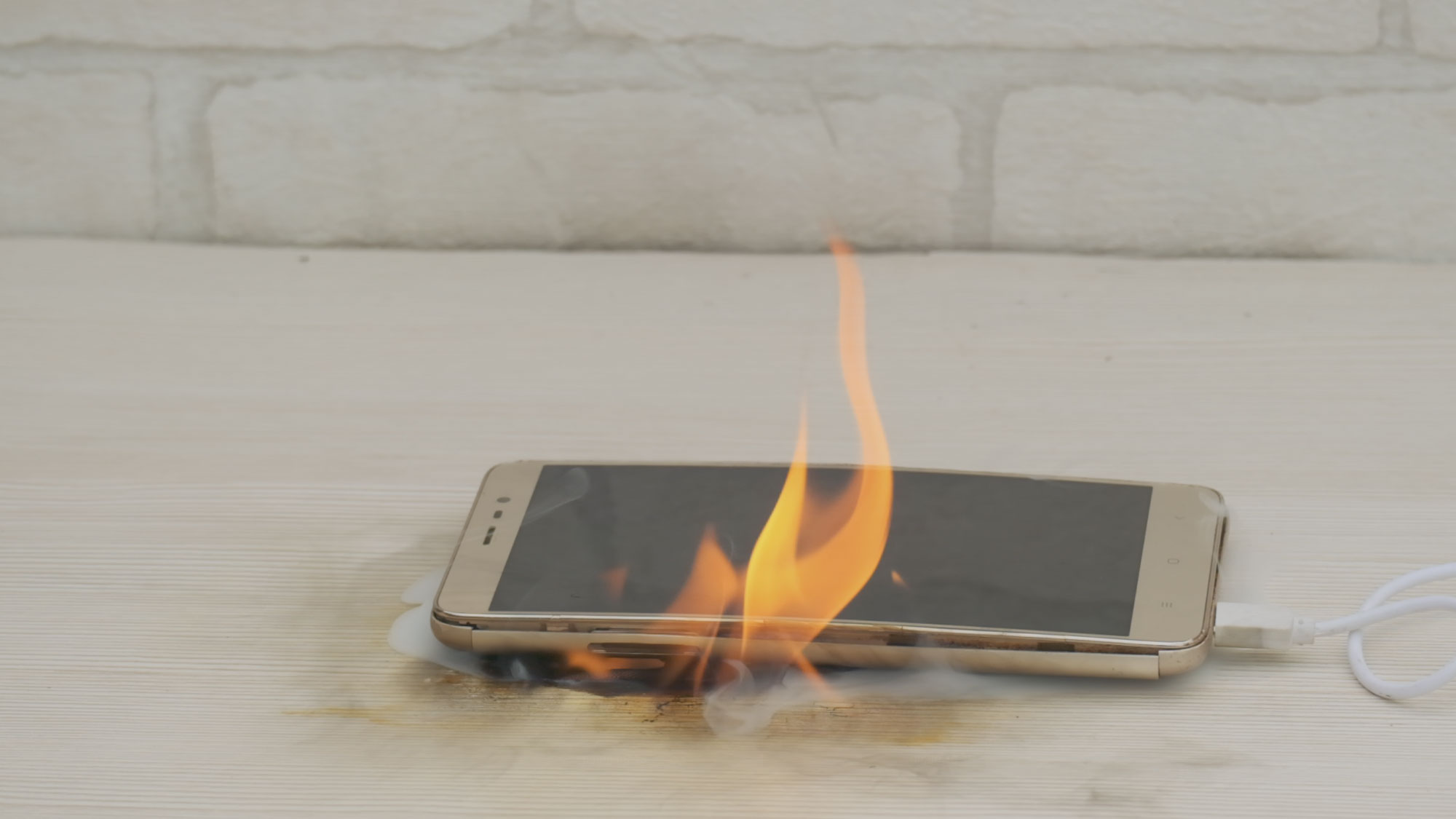
On average, there are two thermal runaway incidents that occur each week from lithium-ion battery-powered electronics on airlines.


What design choices make products accessible?
Background
Lithium-ion batteries are everywhere. The technology has allowed for portable power wherever we go, but the increasing prevalence of lithium-ion batteries in portable electronics elevates concerns about the possibility of thermal runaway.
Faults in lithium-ion cells caused by internal failures or external conditions can lead to thermal runaway 1 This can cause rapid, uncontrolled increases in temperature, which can then cause gas and smoke release, and even fire or explosions. Thermal runaway is self-propelling because it makes its own oxygen, and therefore traditional fire extinguishing methods are not effective on a battery undergoing thermal runaway. Thermal runaway is especially hazardous in contained spaces such as airplanes in flight.
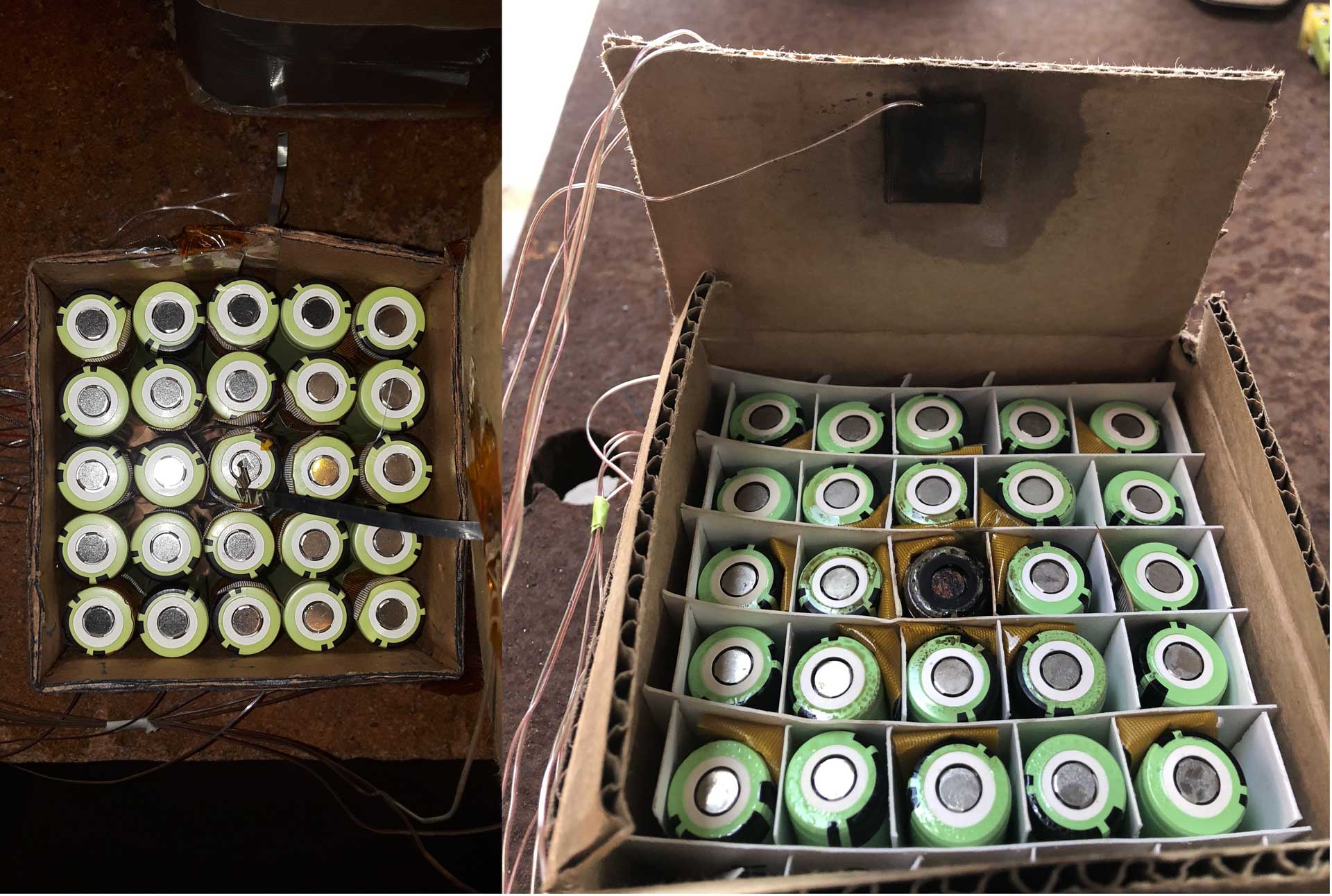
Figure 1. Example of a battery pack with a faulty battery.
Due to the significant risk of thermal runaway, the Federal Aviation Administration established regulations for the safe transport of lithium-ion batteries by passengers, including limitations on quantity, storage, and use.2 However, the possibility of thermal runaway incidents persists, highlighting the critical role of fire containment products as a safety measure onboard airplanes. In 2020, it was reported that there was a dramatic increase in thermal runaway incidents in commercial aviation.3 As a result, engineers created fire containment products to hold in gas, smoke, fire, and explosions, should a battery go into thermal runaway.
The effectiveness of fire containment products hinges on clear communication through easy-to-navigate instructions for use and product specification markings. In the case of thermal runaway incidents in the air, flight crews are the first responders and need to understand how to use the fire containment product quickly and effectively. Ambiguous instructions, overly complex systems, or a lack of accessibility can hinder the proper use of fire containment products during emergencies.
To address these potential issues, UL 5800, the Standard for Safety for Battery Fire Containment Products, details requirements for instructions, markings, and packaging of these products.
Question
How might the international ubiquity of airline travel among diverse populations impact usability decisions for fire containment product designers?
Problem
Fire containment products offer an on-demand tool for protecting the public from dangerous outcomes of thermal runaway. Effective use of the fire containment product is directly tied to user comprehension of the instructions, markings, and packaging. There are no mandated requirements for fire containment products to be certified or standardized, and difficulties in usage can arise.
Technical committees needed to decide directions, instructions, and pictograms to include in a standard to make it clear exactly how manufacturers need to mark their products to ensure maximum usability.
Question
To maximize usability for fire containment products, the technical committee for UL 5800 sought to clarify in a standard how manufacturers must mark their products.
What specific accessibility criteria are important for designers to consider?
- Clarity and conciseness: Technical instructions have the potential to be difficult to process and follow in high-pressure situations.
- Universality: Text-heavy user instructions limit users’ language accessibility. Similarly, visual impairments, color blindness, or dexterity limitations may impact ability to properly use the fire containment products.
- User stress: Fire containment products may be used when stress onboard is higher than average. Clear, concise text and pictograms are essential to clearly communicate steps to mitigate risk.
Approach
The seed document that the technical committee started with was the result of work done by UL Standards & Engagement, UL Research Institutes, and UL Solutions, and informed by a human interaction study by Emergo for UL. The study references the ease of use, training requirements for air crews on consumer airlines, and the personal protective equipment (PPE) required to safely operate the fire containment products.
To comply with UL 5800, manufacturers are required to provide standardized markings and instructions for their products. The technical committee required marking the product based on the device’s performance level rating. These certification levels relate to the size and power of the personal electronic device that the containment product can mitigate. They also relate to the ability of the device to contain all smoke or release small amounts of smoke. To comply, manufacturers must attach the markings to the containment product by permanent methods, such as metal stamping or etched labels, or through adhesive labels. The markings must be located on the outside of the fire containment product and placed on an area of the product away from any openings. The standard also requires manufacturers to include cautionary markings showing where venting occurs, and to indicate that these products have the risk to burn users.
Question
Consider the role of a designer for fire containment products used on airplanes. How would you indicate as clearly as possible that a product has the risk to burn a user?
Pictograms offer a universal language that can transcend language barriers. However, overly complex pictograms can be confusing or misleading.
- What is the optimal balance between pictograms and text instructions?
- How can pictograms be designed to be clear, concise, and easily understood by a broad user base with a wide range of languages, skills, and needs?
Solution
UL 5800 requires products to have complete operating instructions accessible by pictograms and text. User instructions need to be prominently featured on the product, with minimum size requirements for letter height. If there is any personal protective equipment required to operate the fire containment product, those instructions should be included as well.
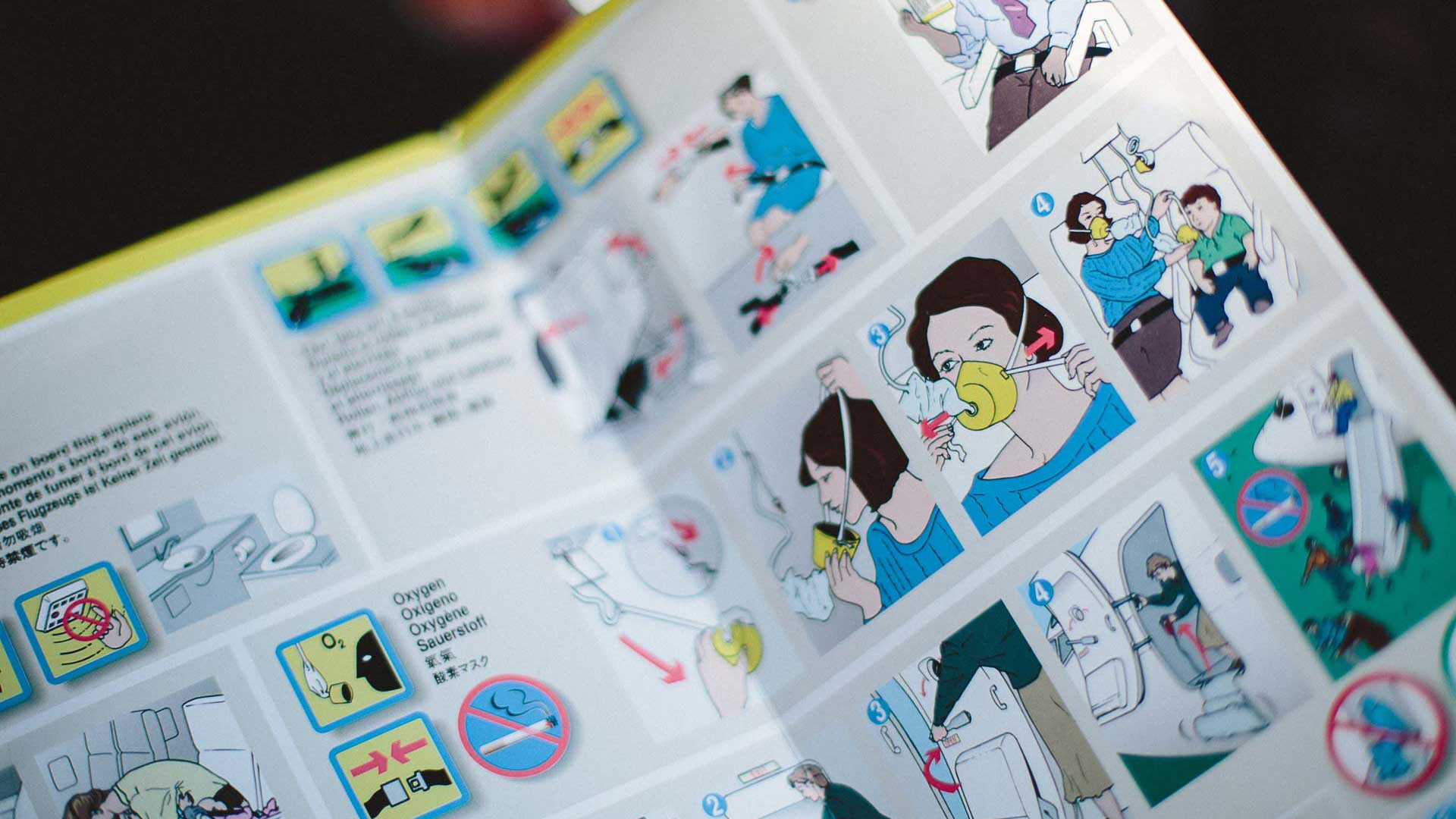
When displaying pictograms and text, it is important not to overload each pictogram with excessive amounts of instructions per image. If an emergency is occurring, minimizing confusion and streamlining the operation of the containment product is critical. Therefore, the standard requires that two written instructions are the maximum per pictogram.
The sequence of pictograms must also reflect the intended sequence of action for the users. That sequence must follow a logical order of operation that involves the user preparing the product, donning PPE, inserting the personal electronic device into the product, and sealing the containment product.
Discussion Questions
This case study focuses on containing lithium-ion battery fires specifically occurring during air travel. How might communication and accessibility challenges relate to safety standards in other contexts?
A standard is a critical tool for ensuring global problems are addressed through iterative, collaborative problem-solving.
This is just a small recap, and you are encouraged to view the standard, in full, for free, by creating an account at ShopULStandards.com and using the Digital View feature.
How to get involved
Share your expertise
UL Standards & Engagement is actively seeking all interested parties to participate in its standards development process and encourages diverse perspectives to join in by participating as a stakeholder. Stakeholders can submit, review, and comment on proposals for new standards or revisions to existing standards. While stakeholders do not vote, the TC considers their input during the standards voting process. Since standards affect everyone, all are welcome to participate as stakeholders. Register online through ULSE’s Collaborative Standards Development System.
Advance your career
Check out current internship and fellowship openings for opportunities to engage with standards professionals and to contribute to standards research and innovation.
References
UL Research Institutes. (2021, August 20). What causes thermal runaway? https://ul.org/research-updates/what-causes-thermal-runaway/
Federal Aviation Administration. (n.d.). PackSafe – lithium batteries. https://www.faa.gov/hazmat/packsafe/lithium-batteries
Kapp, E. A., Wroth, D. S., & Chapin, J. T. (2020). Analysis of thermal runaway incidents involving lithium batteries in U.S. commercial aviation. Transportation Research Record: Journal of the Transportation Research Board, 2674(11), 584–592. https://doi.org/10.1177/0361198120947711