- UL 9540
No Sun, No Wind, No Problem — How Standards Support Battery Energy Storage System Safety
UL 9540, the Standard for Energy Storage Systems and Equipment, is a safety standard that provides construction and testing requirements for energy storage systems.
Abstract
Battery energy storage systems (BESS) have an important role in climate change mitigation by offering industries, communities, and individual consumers renewable energy options in place of traditional fossil fuels. This technology allows energy to be captured from renewable sources and stored for later use, eliminating the issue of intermittent sun, wind, or other renewable availability. However, most BESS installations currently run on lithium-ion batteries (LIBs), which are associated with safety hazards such as thermal runaway. In response to the number of BESS failure incidents around the world and the need to support technology that lessens our dependence on fossil fuels and decreases climate change impacts, UL Standards & Engagement published the first edition of UL 9540, the Standard for Energy Storage Systems and Equipment, in November 2016. Compliance with this standard requires electrical, mechanical, and environmental system performance safety tests for energy storage systems so they may more safely receive, store, and provide electrical energy to an electric power system when needed. Safety standards such as UL 9540 help decrease the risk of thermal runaway and other safety hazards while increasing energy options.
Learning Objectives
- Understand the role battery energy storage systems have in reducing reliance on fossil fuel energy sources
- Apply knowledge of battery energy storage system technology to evaluate personal energy storage options and decisions
- Identify how safety standards can address safety hazards posed by energy storage systems that make use of lithium-ion battery technology
- Analyze how safety standard guidelines can support product design and development
- Evaluate the role of safety standards in energy storage system project risk assessment


Real-world context
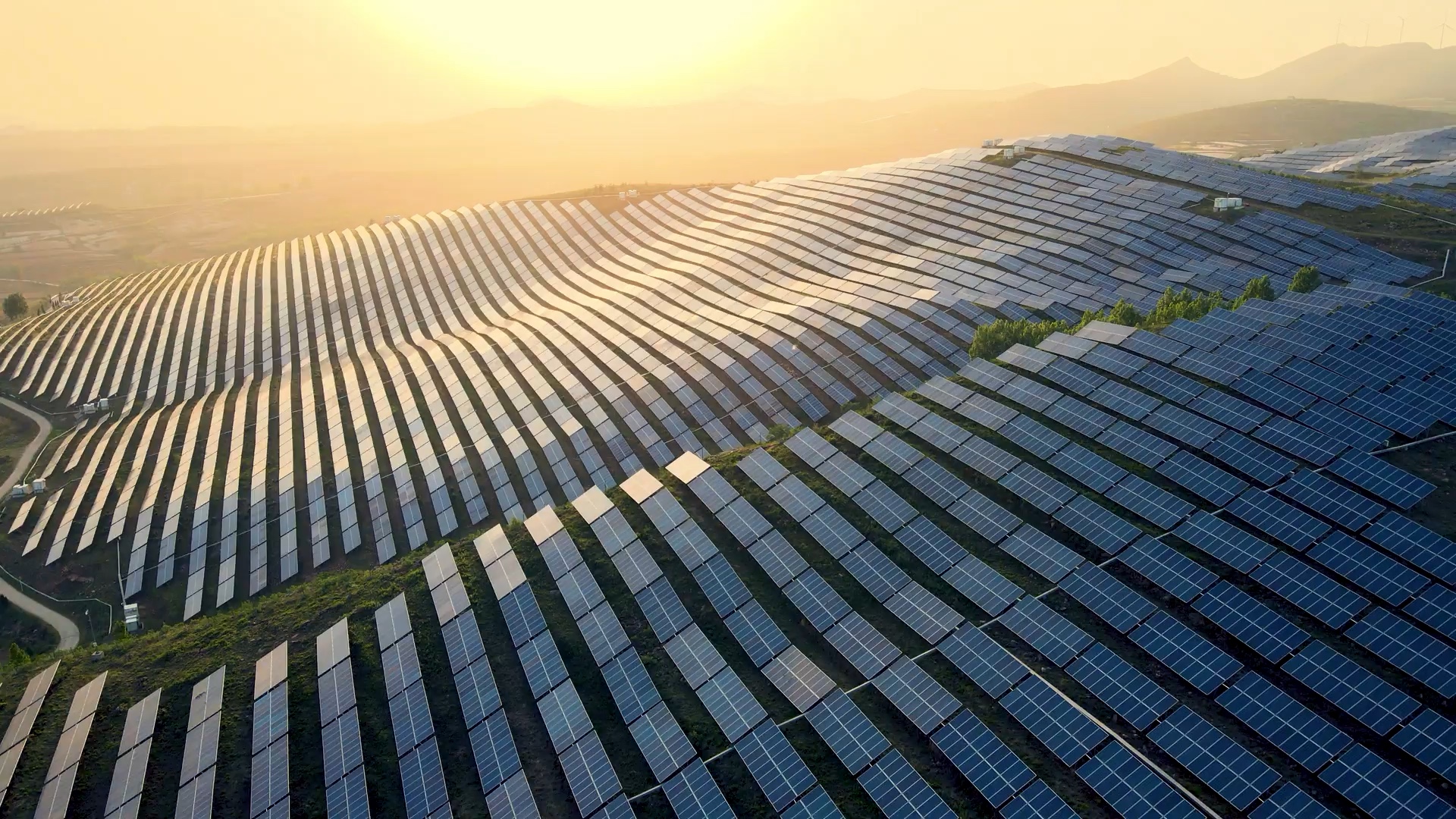
From 2023 to 2024, energy storage system installations in the U.S. significantly increased in response to growing energy demand and a need for cleaner alternatives to fossil fuels.
But there are risks
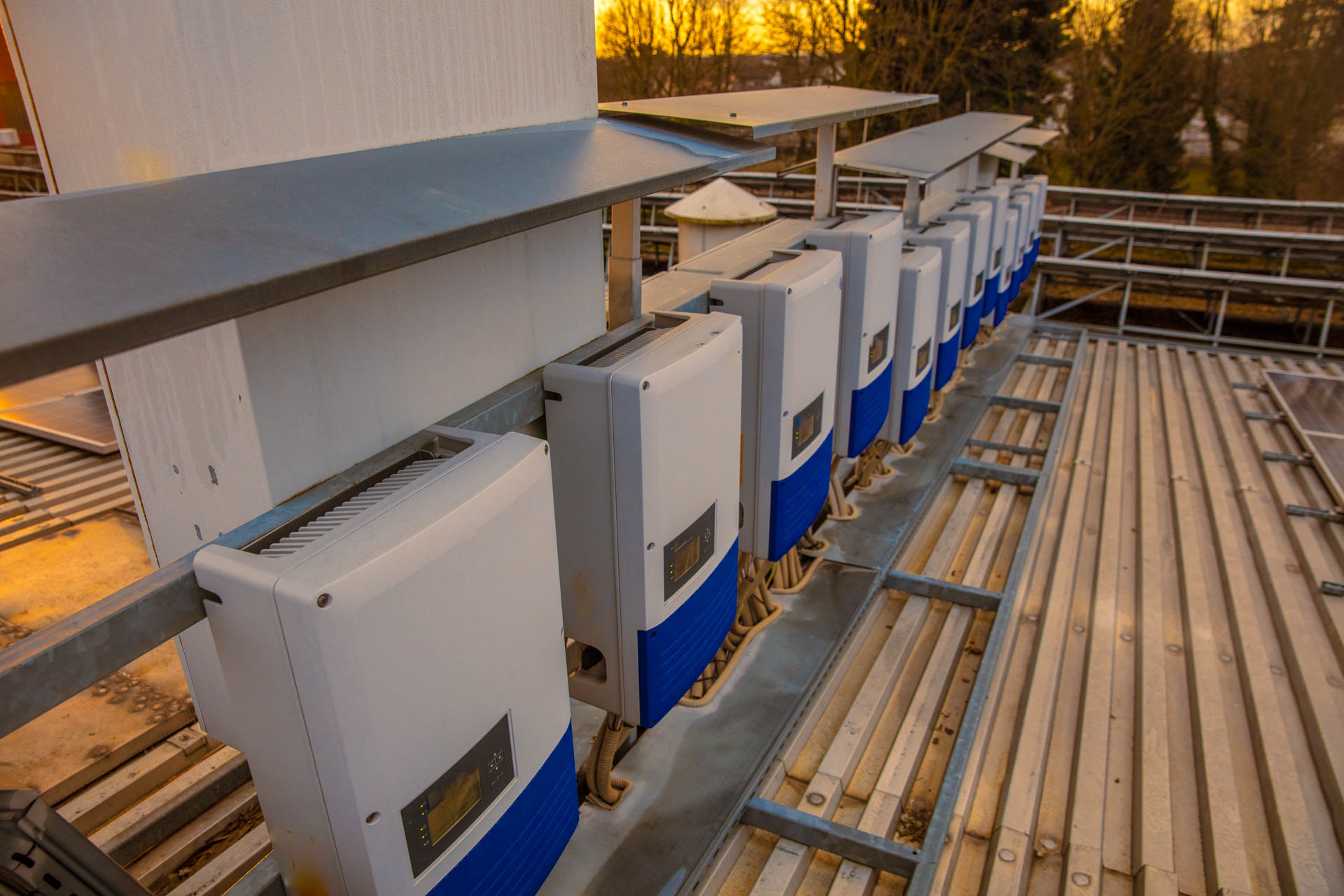
Many energy storage systems are powered by lithium-ion batteries. Despite their positive attributes, lithium-ion batteries are prone to overheating and failures that may cause thermal runaway.
For example
An explosion in 2019 at the APS McMicken Battery Energy Storage System in Surprise, Arizona, injured firefighters and hazardous materials responders. Battery failure caused an explosion and fire from thermal runaway that could not be stopped by the current fire suppression system.

If battery-powered energy storage system technology is essential to meet increasing energy demands, how can we address current lithium-ion battery hazards in such systems?
Background
Imagine powering your entire community with only renewable energy sources. There would be no further need for mining coal, digging oil wells, or building pipelines. Instead, all your energy needs would be met by harnessing the power of wind, sun, water, vegetation, and geothermal heat. A world that runs entirely on renewable energy may not be possible yet, but shifting a greater fraction of global energy needs from fossil fuel to renewable energy sources is an increasingly popular approach supportive of lowering carbon dioxide (CO2) emissions. To prevent surpassing the worst-case scenarios of climate change, many countries have established goals to not only lower CO2 emissions, but to reach net zero carbon emissions by 2050.1
While renewable energy sources are critical in the movement to lower CO2 emissions, a challenge of incorporating more renewable energy sources is that many are not consistently available to meet energy demands. While plentiful as sources of energy, the sun does not always shine, the wind does not always blow, and rivers may only flow seasonally. Likewise, people tend to have greater energy requirements at different times of the day and throughout the year. To address these inconsistencies between supply and demand, there is a growing need for technologies that can capture renewable energy when it is available and store it for times when it is needed.
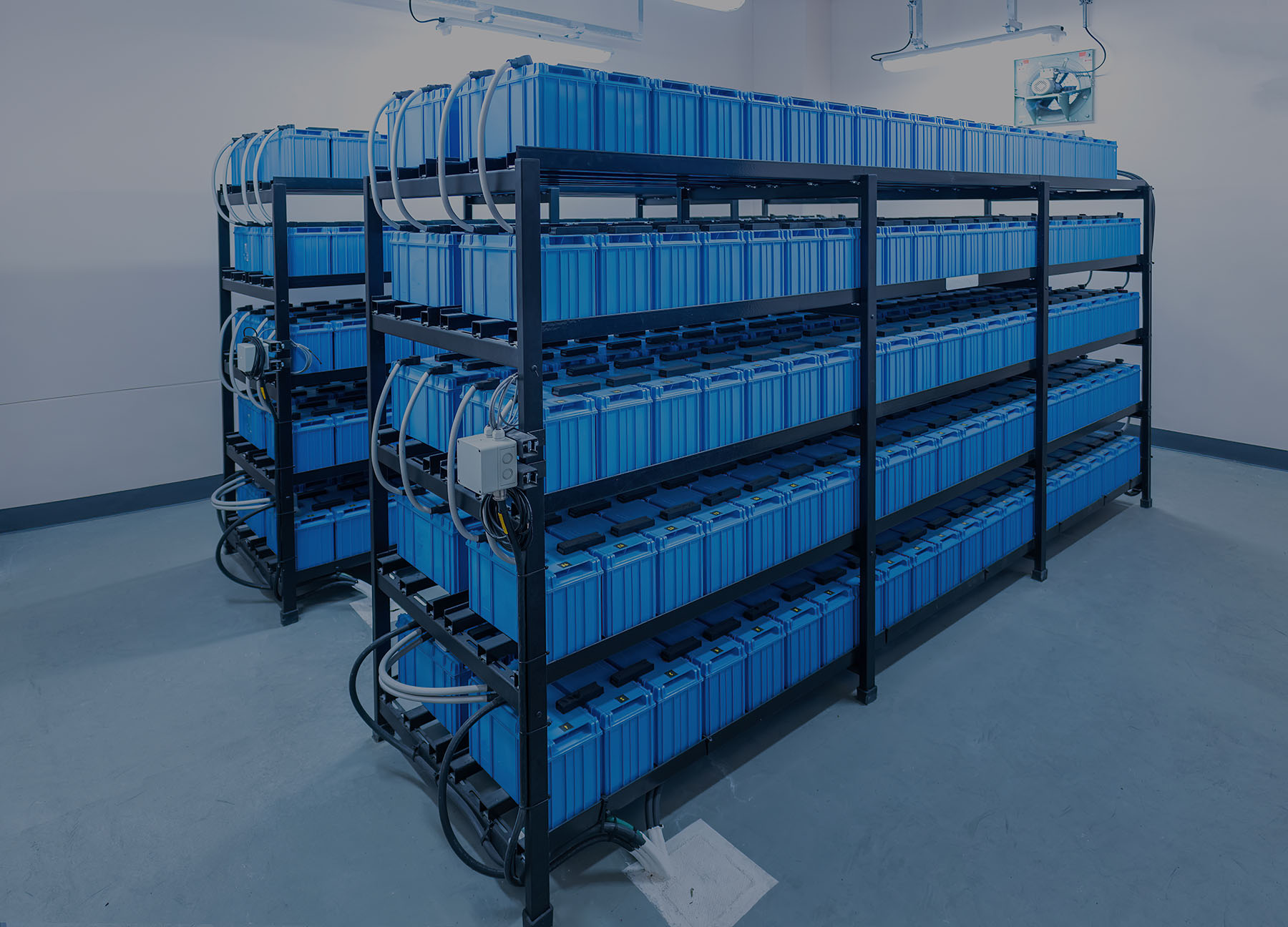
Energy storage systems (ESSs) are one such technology that work by capturing renewable energy when it is available and releasing it as electricity to the grid when it is needed. A battery energy storage system (BESS) is a specific type of ESS that uses an arrangement of rechargeable batteries and other electrical equipment to store electrical energy. BESSs that run on lithium-ion batteries (LIBs) have become increasingly popular due to their high-power density relative to other types of batteries.2
A LIB is a type of rechargeable electrochemical battery that charges and discharges when lithium ions move back and forth through an electrolyte between a positively charged electrode (the cathode) and a negatively charged electrode (the anode). The construction of a BESS starts at the simplest level as a single battery or cell. To increase a BESS’s capacity, multiple cells are connected to create a module. Multiple modules are then connected to create a pack that is controlled by a battery management system (BMS), and finally, multiple packs are combined to store and deliver an amount of energy suitable to the intended use of the BESS (e.g., a residential or commercial use).3 The BMS monitors and maintains state-of-health parameters such as temperature, current, voltage, and charging and discharging behavior of the cells, modules, and packs.3
Question
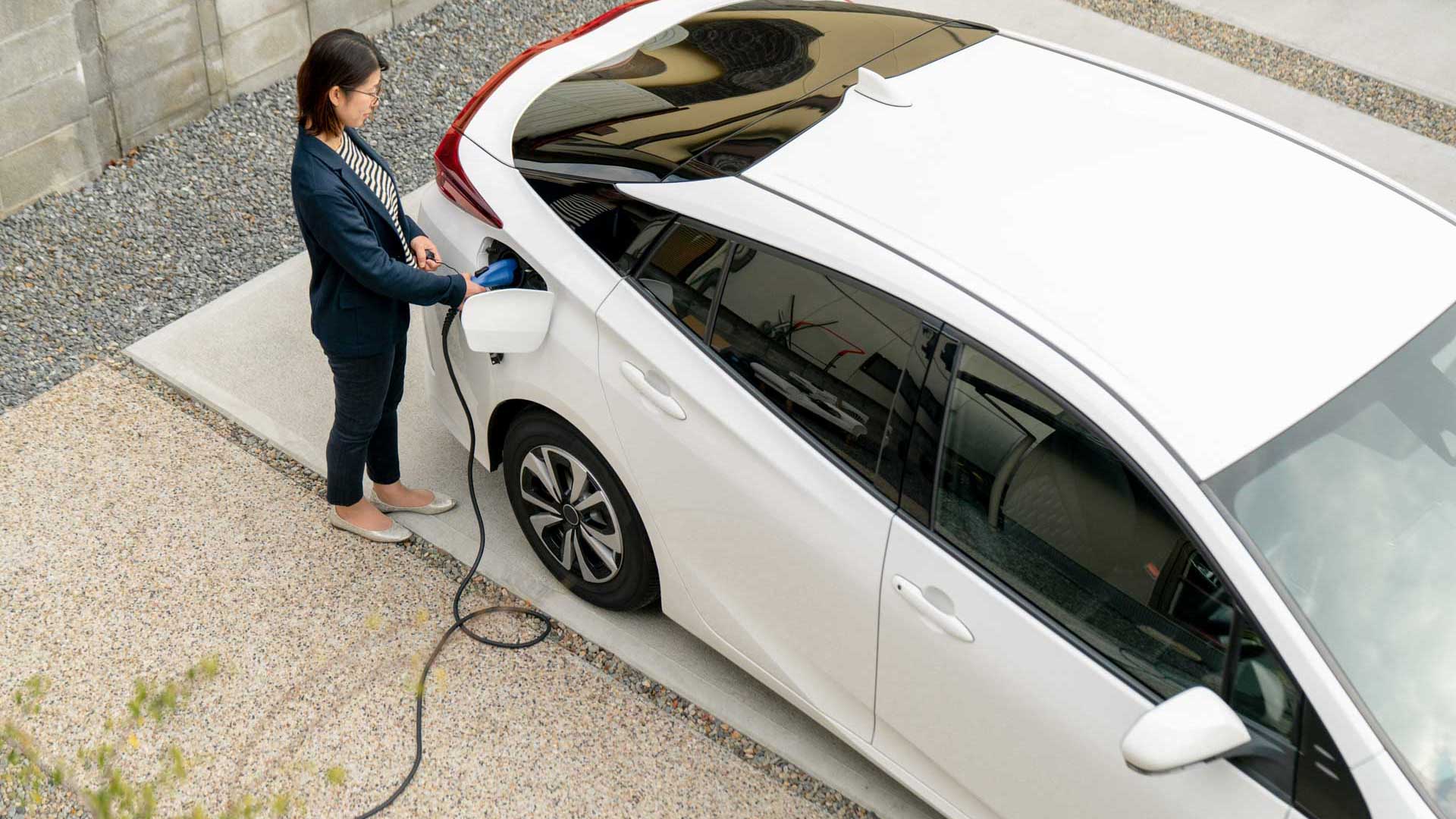
Have you ever experienced a time when you didn’t have access to enough energy? What are some example situations at home or in your community when having an energy storage system could be helpful for meeting all of your energy needs?
Problem
While there are many benefits to battery energy storage system (BESS) technology, there are also hazards to understand and manage. Lithium-ion batteries (LIBs) present unique fire management challenges due to the reactive nature of their various chemistries. This makes LIBs prone to overheating, potentially leading to thermal runaway. Off-nominal conditions that can result in overheating and potentially disastrous events in LIB-containing devices include electrical, mechanical, and environmental hazards.4 These hazards may originate from a short circuit, mechanical damage such as vibrations or punctures, or environmental stressors such as overheating or natural disasters.4,5
Any of these hazards can disrupt the enclosed electrolyte, causing an internal short circuit and the stored chemical energy in the battery to be converted to thermal energy, which may trigger a thermal runaway event and the release of flammable and toxic gases, leading to fire and explosion. 2 This phenomenon occurs when LIBs experience a “runaway state” exothermic chemical reaction in which the heat released will continue to fuel the exothermic reaction, which releases more heat, perpetuating the cycle and producing a rate of heat generation greater than the rate at which heat can dissipate from the battery.5 This runaway state will continue until the thermal and electrochemical energy contained in the battery is entirely consumed.
LIB thermal runaway is a serious hazard for any LIB-containing device. The additional concern for LIBs in BESSs is the potential for thermal runaway propagation from cell to cell, module to module, and unit to unit in larger setups.5 BESS failure events are tracked in the publicly available BESS Failure Incident Database, including one notable event, the APS McMicken Battery Energy Storage System explosion, which demonstrated the extent to which thermal runaway can propagate in a BESS where appropriate safety measures, such as a thermal suppression system, thermal barriers between cells, and sufficient ventilation for off-gassing have not been integrated into the design of the BESS.6 When a HAZMAT team entered the BESS, an explosion occurred, seriously injuring firefighters.7
Incidents such as the McMicken event highlight the challenges local planning and zoning officials face when deciding where to install BESSs and how to mitigate potential safety issues in their community. This challenge is compounded by the fact that residential BESS units are small, modular, and typically have limited infrastructure needs, meaning a BESS can be built nearly anywhere.8 While installation flexibility may sound positive, many jurisdictions currently lack knowledge on how to respond to the risks associated with BESSs, leading to energy system projects being withdrawn,9,10 or even banned.11,12
Question
If work on a new BESS installation project was up for a vote in your community, what would you want to know when making your decision to be in favor or against the project?
Approach
Recognizing the growing need to make renewable energy options more accessible while also addressing current energy storage system safety hazards, an Outline of Investigation for Energy Storage Systems and Equipment, UL 9540, was written in July 2014. UL Standards & Engagement convened an initial group of 30 stakeholders as a technical committee (TC) to make recommendations that would continue to develop the outline of investigation and move it forward to publication. In 2016, the first edition of UL 9540 was released as the Standard for Safety of Energy Storage Systems and Equipment.

Over time, the UL 9540 TC has grown to become the largest TC of any UL standard with nearly 150 members from 15 different countries as of 2025. Such growth in TC membership reflects the rising interest in energy storage systems (ESSs) across many sectors. This includes commercial/industrial users, producers, supply chain representatives, testing and standards experts, state government agencies, authorities having jurisdiction (e.g., municipalities), and other interest groups. It also shows that many stakeholders want to see improved safety guidelines for ESSs and view participation in the TC as a way to share their expertise and contribute to shaping ESS safety standards. TC members worked together to improve the first edition and make proposals and recommendations reflective of the most up-to-date industry knowledge on ESSs, to ultimately support creating the best safety standard possible to protect people and their communities. The continued efforts of the TC would lead to publication of the second edition of UL 9540 in February 2020 and the third edition in April 2023.
Question
If you were leading a team responsible for designing and developing an energy storage system project, how would applying the safety considerations of a standard like UL 9540 help your team streamline the development process and gain a market advantage?
Solution
Testing for safety
While electrochemical energy storage systems (i.e., lithium-ion battery energy storage systems) are the focus of many ESS hazards, UL 9540 also covers chemical, mechanical, and thermal ESSs. In addition to multiple types of ESSs, UL 9540 also covers installation options for ESSs, such as stationary indoor and outdoor installations and mobile ESSs used in residential and commercial installations.
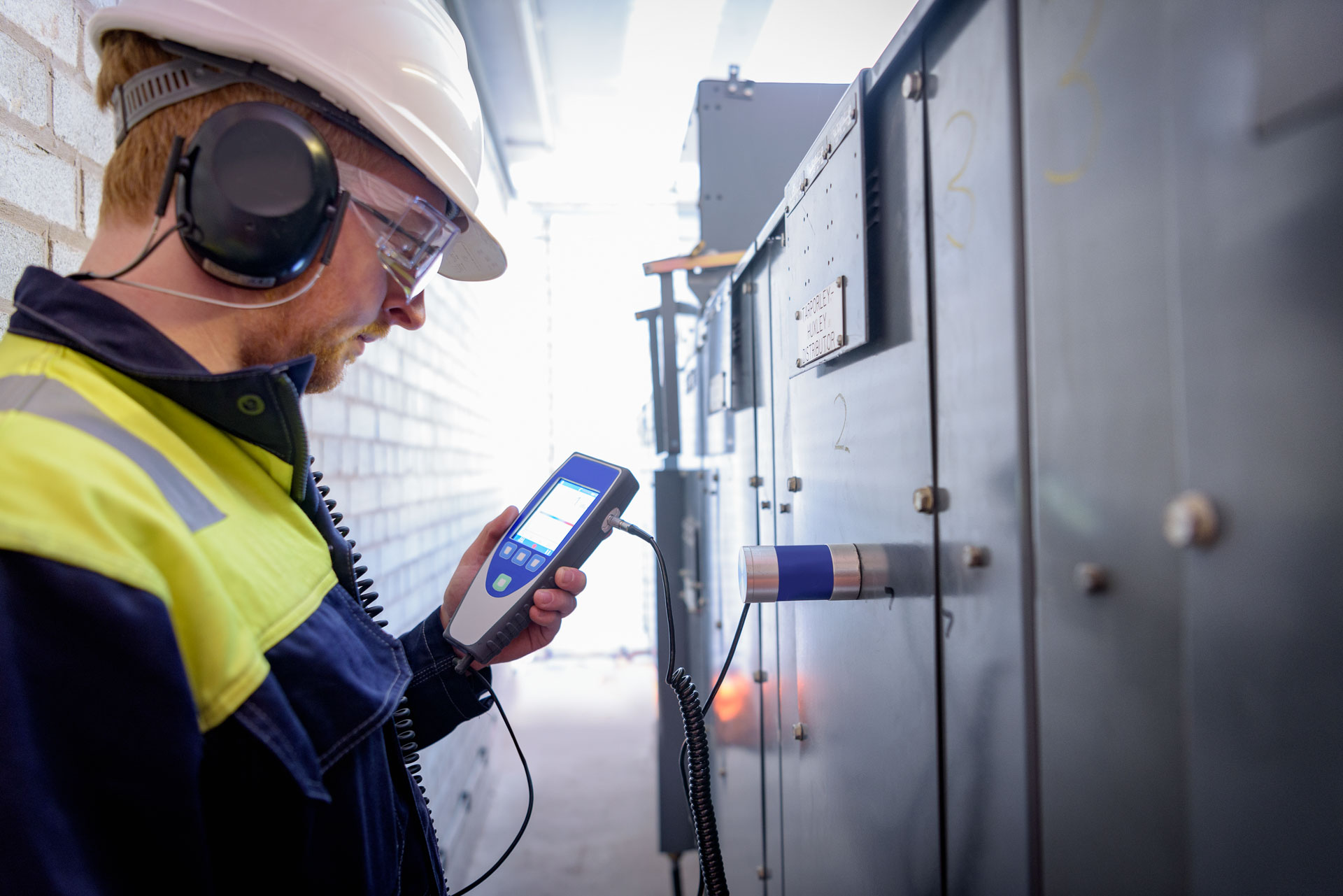
The UL 9540 standard addresses the safety of energy storage systems by describing the construction requirements for an ESS, as well as performance requirements during various test procedures. These include:
- Electrical tests (e.g., charge and discharge processes; testing under abnormal temperature, fluid, and pressure conditions to push the ESS into failure while noting how well internal protective controls work to prevent fire, explosion, and other hazards)
- Mechanical tests (e.g., testing how well moving parts function; how well internal controls prevent parts from going into overspeed)
- Environmental tests (e.g., moisture exposure tests for outdoor installations; special environmental installations such as exposure to salt fog in marine environments, seismic events, high altitudes)
UL 9540 is a system-level standard, which requires that all components of an ESS must be tested together to ensure their safer function, as opposed to testing their parts individually and assuming they will work safely when integrated as a system. As such, all these tests evaluate the risk for the overall ESS to experience safety issues like fire, explosion, electrolyte leakage, electric shock, and loss of overall protection controls.
Community safety through standards and codes
In energy storage system projects, both standards and codes have an important role in ensuring the safety, reliability, and proper functioning of the system. Since the initial publication of UL 9540, the International Fire Code, International Building Code, and National Fire Protection Association 1 and 855 fire codes have all required that electrochemical ESSs be listed to UL 9540. This relationship highlights that standards complement codes in that “codes tell you what needs to be done, while standards tell you how to do it”.13
As installation code requirements are updated to reflect new industry advancements through research and testing, UL 9540 also evolves to better meet the safety needs of industry and the regulatory community. For example, the energy storage capacity of BESSs and the separation requirements between units of batteries in the systems were updated in the second edition of UL 9540. At the same time, UL 9540 also added a requirement for BESSs to be subjected to large scale fire testing in accordance with UL 9540A, the Standard for Test Method for Evaluating Thermal Runaway Fire Propagation in Battery Energy Storage Systems, to determine compliance with limitations for energy capacity and separation distances for electrochemical ESSs in accordance with the fire and installations codes. The UL 9540A test method addresses the safety concerns of potential fire and explosion hazards associated with residential and non-residential use BESSs.
The UL 9540A test method intentionally attempts to push a BESS into thermal runaway to evaluate how the battery technology performs under failure and to observe if and how fire spreads through the unit and if the fire propagates to adjacent units. The test method includes a series of progressively larger fire tests, beginning at the cell level, and if thermal runaway is achieved, the test progresses to the module level, unit level, and finally, the installation level 3. Data obtained during the tests include gas composition, heat and gas release rates, deflagration hazards, reignition hazards, and effectiveness of fire protection systems 5. Collected data are then used by manufacturers, system designers, safety professionals, and permitting authorities to determine the required ventilation, fire and explosion protection equipment, separation distances between individual BESS, manufacturer’s installation instructions, and what fire strategy and tactics should be considered if a failure event should occur for an ESS installation.2
While risk can never be entirely removed from BESS installations, applying guidelines from standards like UL 9540 and collecting data from tests like UL 9540A allows an energy storage system to be designed, built, and operated in such a way that if it does fail, it can fail relatively safely. This was illustrated during a fire caused by a cooling system leak at an Australian commercial-scale Tesla BESS facility in July 2021. When one of the project’s 212 units caught fire, proper spacing contained the failure to the originating unit. However, the fire caused minor damage to a neighboring unit, which was attributed to high wind speeds that reached up to three times the wind speeds used in the UL 9540A tests.14 While this was considered a safe failure, it also demonstrated the ongoing need for iterative evaluation and improvements to standards and testing procedures as failure incidents teach us how to navigate gaps in our knowledge and integrate complexities, such as local climate variables in the Australian example.
Question
In evaluating risk of planning where to install a potential BESS project, what do you think impacts risk more — the distance of the BESS from other structures or the total number of units that make up the BESS?
A standard is a critical tool for ensuring global problems are addressed through iterative, collaborative problem-solving.
This is just a small recap, and you are encouraged to view the standard, in full, for free, by creating an account at ShopULStandards.com and using the Digital View feature.
How to get involved
Share your expertise
UL Standards & Engagement is actively seeking all interested parties to participate in its standards development process and encourages diverse perspectives to join in by participating as a stakeholder. Stakeholders can submit, review, and comment on proposals for new standards or revisions to existing standards. While stakeholders do not vote, the TC considers their input during the standards voting process. Since standards affect everyone, all are welcome to participate as stakeholders. Register online through ULSE’s Collaborative Standards Development System.
Advance your career
Check out current internship and fellowship openings for opportunities to engage with standards professionals and to contribute to standards research and innovation.
Discussion Questions
- Technological advancements are often not available to all communities. How do you think energy storage technology does or doesn’t support equitable access to energy?
- If your university was interested in evaluating the potential installation of a BESS on campus and you were invited to lead the BESS task force, what stakeholders would you bring together and what factors would your task force need to consider?
How to get involved
Share your expertise
UL Standards & Engagement is actively seeking all interested parties to participate in its standards development process and encourages diverse perspectives to join in by participating as a stakeholder. Stakeholders can submit, review, and comment on proposals for new standards or revisions to existing standards. While stakeholders do not vote, the TC considers their input during the standards voting process. Since standards affect everyone, all are welcome to participate as stakeholders. Register online through ULSE’s Collaborative Standards Development System.
Advance your career
Check out current internship and fellowship openings for opportunities to engage with standards professionals and to contribute to standards research and innovation.
Glossary
- Battery energy storage system (BESS)
A rechargeable battery system that stores renewable forms of energy, such as from wind and solar, and then releases that energy when needed.
- Capacity
A measure of the amount of electricity a battery can store and deliver, usually reported in watt-hours (Wh) or ampere-hours (Ah).
- Energy storage system (ESS)
A device or system that receives, stores, and releases energy when needed. There are multiple kinds of ESS: electrochemical, chemical, mechanical, thermal, and flywheel.
- Kilowatt hour (kWh)
A unit of energy that measures the amount of electricity used by an electrical device over a period of time.
- Lithium-ion battery (LIB)
A rechargeable battery that stores energy by moving lithium ions between its anode and cathode electrodes.
- Net zero
A condition where there is a balance between the amount of greenhouse gases being released into the atmosphere and the amount removed from the atmosphere. Reaching this state is an internationally agreed upon goal for mitigating global warming.
- Thermal runaway
One of the primary risks related to lithium-ion batteries; a phenomenon in which the lithium-ion cell enters an uncontrollable, self-heating state. Thermal runaway can result in the following: ejection of gas, shrapnel and/or particulates (violent cell venting); extremely high temperatures; smoke; and fire.
References
- United Nations Environment Programme. (2024). Emissions Gap Report 2024: No more hot air…please! With a massive gap between rhetoric and reality, countries draft new climate commitments. https://doi.org/10.59117/20.500.11822/46404
- Conzen, J., Lakshmipathy, S., Kapahi, A., Kraft, S., DiDomizio, M. (2023). Lithium ion battery energy storage systems (BESS) hazards. Journal of Loss Prevention in the Process Industries, 81, 104932. https://doi.org/10.1016/j.jlp.2022.104932
- Close, J., Barnard, J. E., Chew, Y. M. J., Perera, S. (2024). A holistic approach to improving safety for battery energy storage systems. Journal of Energy Chemistry, 92, 422-439. https://doi.org/10.1016/j.jechem.2024.01.012
- Jeevarajan, J. A., Joshi, T., Parhizi, M., Rauhala, T., & Juarez-Robles, D. (2022). Battery hazards for large energy storage systems. ACS Energy Letters 2022 7 (8), 2725-2733. https://doi.org/10.1021/acsenergylett.2c01400
- Mylenbusch, I. S., Claffey, K., & Chu, B. N. (2023). Hazards of lithium‐ion battery energy storage systems (BESS), mitigation strategies, minimum requirements, and best practices. Process Safety Progress, 42(4), 664-673. https://doi.org/10.1002/prs.12491
- Hill, D. (2020). McMicken Battery Energy Storage System Event: Technical Analysis and Recommendations. United States: DNV GL Energy Insights USA, Incorporated. https://www.aps.com/-/media/APS/APSCOM-PDFs/About/Our-Company/Newsroom/McMickenFinalTechnicalReport.pdf?la=en&sc_lang=en&hash=5447FA391CD988DD24226FA485F81F23
- McKinnon, M. B., DeCrane, S., Kerber, S. (2020). Four firefighters injured in lithium-ion battery energy storage system explosion-Arizona. Underwriters Laboratories, Firefighter Safety Research Institute. https://doi.org/10.54206/102376/tehs4612
- Twitchell, J. B., Powell, D. W., Paiss, M. D. (2023). Energy storage in local zoning ordinances. Pacific Northwest National Laboratory. https://www.pnnl.gov/publications/energy-storage-local-zoning-ordinances
- Allee, D. (2020). Proposed battery storage project in Littleton community comes to a halt as company withdraws application [Radio broadcast]. New Hampshire Public Radio. https://www.nhpr.org/nh-news/2020-02-19/proposed-battery-storage-project-in-littleton-comes-to-a-halt-as-company-withdraws-application
- Poli, D. (2024, Aug 6). New Leaf Energy nixes controversial battery storage project in Wendell. Daily Hampshire Gazette. https://www.gazettenet.com/New-Leaf-Energy-nixes-controversial-battery-storage-project-in-Wendell-56405485
- Colthorpe, A. (2022, July 18). Massachusetts authorities host public comment hearings for 800 MWh of battery storage. Energy Storage News. https://www.energy-storage.news/massachusetts-authorities-host-public-comment-hearings-for-800mwh-of-battery-storage/
- Lewis, A. (2024, July 30). New York unveils proposed rules to improve safety of battery energy storage systems. Riverhead Local, https://riverheadlocal.com/2024/07/30/new-york-unveils-proposed-rules-to-improve-safety-of-battery-energy-storage-systems/
- Paiss, M. D., Franks, R. J., Searles, C. G., Twitchell, J. B., Vartanian, C. K., Ropp, M., & Sprenkle, V. L. (2022). Study of codes & standards for energy storage systems: A report to Congress. Pacific Northwest National Laboratory. https://doi.org/10.2172/1985701
- Aydin, M. G. & Aydin, C. O. (2023). California Public Utilities Commission Energy Storage Procurement Study. Lumen Energy Strategy, LLC. Prepared for the California Public Utilities Commission. May 31, 2023. www.lumenenergystrategy.com/energystorage