- UL 217
Keep Smoke Alarms Functioning!
Abstract
Smoke detector and alarm installation is required in new buildings by building code, and yet, once residents are in a home, they might find the alarm is too sensitive and goes off when there is not an actual fire threat. False alarms, called “nuisance alarms,” from cooking, steam, or dust, can cause consumers to deactivate or even remove life-saving smoke alarms if they become too annoying. Research on these nuisance alarms and on the combustion of modern building and furnishing materials, informed changes to UL 217, the Standard for Smoke Alarms, to help reduce nuisance alarms and keep smoke alarms operational in homes.
Learning Objectives
- Understand the significance of working individual stand-alone smoke detectors and alarms in the home
- Apply knowledge of different kinds of smoke detectors and make a judgment call about who should oversee the types of smoke detectors that are used in homes
- Identify the hazards of nuisance alarms
- Analyze the perspectives of various stakeholder groups to debate the impact of updating safety standards on their livelihoods and health
- Evaluate the costs and benefits of updating legacy standards to meet modern concerns with new technologies


Real-world context
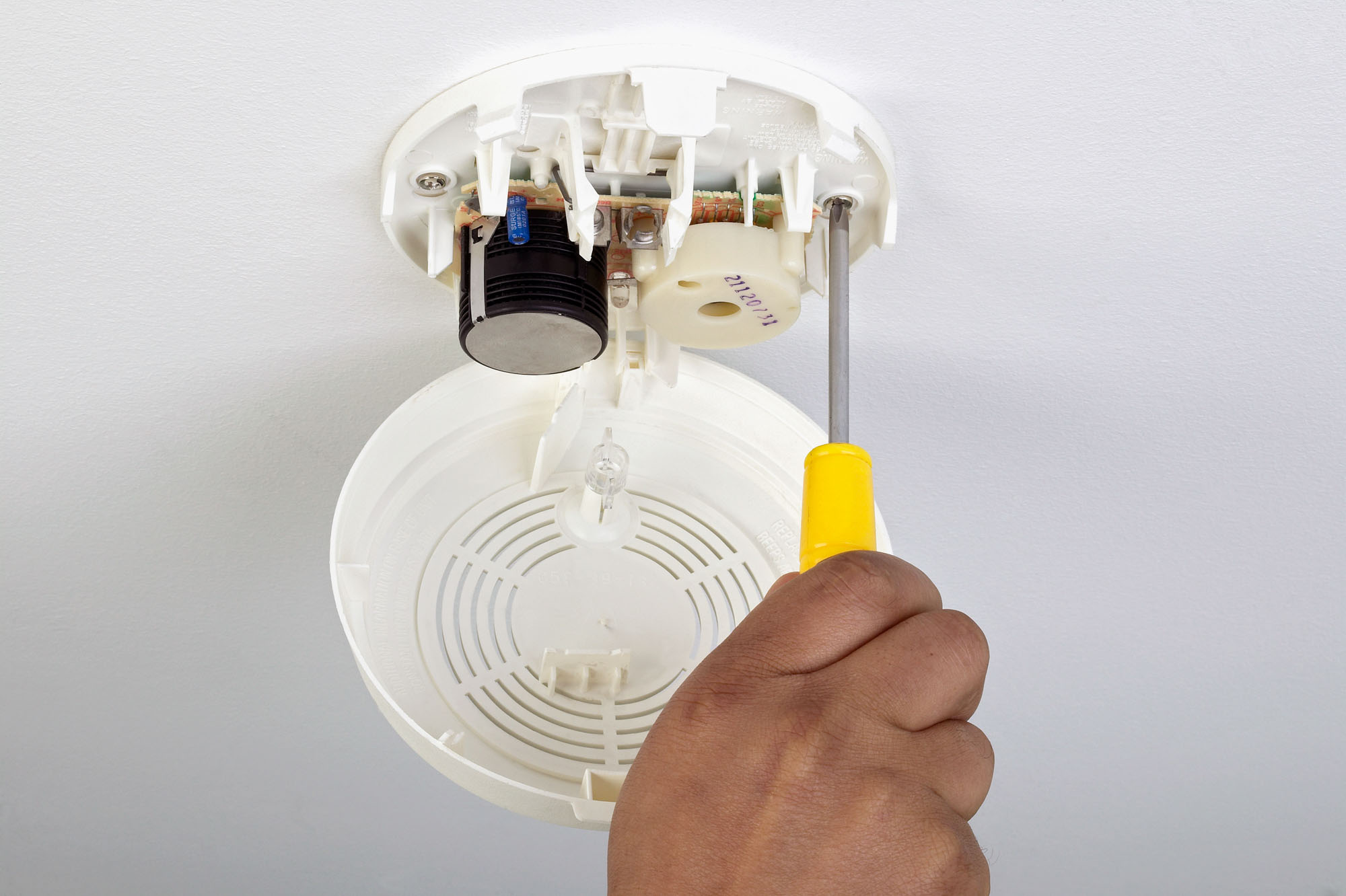
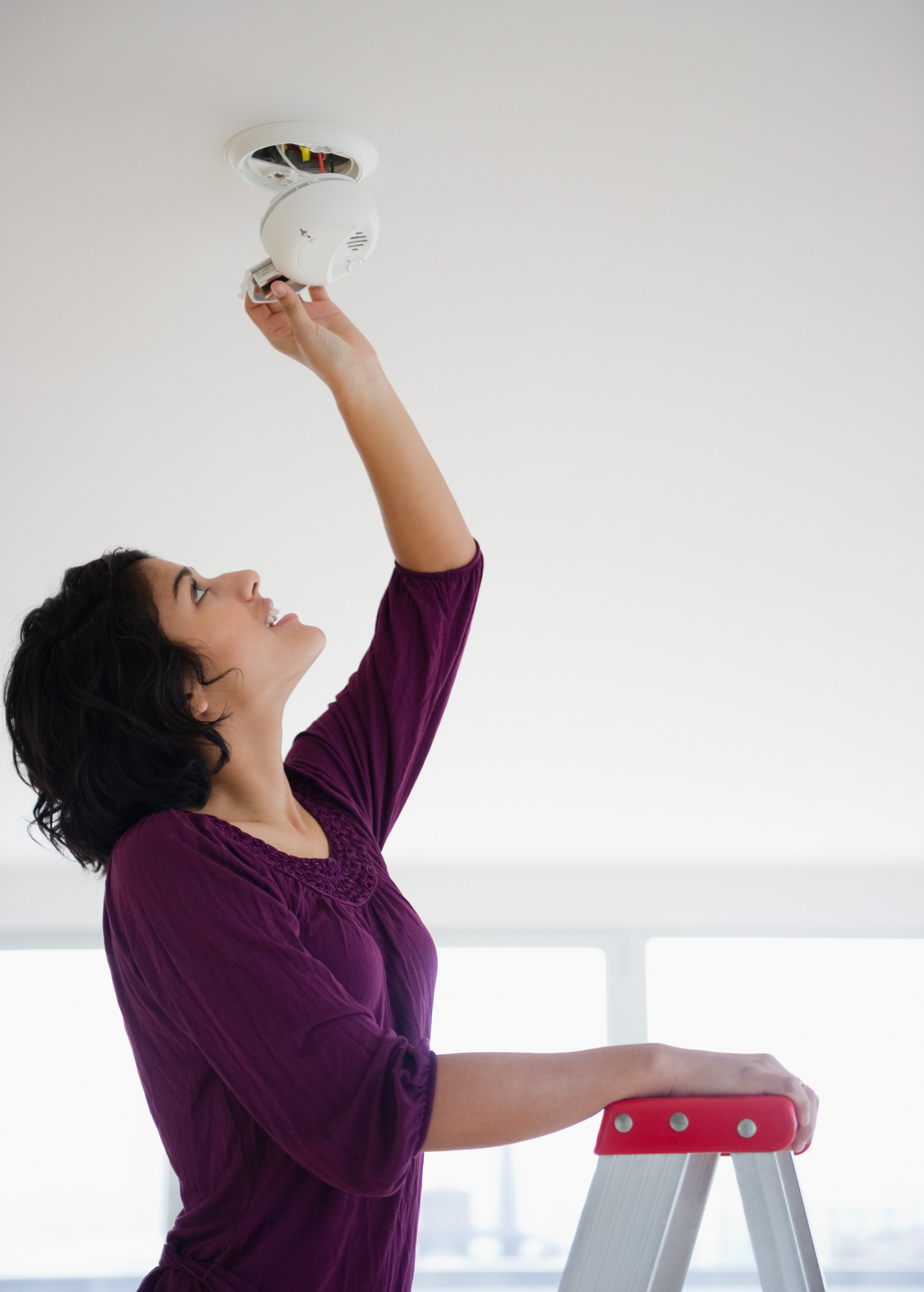
Smoke alarms function well when they’re installed and powered appropriately. The standards of use (combined with building codes) have been in place for decades.
But there are risks
But smoke alarm sensitivity can vary, and if the alarm goes off when there is not a fire, then people may power off their alarms or ignore the sound of the alarm, reducing their warning in a real fire situation.
For example
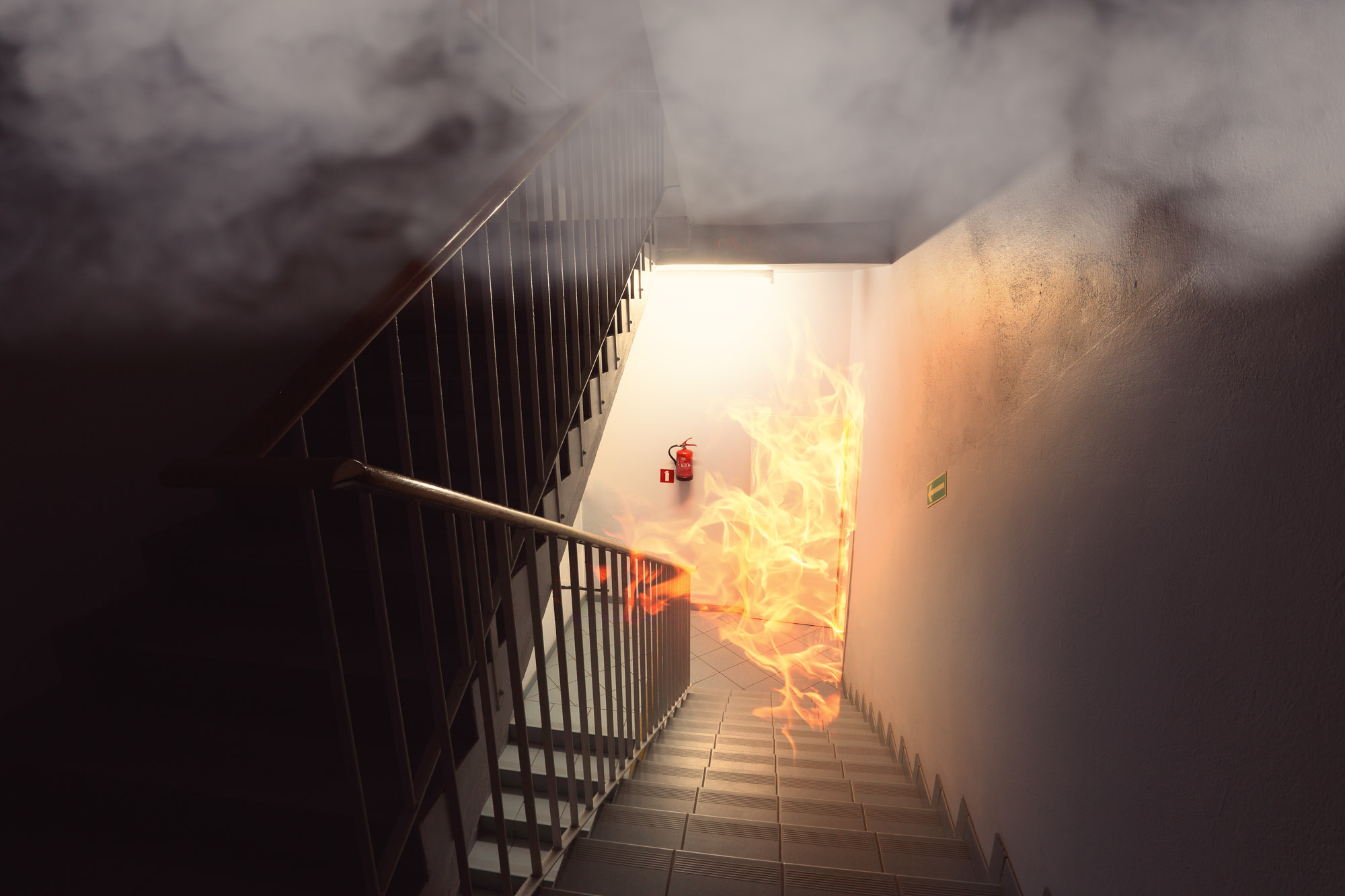
In 2022, a Bronx apartment building fire killed 17 people across 19 floors after residents heard and ignored smoke alarms because they were so used to them being false alarms.

How can we prevent nuisance alarms while maintaining a high threshold for alarm sensitivity?
Background
There’s a good reason why 92% of U.S. homes have smoke alarms — working smoke alarms greatly reduce the possibility of fatalities from a fire. According to the National Fire Protection Association (NFPA), the death rate per 1,000 home structure fires is 60% lower in homes with working smoke alarms when compared to homes with no alarms or nonoperating alarms [1]. But what if the alarm works too well and sounds off in non-critical situations like during cooking or steamy showers? If a smoke alarm sends false alerts, it is possible that people will learn to ignore them, even when the fire threat is real.

There’s a good reason why 92% of U.S. homes have smoke alarms — working smoke alarms greatly reduce the possibility of fatalities from a fire. According to the National Fire Protection Association (NFPA), the death rate per 1,000 home structure fires is 60% lower in homes with working smoke alarms when compared to homes with no alarms or nonoperating alarms 1. But what if the alarm works too well and sounds off in non-critical situations like during cooking or steamy showers? If a smoke alarm sends false alerts, it is possible that people will learn to ignore them, even when the fire threat is real.
Before we look at the statistics and cases in which false alarms led to occupant complacency resulting in injury and death, we need to understand a little more about the mechanisms that allow smoke alarms to function.
Prior to the invention of smoke alarms, heat detectors could warn people of a fire by ringing a bell when a physical bumper between two plates in an electric circuit melted. In the 1930s, a Swiss physicist, Walter Jaeger, noticed that smoke particles could bind to ionized air molecules and change the electric current they were carrying. In the first smoke alarms, radiation emitters such as Radium-226 (radium sulfate) were used as static sources to produce ionized nitrogen and oxygen gases in the detectors, causing a steady flow of charged particles, free electrons and the ionized atoms to separate and move towards oppositely charged electrode plates. A small but consistent current created by ionization is the normal state of these detectors. When heavy smoke particles attach to the ions, it can neutralize them, reducing the total charges reaching the electrode, and setting off the alarm 2. Ionization-type smoke alarms are still used today; however, the radioactive source radium sulfate has been replaced by the alpha emitter americium-241 (Am-241).
In the 1960s and early 1970s, before building codes required smoke alarms, very few homes even had them. At that time, ionization-type smoke detectors and alarms were expensive, specialty equipment 3. Photoelectric detectors were developed in the 1970s and simply rely on smoke particles in the air to scatter infrared, visible, or ultraviolet light being sent and collected within the detector. The alarm will sound if the detector detects a reduction in light intensity. Another photoelectric design involves light scattering on smoke particles to deflect a light beam, casting light onto a sensor where light usually does not fall.
Ionization detectors and photoelectric detectors are both far superior to antiquated thermal detectors, and yet they are better for different scenarios:
- Ionization detectors will signal more quickly in the presence of open flames, also called flaming fires. Flaming fires produce intense heat, light, and thick dark-colored or black smoke, which is comprised of microscopic combustion particles (0.01-0.3 micrometers (µm)). Flaming fires are usually larger fires with readily available fuel, such as gasoline, propane, or other highly flammable materials, and are associated with human activity. Thus, they are more likely to occur during the day when people are awake to cause them.
- Photoelectric detectors are more responsive to smoldering fires in which the material on fire does not produce an open flame but does produce smoke. Sometimes a smoldering fire will turn into a flaming fire when temperatures increase, or a new material ignites. Smoldering fire smoke is made of larger smoke particles (0.3-10.0 µm) and appears as light-colored white or gray smoke. Because smoldering does not involve open flames, some experts suggest that smoldering fires are more deadly at night, when people are more likely to be asleep and less likely to notice them as quickly. Photoelectric detectors are faster at detecting this larger smoke, but can also detect flames, just not as fast as ionization detectors can.
UL 217, The Safety Standard for Smoke Alarms, was first published in 1976 as the first standard for certification of smoke alarm products and was adopted into NFPA 74, the standard for the installation, maintenance, and use of household fire warning equipment and NFPA 72, the National Fire Alarm and Signaling Code in 1978. Since then, various building codes have required smoke detecting alarms on every level of a house (1984) and that they should be interconnected so that if one sounds, they all will, alerting people in far-away sleeping spaces to an emergency in the system (1988).
The rise of photoelectric smoke detectors and alarms continues alongside ionization alarms, with both types, and multi-criteria types, available to consumers. Despite performance differences, the National Fire Protection Agency is not prescriptive about which type of alarm should be used in NFPA 72: The National Fire Alarm and Signaling Code. NFPA 72 encourages but does not require both kinds of detectors, however it does mandate where and how they must be installed, and that they must meet industry testing standards, like UL 217, which tests the performance of both kinds of alarms in multiple environments 4. NFPA 72 introduced its 10-year smoke alarm replacement requirement in the 1999 edition 5. Jurisdictions that adopt NFPA 72 enforce this requirement once they adopt the relevant edition of the code. Household consumers might know that having working smoke alarms in the home cuts the risk of dying in a fire by 55% 3, but they might not know that their choice of detector could influence their use in emergencies.
Question
Who do you think should be responsible for deciding whether residences should have ionization smoke alarms, photoelectric smoke alarms, or both? Should citizens be allowed to choose for themselves?
Problem
Imagine you are reading this as a college student in January, just back from winter break, sleeping in your dorm room, when you hear a fire alarm go off. You are jarred awake but not sure what to do — it’s only 20 degrees outside, and just before the break began, a series of false alarms had annoyed you. Plus, your school reported 18 false alarms since September. Knowing all of this, you wondered whether this was another false alarm or an actual emergency.
This was the terrifying situation encountered by students living in Boland Hall at Seaton Hall University (NJ) in January 2000. Two students ignited a poster in a dorm lounge as a prank which caused a real fire to break out, killing three students and injuring 58.
While the dorm had fire alarms, the occurrence of false alarms in non-emergency situations caused students to become desensitized to the alarm sound. First-year student Vanessa Gomez said, “We didn’t think anything of it at first. [Then] We saw people running outside and people were yelling, ‘It’s real this time’” 6. Recurring false alarms also played a role in the 2022 tragedy in the Bronx, where residents who survived a 19-story building fire reported that they heard the alarms but ignored them. “So many of us were used to hearing that fire alarm go off, it was like second nature to us,” said resident Karen Dejesus 7.
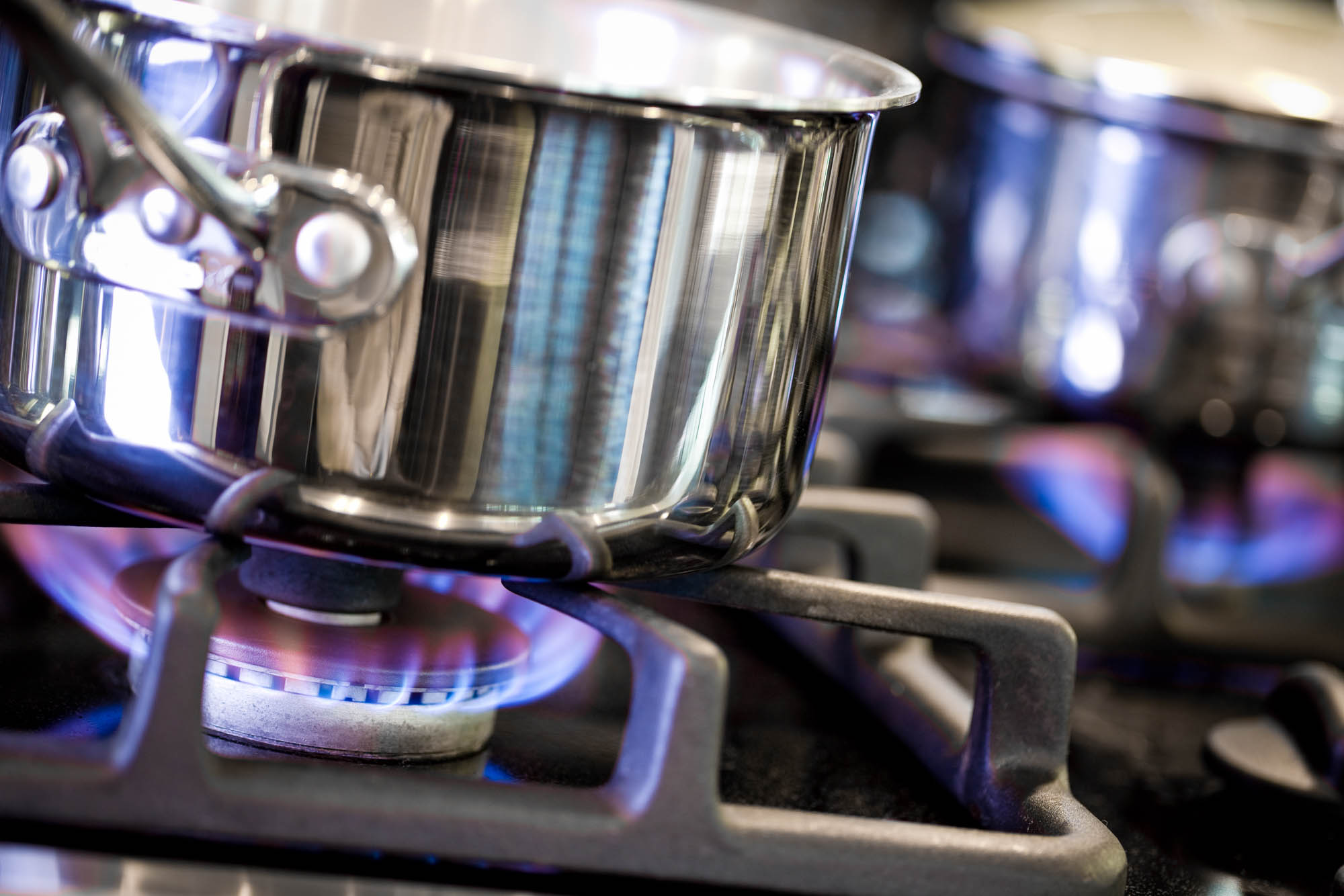
When smoke alarms sound and a threatening fire is not present, occupants like Gomez and Dejesus can learn to ignore the alarms, even when they shouldn’t. Real fires can produce visible as well as invisible smoke particles, gases, heat, radiant energy, and water vapor. We’ve already learned how the two main fire detection technologies, photoelectric and ionization detection, are more sensitive to smoke from smoldering and flaming fires, respectively. But their mechanics are also sensitive to particles that are not caused by fires, such as microscopic smoke from cooking, shower steam, or household dust, which can trigger the detector. Fire professionals call these “nuisance alarms,” and they are a known contributor to occupant alarm complacency called “alarm fatigue.” Not only do occupants learn to ignore nuisance alarms, but they can be so annoying that occupants will disable alarms permanently or even remove them to prevent them from sounding regularly, which can cause deadly consequences. According to the National Fire Protection Association, almost three out of five home fire deaths from 2014 to 2018 were caused by fires in properties without working smoke alarms 1.
Question
Have you done (or witnessed) a prank involving a smoke alarm or fire alarm? What are some unintended consequences of such alarm-related pranks?
Approach
UL Solutions conducted a Smoke Characterization Project in 2006 with the NFPA Fire Protection Research Foundation. This study indicated that older ionization smoke alarms were more likely to trigger nuisance alarms from cooking, steam, or dust. It also noted that more modern manmade synthetic materials, such as, nylon, polyurethane, or polycarbonate, created fires with even smaller smoke particles than ionization or photoelectric smoke alarms can identify.
Data from the study informed recommendations for updates to UL 217. New tests for smoke alarms were proposed that would ensure alarms would trigger if modern, synthetic materials were burning. For example, polyurethane foam is found in furniture products and produces a lot of smoke during smoldering fires. When polyurethane burns in fast growing, flaming fires, it then produces small, hard-to-detect particles. So, the standard’s technical committee, TC 217, debated whether smoke alarms should detect both kinds of smoke, or if separate products should be used in tandem. Additionally, a first-of-its-kind cooking nuisance test was proposed that would limit false alarms caused by everyday, non-threatening activities.
TC 217 utilized a continuous development process to consider potential changes proposed for UL 217. Members of TC 217 include manufacturers and producers of smoke alarms and smoke alarm systems, generally concerned individuals and organizations, the U.S. Coast Guard, various fire departments, jurisdictions, and regulators. The 8th, 9th, and 10th editions of UL 217 were passed in succession. As of 2025, UL 217 is in its 10th edition.
Question
What impact would an update to a safety standard have on the stakeholders involved in the creation and use of smoke alarms, such as industry producers, supply chain, consumers, or government bodies?
Solution
The 10th edition of UL 217, The Standard for Smoke Alarms, was published in November 2024. The standard addresses both standalone and interconnected alarms. These can be ionization alarms, photoelectric alarms, or multiple-criteria alarms, including both ionization and photoelectric. It dovetails with other safety standards in the U.S. and Canada to ensure consistent smoke alarm requirements across North America.
UL 217 specifies the concentrations of various gases and vapors that alarms should detect. Various legacy tests from prior versions of UL 217 remain in the 10th edition:
- Overload tests continue to help ensure the alarm functions in a circuit with voltage over the rated test voltage
- Endurance tests help ensure the alarm will work over 6,000 cycles
- Stability tests help ensure there are no false alarms or loss of function with temperature, humidity, or light fluctuations
- Some alarms include gas sensors, which will detect air contaminants
The current standard deals with nuisance alarms from a variety of sources by setting and testing limits. First, the standard requires that smoke alarms will not be more sensitive than separate specified limits for flame and smoldering (or aerosol buildup) from a variety of fuels in a range of air velocities. (Read the whole standard via free Digital View with site registration at shopulstandards.com.)
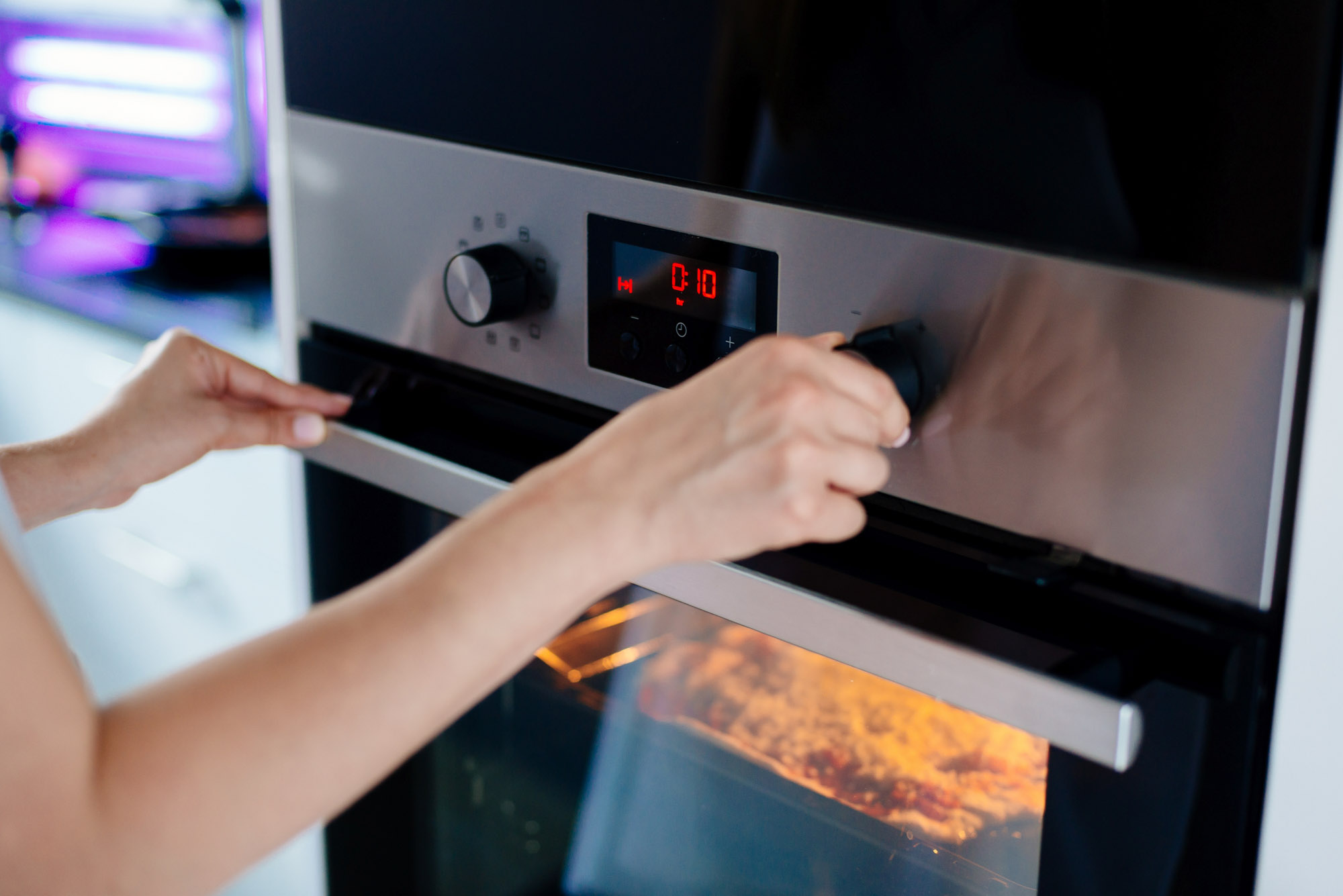
Second, it requires that safety testing includes real cooking scenarios including, for example, a Cooking Nuisance Smoke Test is conducted with fresh frozen hamburger patties broiled in an oven. The standard even specifies the hamburger recipe to help ensure consistency in each test. The oven door is to be left ajar slightly, with full power applied to the broiler. The testing environment must be monitored and in compliance with the standard testing specifications so that the alarm reaction (or lack thereof), indicates compliance with not alarming in a realistic cooking environment.
Third, the standard also specifies that nuisance alarms should not be caused by extraneous radiation or other transmissions caused by electronics, cellular signals, or any motors.
Smoke alarms are meant to be loud, and UL 217 indicates the alarm must be very loud. Tests make sure that the alarm’s volume is 85 dBA at 10 feet away. A-weighted decibel (dBA) is a weighted volume scale calibrated for how loud a sound seems to a human. An 85 dBA sound is sufficient to rouse a hearing person from sleep (an alarm clock is approximately 80 dBA). The need to accommodate people with hearing impairments has led to the development of low-frequency alarms. UL 217 mandates that low-frequency alarms shall output a fundamental frequency of 520 Hz (+/- 10%) and at several other tones.
As a result of the updates to UL 217, smoke alarm producers are creating alarms with multicriteria detection and intelligent algorithms. The overall impact is that their alarms should work better than ever in more fire situations without alarming at everyday activities, allowing people to keep their alarms on and ready for when they need them most in an emergency.
A standard is a critical tool for ensuring global problems are addressed through iterative, collaborative problem-solving.
This is just a small recap, and you are encouraged to view the standard, in full, for free, by creating an account at ShopULStandards.com and using the Digital View feature.
Discussion Questions
- In your opinion, who should bear the costs of updating products to meet new safety standards?
- What other approaches to nuisance alarms can you imagine? What technologies could be repurposed to support consumers to keep their alarms functioning?
- In addition to updating smoke alarms to the most modern and tested standard, what other advice do you have for avoiding nuisance alarms at home?
Glossary
- A-weighted decibel (dBA)
A sound measurement scale that adjusts (weights) loudness to reflect how the human ear actually perceives different frequencies.
- Flaming fires
Fires with visible open flames that produce high heat and very dark gray or black smoke. The smoke particles are typically small (about 0.01–0.3 µm).
- Heat Detector
A device that activates when the temperature becomes abnormally high or rises unusually quickly.
- Hertz (Hz)
The unit of frequency, meaning cycles per second.
- Ionization detectors
Smoke detectors that use a tiny radioactive source to create an ionized air pathway. When smoke enters the chamber, it disrupts the ionic current, triggering the alarm.
- Photoelectric detectors
Smoke detectors that use a tiny radioactive source to create an ionized air pathway. When smoke enters the chamber, it disrupts the ionic current, triggering the alarm.
- Smoke Alarm
A combined smoke detector and audible alarm device designed to sound an alarm within the room or suite in which it is located upon detection of smoke within that room or suite.
- Smoke Detector
A fire detector designed to operate when the concentration of airborne combustion products exceeds a pre-determined level.
- Smoldering fires
Fires that burn slowly without producing visible flames but instead produce large amounts of smoke. Generally, the smoke is light gray or white with larger smoke particles (0.3-10.0 µm) than flaming fire smoke particles.
- Synthetic Materials
Materials made from manmade (synthetic) fibers or chemicals, such as petroleum, coal, or natural gas. Common examples include polymers, such as nylon, polyurethane, or polycarbonate.
References
McGree, T. (2024, June 1). Smoke Alarms in US Home Fires. Nfpa.org. https://www.nfpa.org/education-and-research/research/nfpa-research/fire-statistical-reports/smoke-alarms-in-us-home-fires
National Institute of Standards and Technology. (2025, April 3). How Do Smoke Detectors Work? NIST. https://www.nist.gov/how-do-you-measure-it/how-do-smoke-detectors-work
National Institute of Standards and Technology. (2024, September 20). Driving residential smoke alarm adoption (1970s). NIST. https://www.nist.gov/fire/history/driving-residential-smoke-alarm-adoption-1970s
Devasia, A. (2025, September 17). Commercial Smoke Detector Requirements & Guide (2024). Safe and Sound Security. https://getsafeandsound.com/blog/commercial-smoke-detector-requirements/
Public/Private Fire Safety Council. (2006). HOME SMOKE ALARMS AND OTHER FIRE DETECTION AND ALARM EQUIPMENT Public/Private Fire Safety Council. https://www.iaff.org/wp-content/uploads/White-Paper-Smoke-Alarms.pdf
Goldman, J. (2000, January 20). Three Die in Dormitory Fire at Seton Hall University. Los Angeles Times. https://www.latimes.com/archives/la-xpm-2000-jan-20-mn-55831-story.html
Wermus, K. (2022, January 10). Bronx Building Residents Say Fire Alarm Often Went Off, Ignored Sound Before Deadly Blaze. Newsweek. https://www.newsweek.com/bronx-building-residents-say-fire-alarm-often-went-off-ignored-sound-before-deadly-blaze-1667613