- UL 2849
Regulating the Ride: E-Bike Safety, Certification, and Consumer Protection from Campus to the City
As e-bikes surge in popularity from college campuses to bustling city streets, a hidden risk rides alongside convenience: lithium-ion battery fires. This case study explores the evolution of UL 2849—the safety standard shaping the future of micromobility. What does it take to keep the ride safe?”
Abstract
E-bike use is growing globally, especially in cities, due to their affordability, environmental benefits, and convenience. In the U.S., e-bike sharing and campus use are rising, but infrastructure and policies lag. Asia leads the market in e-bike sales, driven by urbanization and supportive micromobility policies. However, e-bike use in Asia-Pacific countries raises similar concerns about adequate infrastructure, along with the need to apply high-quality, sustainable batteries to reduce risks associated with improper handling—an especially serious issue in densely populated areas experiencing rapid e-bike adoption. Battery-related incidents have occurred on 11% of bicycle-friendly university (BFU) campuses, highlighting gaps in infrastructure, safety education, and policy enforcement for e-bike use. To improve e-bike safety, UL Standards & Engagement developed UL 2849, the Standard for Electrical Systems for eBikes, which helps ensure that the electrical systems for e-bikes are designed, constructed, and tested to reduce fire risks from battery failures. As incidents and legislation increase, the standard continues to evolve through expert collaboration, with recent updates focused on stricter testing and clearer safety requirements.
Learning Objectives
- Understand the scope of e-bike usage in U.S. colleges and in Asia-Pacific countries.
- Apply awareness of key considerations for manufacturing e-bikes in the U.S. and Asia-Pacific countries.
- Identify methods for how to scale up for larger municipalities considering e-bike usage in colleges and universities
- Analyze the tasks one could have based on the roles of individuals participating in a technical committee for UL 2849.
- Evaluate the information and criteria needed to evaluate e-bike designs.


Real-world context
E-Bike usage is increasing all around the world, especially on college campuses and urban areas in the U.S. and Asia-Pacific countries.

But there are risks
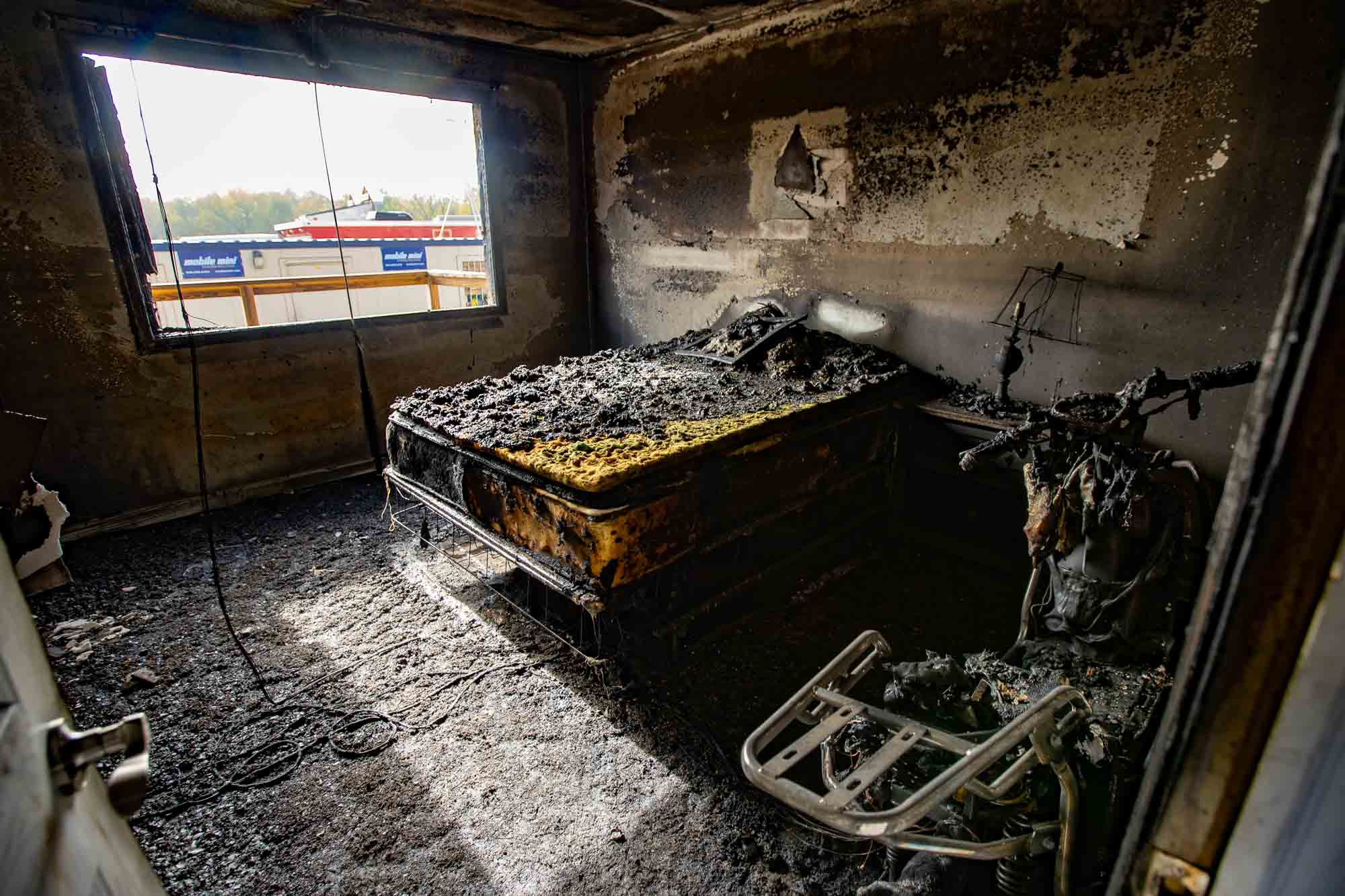
Many lithium-ion battery-related incidents have occurred, highlighting gaps in infrastructure, safety education, and policy enforcement for e-bike use.
For example
Of the bicycle-friendly universities in the U.S., only 13% of them have a designated e-bike parking area and only 11% have an outdoor charging area.

However, even more disheartening is the number of incidents (11%) related to e-bikes reported at the schools.
Background
Across the world, the use of e-bikes is growing exponentially. Because of their economically and environmentally friendly attributes, e-bikes are especially appealing to urban commuters. Many appreciate them as an alternative to fossil–fuel vehicles. Also, e-bike owners tend to value reduced travel time, higher speeds, and reduced exertion compared to traditional bicycles 1. E-bikes are typically powered by lead–acid or lithium–ion batteries. Whereas lead-acid batteries are hearty and robust, tolerant to abuse and lower cost than Li-ion batteries, Li-ion batteries offer several key advantages, including higher energy density, longer lifespan, and faster charging. E-bikes powered by Li-ion batteries can travel farther on a single charge and deliver better overall performance, making them a more appealing option for consumers seeking efficient and dependable urban transportation 2.
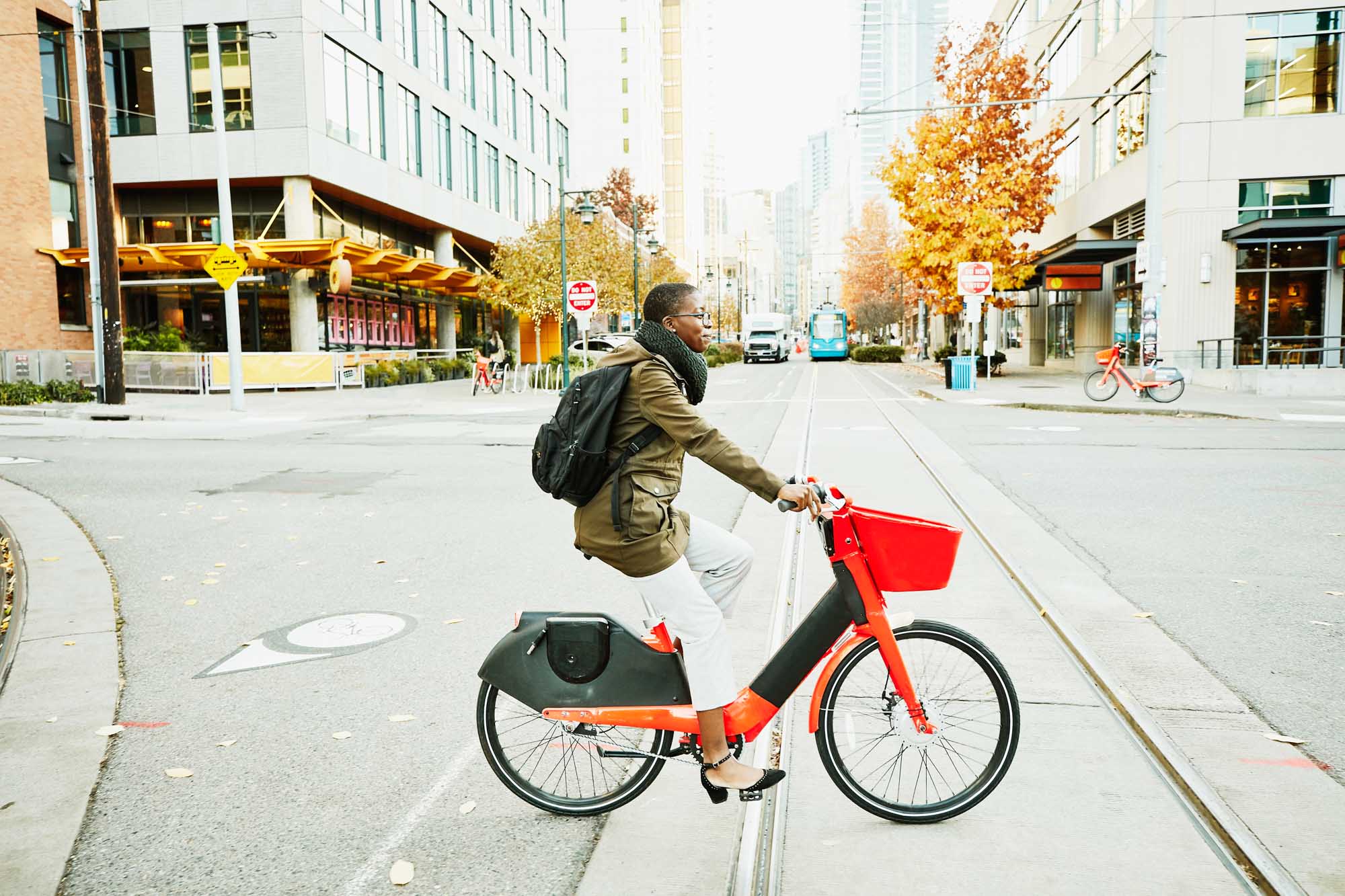
The number of e-bike docking stations has quadrupled since 2015 3 making e-bike–sharing services a popular means of transit for gig workers, students, and tourists. On bicycle-friendly universities (BFUs) and colleges across the country, e-bike use has also become increasingly common. Almost 40% of BFUs report the presence of e-bikes on campus, according to a UL Standards & Engagement (ULSE) study 4. Yet, many lack the infrastructure to safely accommodate them. Only 13% of BFUs have a designated e-bike parking area, and only 11% have an outdoor charging area, as opposed to the approximately 80% of BFUs that have traditional bike parking areas. Furthermore, just 41% of BFUs have implemented e-bike policies addressing e-bike storage, parking, charging, and registration 4.
While e-bikes are on the rise in the U.S., e-bike usage in the U.S. significantly lags e-bike usage in the Asia-Pacific region. Asia-Pacific, with China and India at the forefront, dominates the global market and outpaces predicted sales for e-bikes in multiple markets 5, 6. Rapid urbanization, city expansion, environmental sustainability, and worsening traffic congestion have driven the growth of this market, making e-bikes a popular alternative to traditional scooters and cars with greater flexibility. In addition, several Asian countries have implemented policies to promote e-mobility 2. Moreover, some countries including China have slowly attempted to regulate e-bike use based on government standards 7.
Question
E-bikes are very popular in Asia-Pacific for various reasons. Knowing what contributes to their success, what might you recommend to manufacturers who want to make their bikes more appealing for U.S. consumers? Are there components or qualities of e-bikes that you think would work better or worse in the U.S., as compared to Asia-Pacific?
Problem
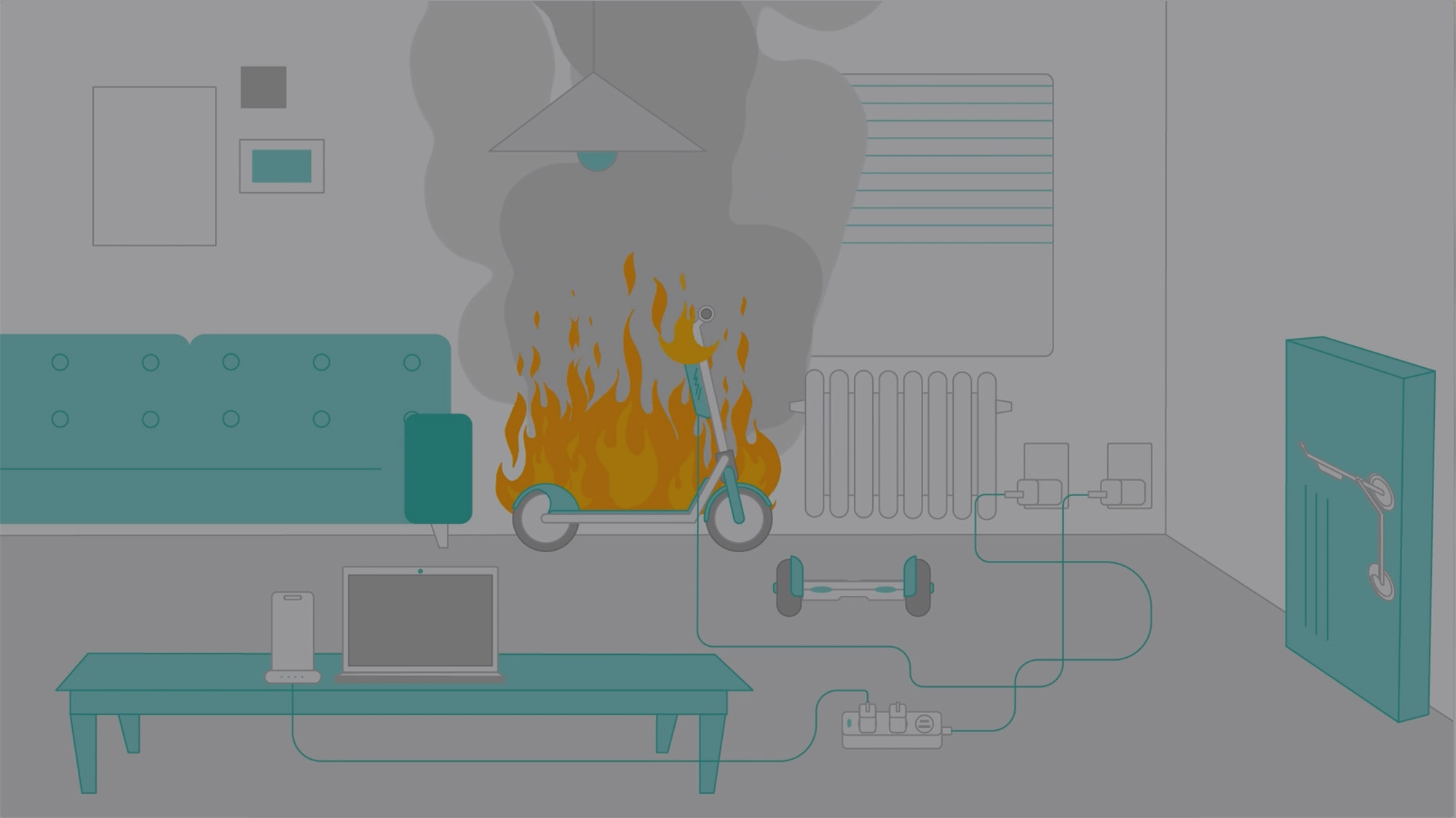
One of the most critical safety issues with e-bikes is preventing thermal runaway in the lithium-ion batteries that power them. Thermal runaway is an uncontrollable, self-heating state that can lead to fire, toxic gas release, and even explosion. This can happen when Li-ion batteries are damaged when subjected to impact, vibration, overcharging, using the wrong charger, or having reached the end of their life cycle.
In another recent study, ULSE found that 50% of consumers admit they know nothing about lithium-ion batteries and their associated risk of thermal runaway 8. Additionally, approximately 11% of Bicycle Friendly Universities (BFUs) have reported documented Li-ion battery-related incidents 4. While that may seem like a small percentage, the severity of these incidents make it a serious concern. To reduce risk, campuses and consumers should prioritize safe charging practices to avoid overcharging. This can include only using compatible chargers, not blocking exits while charging indoors, never leaving a charging bike unattended, not charging overnight while sleeping, having any battery damage inspected for safety, and ensuring that charging facilities are designed to handle the current draw on the circuitry.
College campuses vary in how they implement guidelines for safe e-bike usage, support, and regulation. Common issues include:
- Inadequate e-bike parking, which can lead to bikes being stored indoors
- Insufficient charging infrastructure for safe, convenient charging circuitry
- Inadequate safety education for students, faculty, and staff
- Gaps in safety measures to mitigate risks linked to lithium-ion battery incidents
In addition to these issues, one of the most prominent risks both on campus and elsewhere, comes from using replacement batteries that do not conform to manufacturer standards. Replacing batteries is necessary, and nearly half (48%) of e-bike owners have replaced old batteries 9. However, using cheaper, subpar batteries can significantly increase the chances of thermal runaway 10.
Despite the safety concerns discussed above, the low weight and high energy storage capacity makes Li-ion powered e-bikes an ideal choice for quick travel. Yet, safety issues are global, and they are magnified for countries in Asia-Pacific, where the use of e-bikes is growing exponentially. Regardless of their popularity, rechargeable vehicles are limited by an inadequate charging infrastructure in the U.S. and in Asia 2. In Asia-Pacific, where e-bike use is growing rapidly, fires linked to lithium-ion batteries are more common due to high population density, heavy reliance on e-mobility, and inadequate charging infrastructure 2, 11, 10, 12. Regulation and ensuring that electrical systems are certified to ULSE standards can help mitigate risks, whether in the U.S., in Asia – Pacific, or beyond.
Question
E-bikes are commonly used across the United States. Given the infrastructure needed for safe bike use and the potential problems described in the narrative, what must other countries consider to scale up e-bike use and have a significant impact on commerce and transportation?
Approach
To address safety concerns with electrical systems in e-bikes, UL Solutions initiated an Outline of Investigation with UL Standards & Engagement to develop the standard, UL 2849, Electrical Systems for e-bikes. In order to be certified to this standard, an e-bike must have an electrical system that is designed and manufactured to withstand demanding conditions such as high ambient temperatures, water exposure, and vibration, without presenting high risk of thermal runaway. Testing the standard helps to evaluate an e-bike’s ability to resist these conditions, along with abnormal use and foreseeable misuse, such as mechanical shock from a drop or fall, or overcharging due to a fault in the charging control circuitry.
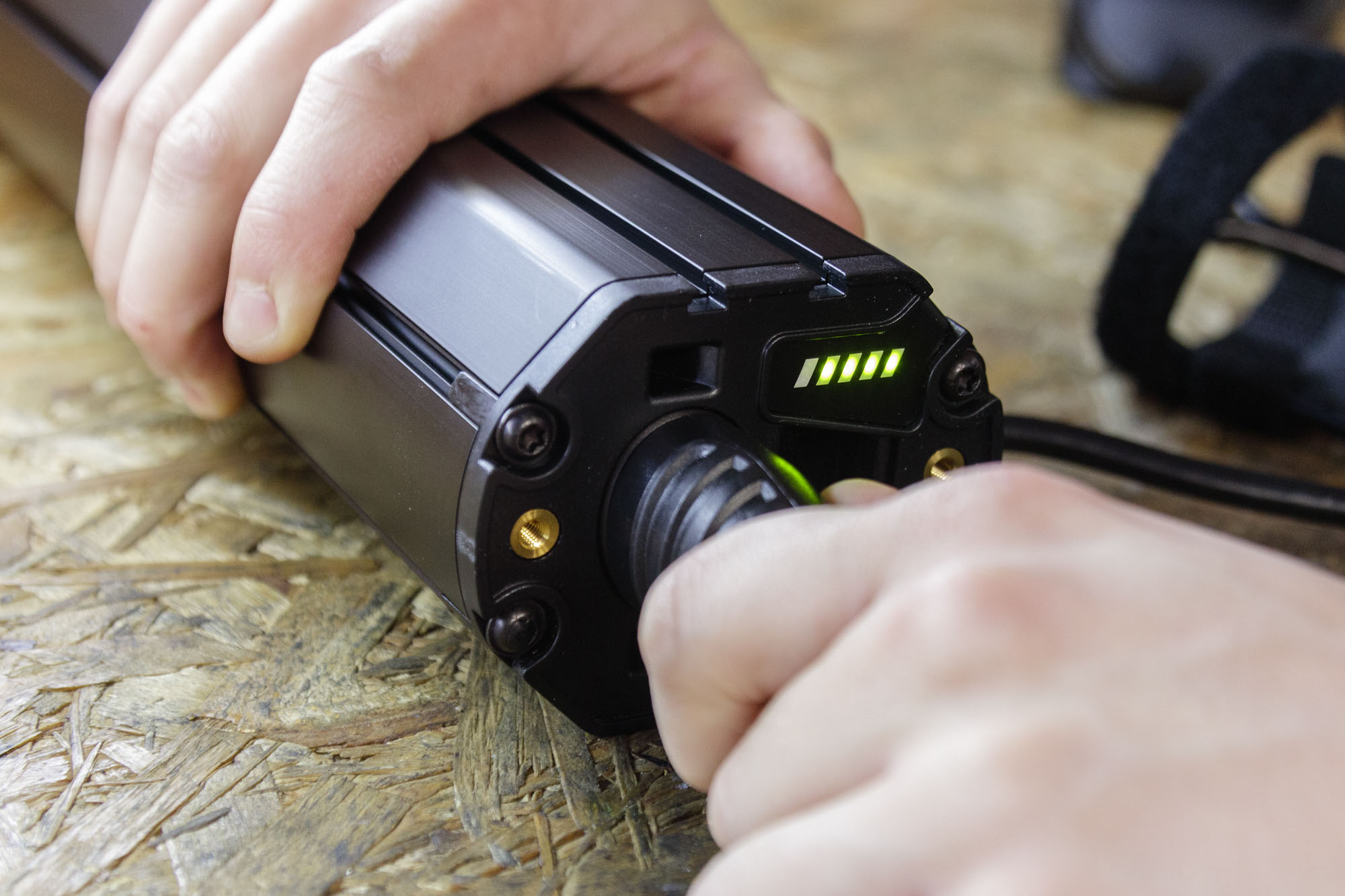
Members of the technical committee (TC) for UL 2849 include representatives from UL Solutions, ULSE, a variety of regulatory and professional organizations, and businesses with a vested interest in e-bike manufacturing, including manufacturers and companies that support the e-bike supply chain. ULSE works to maintain a balance of professional expertise on its TCs to help ensure consensus and to prevent any one group from having a majority representation.
Some standards are developed after a safety issue is widely acknowledged. For example, UL 2271, the standard for Batteries for Use in Light Electric Vehicle (LEV) Applications and 2272, the standard for Electrical Systems for Personal E-Mobility Devices, were initiated after deadly fires that gained national attention. However, the first edition of UL 2849 was published in January 2020, even though e-bike fires were not as prevalent in the news as hoverboard and e-scooter fires. And although e-bike fires were not the impetus, many consumers have benefited from the proactive measures and use of the standard in manufacturing. Development of the standard is ongoing. The technical committee has convened at least three times, with the last occurrence in 2021, and revisions published in December 2022. But more recently, in 2023, a task group was created to strengthen the requirements of the standard due to several e-bike fire incidents and the passing of new legislation in New York City. Based on these details, and to keep up with evolving e-bike technology, ULSE is currently in the process of preparing a ballot cycle to update UL 2849. Approximately, 15 recent proposals were prepared to address changes to the standard, and included modifications such as the following:
- Performing tests on safety issues such as a single cell failure design tolerance
- Revising and clarifying current criteria for the overcurrent protective device acceptance, pedal cessation, cutoff at maximum speed, charger input and insulation tests
- Revising and clarifying safety requirements on battery approval, battery compartment, motors in hazardous voltage, charger, and temperature limitation
- Adding reference to previous relevant standards such as UL 4900, the Standard for Micromobility Charging Equipment
An updated edition to the standard will be published at the completion of the ballot cycle when members of the technical committee weigh in and share their expertise concerning the proposed additions after a preliminary review, modifications, and recirculation.
Question
A diverse representation of occupational perspectives is needed to serve on any ULSE technical committee. These individuals are responsible for providing meaningful input and recommendations for the safety and use of various consumer products. If you were to serve as a stakeholder on a committee for UL 2849, the Standard for Electrical Systems for E-Bikes, what could be your hypothetical professional role and what input could you add to the group discussions?
Solution
E-Bike safety is a major concern for cities across the country. As a result, ULSE provides resources to help inform and support government and community leaders as they develop policies for safe e-bike use. In New York City, Li-ion battery fires caused devastating life and property loss which prompted the City to pass a law (Local Law 39) requiring that all e-mobility devices, batteries, and related equipment sold or leased in the city must be certified to the relevant ULSE standards. Since the law took effect, deaths and injuries from e-bike fires decreased 13, from 69% of all lithium-ion battery fires occurring in buildings in 2023, to 51% in 2024 14.

Nationally, the National Bicycle Dealers Association advises all vendors and suppliers to sell UL 2849-certified e-bikes 15, and the Occupational Safety and Health Administration (OSHA) adopted UL 2849 for micromobility and e-bikes in the workplace under the National Recognized Testing Laboratory (NRTL) 15. Federal support and protections are potentially close through the Setting Consumer Standards for Lithium-Ion Batteries Act (S.389 H.R.973) — bipartisan legislation that would mandate consumer safety standards for Li-ion batteries used in e-mobility devices and ensure uncertified e-mobility batteries are off the market and out of homes 13. This legislation has the potential to reduce fires caused by non-UL certified batteries and maintain consumer access to e-bikes. Other cities with policies concerning lithium-ion batteries and e-mobility engagement with UL 2849 include San Francisco, Chicago, Jersey City, Hoboken, Camden, Atlanta, Boston, Denver, Washington, and La Mes.
As e-bikes continue to rise in popularity, additional care will need to be taken near and far. For example, some replacement batteries and replacement chargers used with e-bikes can pose an additional risk of thermal runaway because they may not be certified to standards or compatible with the original battery. Consumers should always use manufacturer-approved replacement batteries, chargers, adapters, and accessories to prevent this risk, and retailers should practice due diligence in only stocking and selling equipment that is certified and manufacturer approved. Policymakers can also look to NYC as a model and propose similar legislation to help protect citizens from the hazards of non-certified e-bikes and components.
Lastly, ULSE’s Global Standards Team works to see standards adopted globally. Currently, UL 2849 is influencing global markets, especially in Asia-Pacific where some countries are working to regulate e-bike safety.
Discussion Questions
- As a graduate exchange student at a college in Singapore, design a presentation to develop a campaign for K–12 students about the awareness and dangers of e-bike use.
- You are a business owner with branches in Taiwan. Your business relies on e-bikes to make deliveries throughout the city. What criteria would you consider to ensure you select the best bikes for your service?
- You are a social media influencer tasked with encouraging proper e-bike usage. What key things do you make sure you emphasize?
A standard is a critical tool for ensuring global problems are addressed through iterative, collaborative problem-solving.
This is just a small recap, and you are encouraged to view the standard, in full, for free, by creating an account at ShopULStandards.com and using the Digital View feature.
How to get involved
Share your expertise
UL Standards & Engagement is actively seeking all interested parties to participate in its standards development process and encourages diverse perspectives to join in by participating as a stakeholder. Stakeholders can submit, review, and comment on proposals for new standards or revisions to existing standards. While stakeholders do not vote, the TC considers their input during the standards voting process. Since standards affect everyone, all are welcome to participate as stakeholders. Register online through ULSE’s Collaborative Standards Development System.
Advance your career
Check out current internship and fellowship openings for opportunities to engage with standards professionals and to contribute to standards research and innovation.
Glossary
- Thermal runaway
One of the primary risks related to lithium-ion batteries; a phenomenon in which the lithium-ion cell enters an uncontrollable, self-heating state. Thermal runaway can result in the following: ejection of gas, shrapnel and/or particulates (violent cell venting); extremely high temperatures; smoke; and fire.
- Bicycle Friendly Universities (BFUs) (BFU)
“Institutions of higher education recognized by LAB for promoting and providing a more bikeable campus for students, staff, and visitors”4
- Overcharging
Charging a device until “the voltage has reached 110% of the maximum specified voltage limit” 17
References
Olayode, I. O., Jamei, E., & Alex, F. J. (2025). Integration of e-bikes in public transportation based on their impact, importance, and challenges: A Systematic Review. Multimodal Transportation, 4(1), 100182.
Grand View Research. (2025). APAC E-bikes Market Size, Share & Trends Analysis Report By Propulsion Type (Pedal Assisted, Throttle Assisted), By Battery Type, By Power, By Application (Trekking, Cargo), By Country, And Segment Forecasts, 2025 – 2030. Grand View Research Market Analysis Report. https://www.grandviewresearch.com/industry-analysis/asia-pacific-e-bikes-market-report
Bureau of Transportation Statistics. (2024, August 1). Cycling and scooting through the years. Newsroom. https://www.bts.gov/newsroom/cycling-and-scooting-through-years
UL Standards & Engagement & the League of American Bicyclists. (2025, March). E-Bikes on College & University Campuses. https://ulse.org/wp-content/uploads/2025/05/E-Bikes_on_College__University_Campuses.pdf
Sharma, N. (2023, June 9). E-bike penetration jumps in India by nearly 40%. Quartz. https://qz.com/e-bike-penetration-jumps-in-india-by-nearly-40-1850522067
eBicyles (2025). E-Bike Facts & Statistics for 2025. https://www.ebicycles.com/ebike-facts-statistics/
Wei, D., Yang, J., Powels, B., Zheng, X., Ozanne-Smith, J., Bilston, L., & Wu, M. (2013). Understanding on-road practices of electric bike riders: An observational study in a developed city of China. Accident Analysis & Prevention, 59, 319 – 326. https://doi.org/10.1016/j.aap.2013.06.011
UL Standards and Engagement. (2025). Lithium-Ion Battery Incidents in Aviation: 2024 Data Review. https://ulse.org/wp-content/uploads/2025/06/TRIP-Report-May-2025-Final.pdf
UL Standards and Engagement. (2024). New report: How e-bike awareness gaps and behavior increase battery fire risks. UL Standards and Engagement: Press Release. https://ulse.org/news/news-new-report-how-e-bike-awareness-gaps-and-behavior-increase-battery-fire-risks/
Qitong, H. (2023, August 31). Why China’s e-bike market is facing a wave of battery fires. Sixth Tone: News. https://www.sixthtone.com/news/1013638
Li, L., Liu, B., Zheng, W., Wu, X., Song, L., & Dong, W. (2022). Investigation and numerical reconstruction of a full-scale electric bicycle fire experiment in high-rise residential building. Case Studies in Thermal Engineering, 37, 102304.
Vashist, D., Pandey, S., Panwar, S., & Nagar, J. (2023). Analysis of Battery Fire Safety in Electric Vehicles: A Case Study in Indian Context. https://doi.org/10.4271/2023-28-0024
Marootian, J. (2025, May 13). E-bike riders wrongly assume they’re protected – The Senate can change that. UL Standards and Engagement: Expert Perspectives. https://ulse.org/insight/news-e-bike-riders-wrongly-assume-theyre-protected-senate-can-change/
Hu, W. (2024, October 3). Why deaths from e-bike fires are declining in New York City. The New York Times. https://www.nytimes.com/2024/10/03/nyregion/e-bike-lithium-battery-fires-safety-nyc.html
UL Solutions. (2025). E-Bikes certification: Evaluating and testing to UL 2849. UL Solutions: Service. https://www.ul.com/services/e-bikes-certificationevaluating-and-testing-ul-2849
UL Research Institutes. (2021, August 24). What is thermal runaway? https://ul.org/research-updates/what-is-thermal-runaway/
UL Standards and Engagement. (2023, Sept. 14). ULSE Standards to support e-mobility device safety. https://ulse.org/insight/news-ulse-standards-support-e-mobility-device-safety/